





Designing applications for the management of associations, community initiatives, and volunteer services

How do digital applications contribute to organizing volunteer participation and distributing field tasks?
Successful community initiatives rely on volunteers who are eager to help and participate in various activities. However, organizing such participation requires a clear mechanism to define tasks, assign responsibilities, and monitor progress—all while ensuring that individual efforts do not overlap or conflict. This is where specialized applications for managing volunteer services become essential. They transform registration and coordination processes into a seamless digital experience, bringing all participants together on a single platform. Volunteers can create accounts detailing their basic information, skills, experience, and areas of interest. Organization managers can then use this data to select the right individuals for each initiative, based on the nature of the activities and specific requirements. Furthermore, the platform allows for the creation of distinct volunteer opportunities, each including a task description, location, scheduled time, the number of participants needed, and any specific criteria for joining.

Developing Applications for Community Initiatives: Managing Development Projects and Tracking Outcomes
Community initiatives aimed at developing neighborhoods and residential areas require an administrative system to help them transition from the brainstorming phase to project execution and outcome monitoring in an organized manner. The success of an initiative depends not only on enthusiasm and a desire for change, but also on the organizers' ability to define goals, assign roles, oversee implementation stages, and address challenges that arise along the way. A custom-designed application can provide a digital environment that consolidates details of community projects, allowing management to register each initiative based on its type, location, target beneficiaries, and expected outcomes. Projects can be broken down into multiple phases, with each phase encompassing specific tasks, responsibilities, and deadlines. This approach makes it easy to track completed work, ongoing tasks, and activities that require administrative intervention. Organizers can attach photos, field updates, and notes to each phase, ensuring that all relevant information is accessible within the project file. Furthermore, team members can stay updated on progress without the need for manual report exchanges or searching for information across various disparate sources.
The Role of Non-Profit Organization Applications in Ensuring Transparency and Managing Donations and Community Contributions
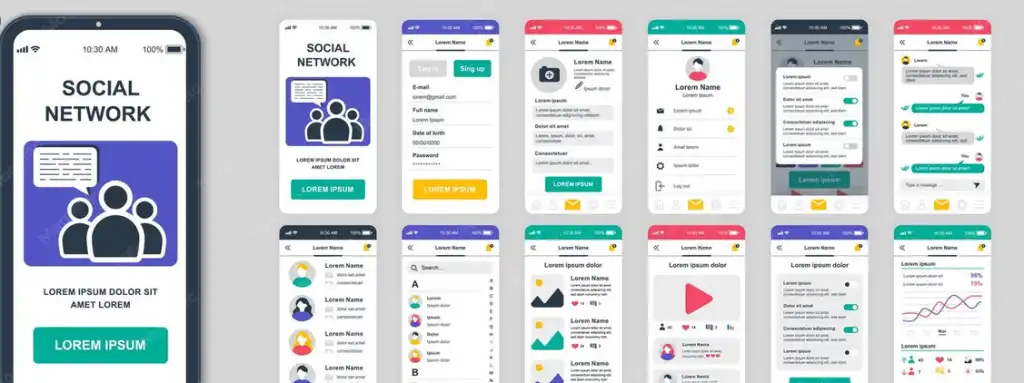
Trust is a cornerstone for non-profit organizations and community institutions, enabling them to sustain their activities and expand the reach of their humanitarian programs. Consequently, it has become essential to implement digital tools that help organize donations, document contributions, and provide clarity on how available resources are managed. A dedicated application for an organization can offer a comprehensive experience, allowing donors to explore initiatives and projects in need of support, understand the objectives of each project, identify the beneficiaries, and learn about the specific needs being addressed. Furthermore, the application can display funding targets alongside the amounts raised to date—based on data verified and regularly updated by the organization—thereby providing users with a clear understanding of the funding progress for various initiatives. The application can also integrate convenient electronic payment methods, facilitating seamless contributions while recording the transaction details within the user’s account.

Designing community services applications to facilitate requesting aid and following up on humanitarian cases
Associations that provide social and humanitarian services face the challenge of receiving different numbers of requests for assistance and dealing with needs that are not similar in terms of their nature, degree of urgency, or requirements for their implementation. Relying on paper forms and scattered communications may lead to difficulty following up on cases or delaying the review of some requests. Therefore, the digital application can represent an effective means of organizing the service provision cycle from the moment the beneficiary submits his request until the completion of providing the required assistance. The user can enter the application, learn about the available services, and choose the type of assistance he needs through a form designed in a simple and clear way, and it can include: The form provides basic data, information related to the case, and the necessary attachments that help the association’s team understand the request. After sending, the beneficiary receives a reference number that allows him to return to the application and follow the developments of the transaction without the need to repeatedly communicate with employees. In return, the administration receives requests within an organized control panel that displays the details of each case, the date of its submission, and the stage it has reached. Requests can be distributed to specialized employees according to the type of service, geographical area, or nature of administrative responsibilities. Sequential review stages can also be added that begin with receiving the request, then verifying the data, studying the need, making the decision, and determining the mechanism for providing the service. This organization helps To clarify responsibilities and reduce the possibility of lost requests between different departments, automatic notifications can be sent to the beneficiary when an additional document is needed or when the status of the request changes or an appointment is set to obtain the service. The administration can also create follow-up files for cases that need continuous support so that the services provided and updates related to their needs are recorded. The reports contribute to knowing the most requested types of assistance and the periods during which the volume of needs increases, which helps the association to develop its programs and distribute its capabilities based on factual information. It is important to design easy interfaces that suit different age groups and levels of digital experience, taking into account protection. Personal data and organizing employee powers. With these capabilities, the application turns into an integrated system that helps the association provide its services more quickly and regularly, and gives the beneficiary a clear experience that saves his time and makes him more able to follow up on his needs.