








Designing applications for renting out equipment and tools, and transforming underutilized assets into sources of income.

How do digital platforms help connect equipment owners with those looking to rent?
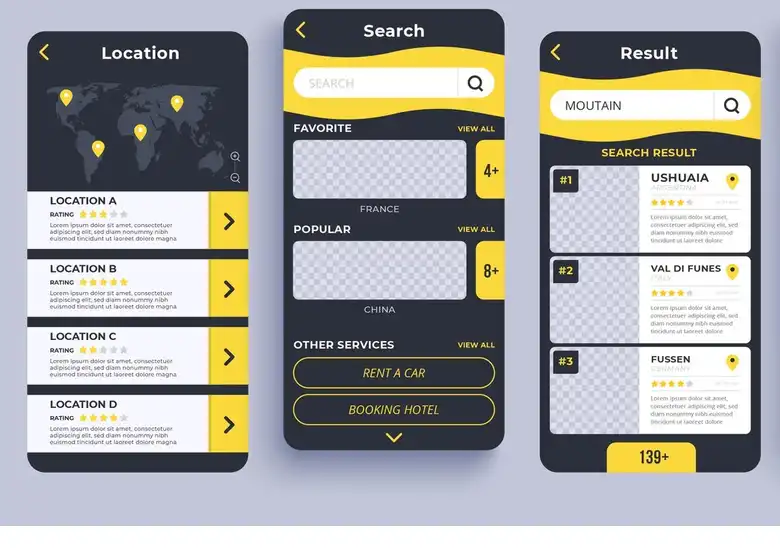
Many companies and individuals struggle to access the right equipment when they need to carry out a temporary project or complete a task requiring specialized tools. Meanwhile, some suppliers and business owners possess equipment that is not in constant use. This creates an opportunity for a digital application that brings both parties together within an organized online marketplace, streamlining the processes of searching, communicating, and booking. The success of an equipment rental application relies on providing an extensive database covering various types of assets—such as construction machinery, industrial tools, maintenance equipment, generators, cranes, agricultural machinery, and workshop tools. These items can be categorized into clear sections, helping users find what they need without wasting time on aimless searching. Equipment owners can create dedicated accounts to list the assets they wish to rent out, including specifications, photographs, pricing, and location details. Customers can use filters to select equipment that aligns with their project requirements, budget, and desired rental duration. A geolocation feature can also be integrated to display equipment near the user, thereby reducing transportation costs. Furthermore, the platform can provide information regarding the condition of the equipment, its year of manufacture, operational capacity, and usage requirements. A detailed product page helps clarify all terms and conditions before a booking request is submitted, which minimizes the potential for disputes between the parties. Users can send inquiries directly to owners via an in-app messaging system, while equipment owners can review incoming requests and either approve or decline them based on their availability schedule. The control panel provides data that helps management monitor the quality of listings and verify essential information regarding the equipment being offered. A rating system can also be integrated, reflecting the experiences of previous customers and enabling new users to make more confident decisions. This structure helps transform the equipment rental market from a collection of sporadic, individual transactions into a more transparent and accessible digital platform. Consequently, the application serves as an effective tool for expanding rental opportunities, fostering mutual benefit for both asset owners and renters.

Managing Equipment Bookings and Appointments via an Integrated Online Rental System
Equipment and tool rental operations require precise scheduling, as a single piece of equipment may be requested by multiple clients within overlapping timeframes. Furthermore, the duration of use varies by project—ranging from a few hours to several days or even months. Consequently, the application must feature an intelligent booking system that manages availability, prevents scheduling conflicts, and streamlines the tracking of rental transactions. Equipment owners can define a schedule specifying when an item is available for use, while also blocking out periods when the equipment is reserved for internal operations or maintenance. Clients can select start and end dates, with the application automatically calculating the total cost based on the chosen duration and the established pricing policy. Flexible rental options—by the hour, day, week, or month—can be offered depending on the type of asset. This versatility supports a wide range of sectors, including construction, maintenance, agriculture, event management, and industrial projects. For assets requiring prior authorization, booking requests can be routed to the owner for review before final confirmation. Users can track the status of their requests—whether they are under review, approved, or declined. The system may also include a feature for modifying bookings, governed by clear terms that protect the interests of both parties. Additionally, the system can send automated reminders ahead of equipment pickup and return dates. Handover and return processes can be documented digitally, including a record of the equipment’s condition at both the start and end of the rental period. Management can also monitor all bookings via a dashboard that displays current, upcoming, and completed appointments. Reports help identify periods of high demand for specific equipment, and this information can be used to optimize availability and pricing policies. A clear booking system reduces the need for manual communication and minimizes errors resulting from disorganized record-keeping. Consequently, the application provides a more professional experience, simplifying the rental process for both equipment owners and clients, while helping to increase asset utilization rates.
Flexible Pricing in Tool and Equipment Rental Apps to Maximize Return on Investment
Setting rental prices is a critical factor in the success of platforms specializing in equipment rentals. Because the value of use varies based on the type of equipment, its condition, its original purchase price, the rental duration, and costs related to transport and maintenance, the application must offer a flexible pricing system. This allows asset owners to set rates that align with the nature of their equipment and current market conditions. Various rental pricing models can be implemented—such as hourly, daily, weekly, or monthly rates—with the option to offer lower rates for longer rental periods. This feature helps attract customers who need equipment for extended durations, providing a cost-effective alternative to direct purchase. Furthermore, pricing can be adjusted based on seasonal demand or specific periods when market need for certain equipment peaks. Additional fees for transport, delivery, or setup can also be applied when the equipment requires extra services from the owner. Additionally, a refundable security deposit can be set to ensure compliance with terms of use and the return of the asset in the agreed-upon condition. The application can automatically calculate the final cost before a booking is confirmed, ensuring the customer is fully aware of all expenses. Special offers can also be provided to repeat customers or businesses that book multiple items simultaneously. A dashboard enables equipment owners to compare revenue generated across different rental periods and assess the financial viability of each asset. Reports can also be generated to track operational days, periods of inactivity, and total income earned over the course of a month. This information helps identify equipment that requires repricing or a change in how it is presented to attract more customers. The platform can also calculate a specific commission on each rental transaction, in accordance with its established business model. Transparent pricing and fees help minimize disputes and enhance user trust. When the pricing system is designed with flexibility and careful consideration, the application becomes a tool that boosts returns on assets, striking a balance between the customers' ability to rent and the interests of the equipment owners.

Construction Equipment Rental Applications and Their Role in Reducing Project Costs
Construction companies, contractors, and project owners often require a wide variety of equipment, which changes depending on the project phase and the scale of work involved. Purchasing all this equipment can impose a significant financial burden—especially when it is only needed for a temporary project or a specific stage of construction. Consequently, specialized mobile applications for renting construction equipment have emerged as a practical solution, allowing users to access the necessary machinery without the costs associated with ownership and year-round maintenance. Such applications can feature a broad range of equipment, including excavators, lifting machinery, loaders, concrete mixers, compactors, scaffolding, generators, power tools, and other essential construction site gear. Users can search for equipment based on operational capacity, location, technical condition, and the required rental duration. The platforms also provide detailed specifications, helping project managers select the equipment best suited to the specific tasks at hand. Where necessary for informed decision-making, information regarding load capacity, operating heights, fuel consumption, and specific operational requirements can also be included. Furthermore, users can opt to hire equipment along with a qualified operator—an essential feature for machinery that requires technical expertise or specific professional licenses. Additionally, the applications allow for the designation of delivery locations within the project site and the scheduling of equipment arrival times to align with the project’s execution timeline.