



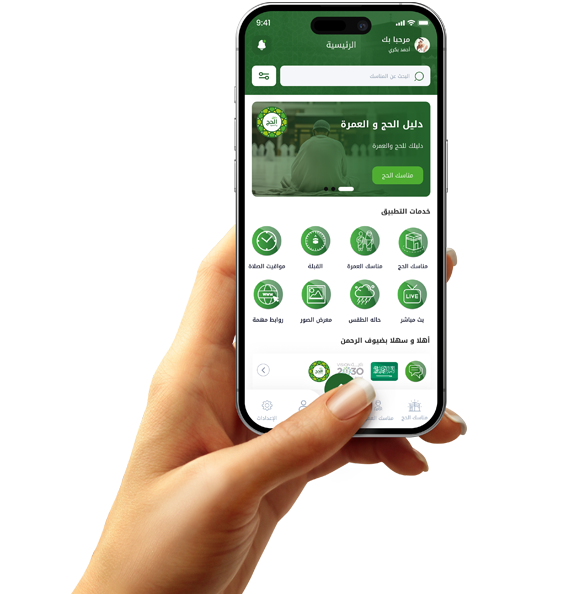




A comparison between off-the-shelf applications and applications specifically designed for your project needs
Development flexibility is the biggest difference between off-the-shelf and custom applications.
One of the most important advantages that makes custom applications superior to off-the-shelf applications is the great flexibility they offer during development and updates. Off-the-shelf applications often rely on a fixed architecture that allows only limited modifications, while custom applications are built according to project requirements from the outset. This gives the company the ability to add any new feature or modify the workflow as its needs evolve. The application is also easily integrated with accounting systems, inventory management systems, payment gateways, or various marketing tools without encountering technical limitations. Furthermore, development flexibility helps keep pace with market changes quickly and offer new services to customers without having to replace the entire application. Therefore, companies planning for continuous growth find that investing in a custom application provides greater long-term value compared to relying on off-the-shelf solutions that may become inadequate after a short period of operation.

Initial cost isn't the only criterion for choosing an application type.
Some entrepreneurs believe that the lower cost of off-the-shelf applications makes them the best option. However, focusing solely on the initial cost can lead to poor long-term decisions. A pre-made application may later require modifications or additions that aren't easily implemented, forcing the company to develop a completely new application after some time. A custom application, on the other hand, requires a larger initial investment but offers a flexible technical architecture that reduces future change and development costs. It also gives the project the opportunity to grow without facing technical limitations that hinder expansion. Furthermore, a custom application helps improve the user experience and increase the efficiency of internal processes, ultimately resulting in a better return on investment. Therefore, evaluating the cost of an application should encompass its entire lifecycle, not just the initial development cost.

A custom app professionally reflects your project's identity.
All companies strive to build a distinctive identity that sets them apart from the competition. A custom app is one of the most important tools for achieving this goal, as it is designed entirely to align with the brand's personality, mission, and service delivery style. Users can choose the interface design, colors, fonts, and product presentation to reflect the project's identity and provide customers with a consistent user experience. In contrast, pre-made apps often rely on generic templates that may resemble other apps, diminishing the project's uniqueness in the eyes of customers. A custom app also allows for the addition of unique features that precisely meet the business's needs and offer services difficult to implement in pre-made apps. Furthermore, it gives the company the freedom to develop future projects according to its plans without being restricted by limited resources. Therefore, investing in a custom app is not just about the technical aspect; it's an investment in building a professional image that enhances customer trust and supports the project's long-term success.

Off-the-shelf apps are suitable for some projects, but they aren't a permanent solution.
Off-the-shelf apps might be a suitable option for some startups looking to launch their services quickly and with a limited budget. However, this option isn't always the best choice as the business expands and the number of customers increases. Project needs constantly change, and new requirements emerge that an off-the-shelf app might not be able to meet. These requirements include adding advanced loyalty programs, integrating the app with accounting software, creating customized reports, or developing a control panel that suits the company's specific operations. At this stage, technical limitations begin to appear, and modifying the app becomes more difficult. A customized app, on the other hand, provides a flexible environment that allows for the addition of any future features without affecting system stability. It also gives the company the freedom to develop in line with its expansion plans. Therefore, off-the-shelf apps might be a good starting point for some small projects, but they aren't always the ideal solution for companies aspiring to build a sustainable, scalable, and continuously developing business.