








Professional programming protects your investment before it protects your application.

Strong programming today means lower expenses in the future.
Every decision made during the application development phase has a long-term impact on the entire project. Therefore, relying on a team with sufficient experience in writing, organizing, and professionally building the software architecture helps reduce future expenses that typically result from accumulated errors or poor execution quality. When the software architecture is sound, developing new features becomes easy and quick, eliminating the need to rewrite large parts of the application. It also reduces the likelihood of sudden crashes that affect users or lead to lost orders and data. Furthermore, the application becomes more scalable as the business grows without requiring a complete redevelopment. Thus, the money invested in quality from the outset yields many times greater returns later by reducing repair, maintenance, and downtime costs. This makes professional programming a smart economic decision as much as it is a technical one.

High-quality code preserves your project's value.
The value of an application isn't measured solely by the number of screens or features it contains, but rather depends heavily on the quality of the code upon which the project is built. Clear and organized code makes the application easy to develop, quick to maintain, and secure against future problems. It also allows any team to monitor development without complications or wasting time understanding the project's structure. When code is written according to best practices, it becomes easy to add new services and integrate the application with payment systems, maps, notifications, or any future technologies without affecting system stability. This increases the application's investment value and makes it a digital asset that can be continuously developed instead of being replaced. Therefore, high-quality programming is not just a technical advantage, but a fundamental element that preserves the project's value and ensures its continued competitiveness regardless of changing market needs.

A professional app is an investment that appreciates over time.
When an app is developed according to professional standards, it's not just a service delivery tool; it becomes an investment asset whose value increases over time thanks to its scalability, ability to incorporate new features, and responsiveness to customer needs. Every update becomes part of a robust system built on solid foundations. The app can handle increased user numbers without performance declines or issues that negatively impact the user experience. Furthermore, companies and investors consider the quality of the software infrastructure a key indicator of a project's strength and sustainability. Therefore, professional programming not only protects the app from malfunctions but also preserves the investment's value and contributes to continuous growth, making the project more competitive and successful in the future.
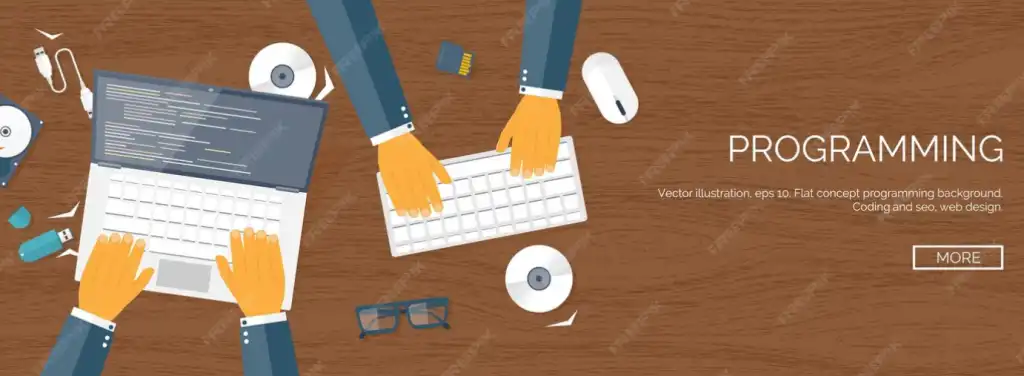
A robust software infrastructure is the foundation upon which an application's success is built.
No digital project can achieve sustained success if it relies on a weak or disorganized software infrastructure. Every new feature added and every future update requires a strong foundation capable of withstanding development without compromising the application's stability or performance. Therefore, professional programming begins with designing a flexible technical framework that is easy to develop, maintain, and add features to over time without requiring a complete project overhaul. This framework also helps minimize software errors, improve database performance, and streamline internal processes, ensuring a stable and fast user experience for all customers. When this stage is properly addressed, the application becomes better prepared for growth, accommodating larger user bases and expanding services without unexpected problems. This preserves the value of the investment and gives the project a real chance to remain competitive and profitable for many years to come.
Every digital project is exposed to a range of technical risks that may lead to significant losses if not addressed from the outset, such as frequent malfunctions, slow performance, difficulty in developing the application, or a weak level of security. This is where the importance of professional programming comes in, which relies on studying the project comprehensively and choosing the best technical solutions appropriate to its nature, size, and future goals. The application is built according to precise standards that help reduce the likelihood of problems occurring, improve system stability, and facilitate future development processes. The programming code is also organized in a way that makes detecting and fixing errors faster and more efficient, which directly reduces financial and operational risks and gives project owners greater confidence in their application's ability to continue and achieve success.