








The importance of interactive maps in service applications
How Smart Maps Help Speed Up Order Fulfillment
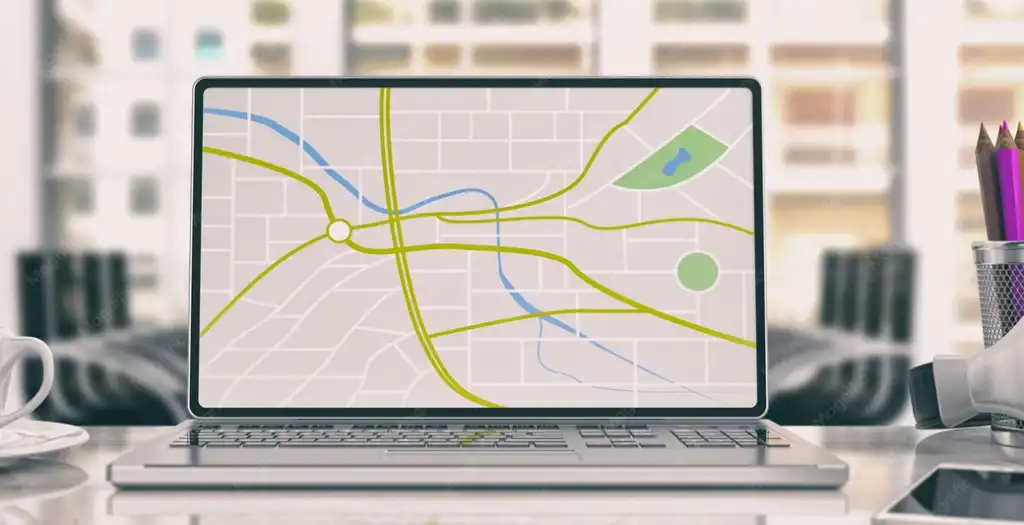
The speed of order fulfillment in service applications depends on the ability to accurately determine locations and manage distances. Therefore, smart maps play a crucial role in improving the efficiency of daily operations by providing real-time data on the locations of customers and service providers. The system can select the nearest representative or employee to fulfill the order based on their current location, significantly reducing waiting times. Maps also help identify the best and shortest routes to reach the desired destination, which translates into faster performance and reduced time and resource consumption. Furthermore, the ability to track traffic in real time contributes to quick problem resolution and appropriate decision-making in the event of delays or traffic congestion. For these reasons, smart maps have become an indispensable tool in applications that aim to provide fast and efficient customer service.
Interactive Maps and Their Impact on Team Efficiency
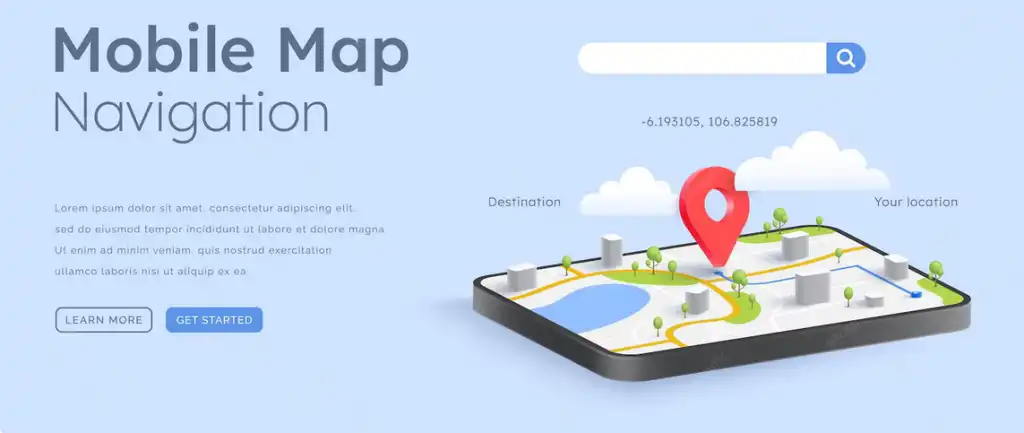
The benefits of interactive maps extend beyond customers to include the teams upon which service applications rely to execute daily tasks. This technology facilitates more efficient task distribution by providing real-time location data for employees or representatives, enabling the selection of the most suitable person for each task. It also contributes to reducing travel distances, improving time management, and significantly increasing team productivity. Furthermore, maps provide management with a comprehensive view of field team movements, allowing them to monitor performance and make operational decisions based on accurate data. This leads to improved service quality, reduced operational costs, and higher levels of efficiency and professionalism.

Accurate Location Reduction Reduces Operational Errors
Interactive maps play a crucial role in minimizing operational errors that service applications may encounter during daily order fulfillment. They allow users to pinpoint their location with high accuracy, eliminating the need to manually type lengthy addresses or explain location details. Furthermore, they help teams reach destinations more easily by relying on precise coordinates instead of traditional descriptions, which can be prone to errors or misunderstandings. In addition, modern mapping systems can continuously update data and display the correct and available routes to reach the customer, reducing the likelihood of delivery personnel getting lost or being late. This accuracy translates into higher customer satisfaction, as customers receive their services promptly and with minimal operational issues. This makes interactive maps a key element in building a professional service application capable of delivering a reliable and stable user experience.

Interactive Maps and Their Role in Improving Management Decisions
Interactive maps provide management with a wealth of geographic data that can be used to make more accurate and effective strategic decisions. They help analyze customer distribution, high-demand areas, and performance levels in various geographic locations. They also enable companies to identify areas that need to enhance services, add new teams, or open additional branches. Furthermore, the information extracted from the maps helps in understanding user behavior and market changes over time, contributing to the continuous development of operational and marketing plans. Interactive maps also empower management to anticipate future needs and prepare for them more professionally, making them an important tool for supporting growth and data-driven decision-making.