








Ten criteria to help you choose a reliable software company
Why is a proven track record an important criterion when choosing a software company?
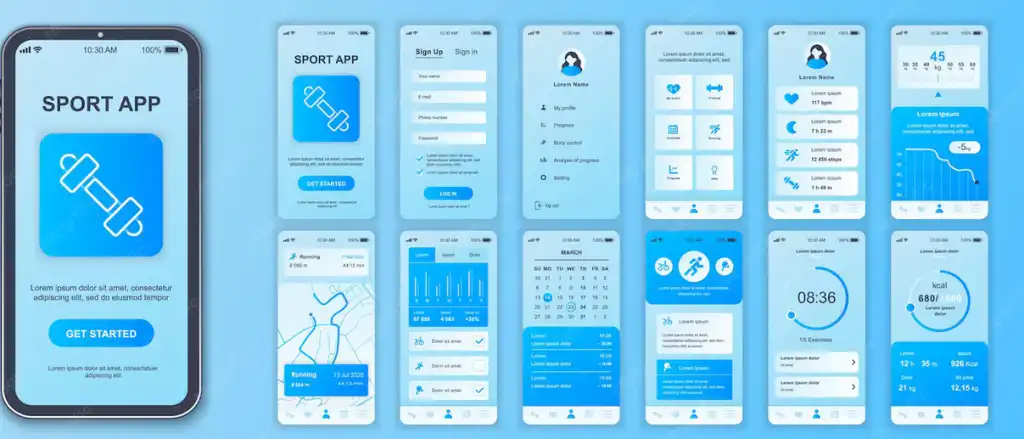
Why is a company's portfolio an important factor when choosing a software company? A portfolio is one of the strongest indicators that helps a project owner evaluate a software company before hiring them. Simply talking about experience is insufficient without supporting it with real projects that can be reviewed to understand their nature and level of execution. Reviewing a company's past work allows you to gain a more realistic understanding of their ability to design various applications, websites, and systems, and the breadth of their expertise in addressing client needs. Reviewing previous projects also helps you assess the quality of user interfaces, feature organization, ease of use, and overall performance. Furthermore, it allows you to determine if the company has previously worked on projects similar to your idea, which is crucial because experience in the required field helps the development team understand the anticipated challenges more quickly. It's also beneficial not only to look at images or links but to try out the company's digital products, if available. Experiencing the application or website yourself can reveal many details about speed, navigation, and ease of use. You can also inquire about the nature of the completed projects, their duration, and the services the company provided after launch. It's important to remember that a large portfolio is not always a sufficient indicator of quality. The quality of the projects and their relevance to client needs are more important than their quantity. Therefore, you should view the portfolio as a means of understanding the company's approach. Her experience and ability to execute your project professionally, not just a list of logos or client names.
Technical Expertise Reveals a Software Company's Ability to Execute Your Project
One of the most important criteria to focus on when choosing a reliable software company is the level of technical expertise the team possesses. A successful digital project requires sound technical decisions from the very beginning, starting with selecting the appropriate programming language and extending to database design, connecting external services, securing the system, and optimizing performance. Therefore, you should know what technologies the company uses and whether they align with the nature of your project and its future goals, or if they rely on off-the-shelf solutions without considering the project's needs. You should also determine if the team is capable of developing applications for Android and iOS, building responsive websites, or creating integrated control panels and back-end systems as required by the project. It's also crucial that the company has experience in integrating with payment gateways, maps, messaging and notification services, and various APIs when the project requires these services. Expertise in these areas reduces the likelihood of technical problems during implementation. Furthermore, a reputable company doesn't choose a technology simply because it's popular; rather, it selects the solution based on the project's size, the expected number of users, the system's scalability, the budget, and operational requirements. It's also advisable to inquire about the company's approach to performance, security, backups, and quality testing, as these details may not be readily apparent to the user. Normally, but it directly affects the stability of the project, so assessing technical expertise should be an essential part of the process of selecting a software company and not just a question of the number of years of experience.

A clear technical and financial proposal is a hallmark of a reputable software company.
When a software company presents a clear and detailed project proposal, it gives the client a significant indication of the company's professionalism and ability to manage the work in an organized manner. A good proposal doesn't just state a total cost figure; it clarifies the project scope, key features, phases to be implemented, technologies to be used, expected duration, delivery method, and post-launch follow-up and support mechanisms. This clarity helps the client understand what they are paying for and prevents significant discrepancies in expectations during implementation. Furthermore, dividing the project into clear phases makes monitoring progress easier and allows the client to see what has been completed and what remains. It's crucial to specify which features are included in the agreement and which may require additional costs to avoid unexpected financial demands midway through the project. Be wary of proposals offering very low prices without providing details, as an excessively low price may be linked to reduced quality of execution, the use of unsuitable solutions, or the absence of genuine post-delivery support. Conversely, a high price doesn't automatically equate to a better company. Therefore, a proper comparison should be between proposals that are similar in scope, quality, and services. The clearer the technical proposal, the better. The clearer and more detailed the financial aspects, the safer the decision-making process was for the project owner.
Code and Data Ownership: Clarification is Essential
One crucial point to agree upon with the software company before project commencement is defining ownership rights related to the code, data, designs, and materials produced during implementation. A lack of clarity on this point could lead to future disputes when the project owner wishes to engage with another party or develop the system internally. Therefore, the contract must clearly define the client's and the company's responsibilities, specifying whether the necessary software files and documents will be delivered. Access to data, databases, servers, and project-related accounts must also be clearly defined. Furthermore, essential service accounts such as hosting, domains, and store accounts must be linked to the project owner or have clear and transferable ownership. A digital project represents a significant company asset, and access to it should not be tied to any individual or entity without a clear agreement. Documenting these matters from the outset helps avoid disputes and fosters greater transparency in the relationship between the parties. Therefore, intellectual property should not be viewed solely as a legal issue but also as an integral part of risk management and investment protection within the project.