







Smart Building and Facility Management Applications and Their Role in Improving Daily Services

The Role of Digital Applications in Managing Maintenance Operations within Residential and Commercial Facilities
Maintenance is a critical factor influencing the efficiency of buildings and the continuity of services within them. Consequently, the adoption of digital management applications has become a vital step for real estate organizations and facility management teams. It enables a shift from a reactive approach—addressing malfunctions only after they occur—to a more professional, organized, and monitored maintenance process. Through such an application, users can log an issue, specify its location within the building, and attach photos illustrating the nature of the fault. The request is then routed to the appropriate department, assigned a priority level, and given an estimated resolution time. This mechanism prevents service requests from being lost or duplicated by multiple staff members. Furthermore, it allows management to distribute tasks among technicians based on their areas of expertise, current location, and availability. Administrators can track the status of each task—from the initial request to the final repair and its formal approval. These applications also maintain a detailed history of past malfunctions and the actions taken to resolve them, which helps in identifying recurring issues and developing targeted solutions. By integrating the system with periodic maintenance schedules, the platform can automatically trigger alerts for the inspection of elevators, air conditioning units, water pumps, electrical systems, and safety equipment—thereby reducing the likelihood of unexpected service interruptions. Additionally, users can monitor the status of their requests independently, eliminating the need for constant follow-ups with building management.
How Smart Apps Make Building Services More Accessible for Residents and Tenants
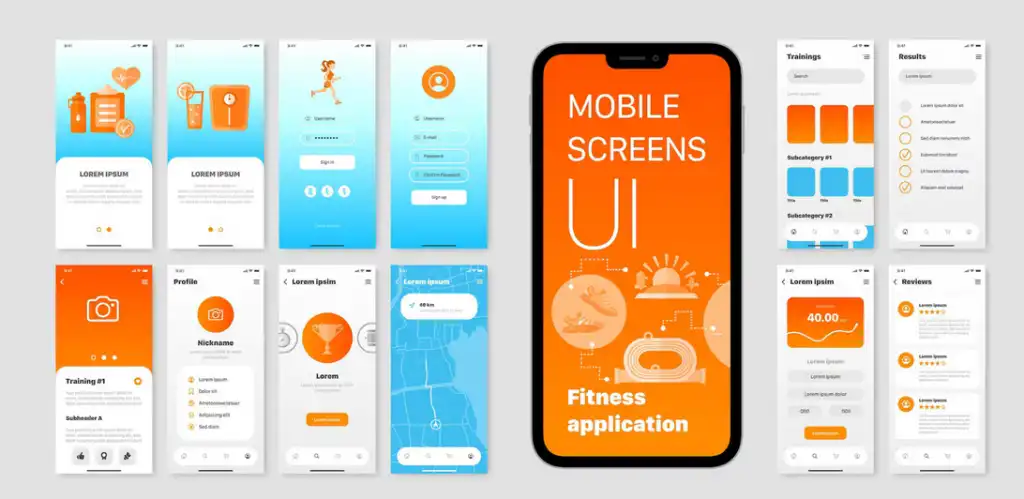
The experience of residents within residential buildings and real estate complexes is shaped by how easily they can access daily services and how quickly management addresses their needs. Smart applications have become an effective tool for enhancing the relationship between residents and facility management by providing a unified digital channel. Through this channel, residents can request services, track their status, and access important information at any time. Users can submit maintenance requests, inquire about service fees, or report issues with shared facilities—all without needing to visit the management office or wait for a response over the phone. The app can also feature a dedicated section for announcements, instructions, maintenance schedules, and service-related alerts, ensuring that information reaches all residents in a clear and organized manner. Furthermore, the app can facilitate the booking of shared amenities—such as meeting rooms, gyms, and activity areas—based on availability and management-defined rules; this helps minimize scheduling conflicts and optimizes the use of shared spaces. Additionally, an electronic visitor registration system can be integrated, allowing for entry authorization requests in line with the facility’s security protocols. These applications also enable residents to view invoices and outstanding fees, as well as manage payments through various digital payment methods—reducing manual processes and streamlining financial transactions. Another key feature is the maintenance of a history of past requests, allowing residents to review details of previous services and track the progress of ongoing ones. Management, in turn, can leverage user feedback to identify areas for improvement. Addressing shortcomings and working on continuous improvements—combined with a simple interface and clear categorization—makes the application accessible to users of all age groups and varying levels of technical expertise. Furthermore, the application can be developed to support multiple languages, catering to the diverse backgrounds of the user base. In this way, it becomes an essential daily tool that saves time, streamlines procedures, increases satisfaction, and fosters a greater sense of organization within the facility.

The Importance of Integrating Security and Surveillance Systems with Smart Building Management Applications
Modern buildings require an integrated security ecosystem that ensures the protection of occupants and property, regulates entry and exit, and monitors events that could impact the facility's safety. With the advancement of communication and control technologies, smart applications now provide a unified interface that enables administrators to monitor security systems and respond to alerts more efficiently and systematically. These applications can be linked to various infrastructure components—such as door control systems, surveillance cameras, alarm systems, motion sensors, and electronic access control—allowing authorized personnel to review system status and critical alerts via a centralized dashboard. Furthermore, the systems can facilitate visitor registration, automatically forwarding visit details to security staff once approved by residents or management; this streamlines reception procedures and reduces reliance on paper-based records. These applications also provide real-time notifications in the event of unauthorized entry attempts or the detection of anomalies by connected systems. Access privileges can be customized, ensuring that users can only view information or perform actions relevant to their specific roles. When developing such systems, it is crucial to prioritize data protection, communication encryption, and the logging of all system activities to ensure they can be audited when necessary. It should also be noted that integrating surveillance cameras does not imply that all users have access to all footage; rather, access must remain restricted in accordance with established privacy and security policies. Additionally, management can leverage digital reports to identify peak hours, analyze visitor traffic patterns, and conduct evaluations. These solutions enhance the efficiency of entry and exit procedures and ensure the periodic monitoring of alarm and safety systems. Their value is particularly significant in residential complexes, commercial centers, and administrative facilities—environments that require constant coordination between security personnel, management, and occupants. Consequently, such an application serves as a vital component of the security ecosystem, helping to improve response times and elevate the level of organization within a building.

Facility Management Applications and Their Role in Enhancing Elevator, HVAC, and Water Systems
The efficiency of a building depends on the continuous operation of various facilities and equipment used daily by residents and staff—such as elevators, air conditioning (HVAC) systems, water networks, and electrical installations. Any malfunction in these components can negatively impact the user experience and disrupt essential services. Consequently, facility management applications have become vital tools, enabling the collection of data on these systems and the monitoring of their operational status through a unified digital platform. These applications can be integrated with compatible sensors and monitoring systems to record performance indicators and detect anomalies that may signal a need for technical intervention. Furthermore, management can schedule routine inspections and maintenance, assign responsibilities for specific facilities, and receive automated alerts ahead of scheduled service dates. The interface can be customized to display the status of elevators—including downtime frequency and related service requests—as well as to track HVAC performance, temperature settings, and operational rates. Additionally, by utilizing appropriate sensors, the system can monitor water consumption, tank levels, and even detect leaks. Such data facilitates a shift from reactive, ad-hoc maintenance to a management approach based on clear metrics and documented records. User-reported issues can also be linked to specific facilities, making it easier to identify recurring faults and evaluate the speed of resolution. Through a comprehensive dashboard, facility managers can compare the performance of various assets, prioritize expenditures, and direct maintenance teams to areas requiring the most attention. The system also allows for the tracking of spare parts, repair costs, and component replacement schedules, which streamlines both financial and operational planning. Ultimately, these capabilities help to minimize... ...equipment downtime, improving the efficiency of asset utilization, and reducing expenses resulting from neglected maintenance. Furthermore, it provides residents with greater stability in accessing daily services. Consequently, designing a comprehensive facility management application represents a significant investment for organizations seeking to enhance operational quality, preserve their assets, and continuously improve their services.