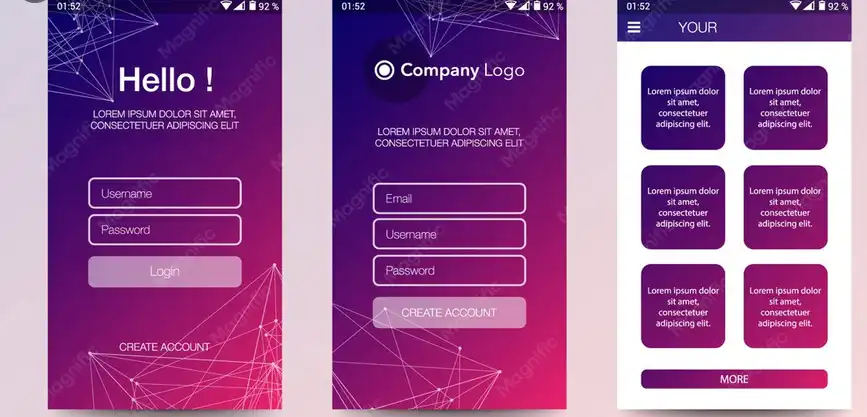









Multiple stores within the app offer a stronger opportunity to increase revenue.

Multi-store apps achieve faster adoption
When an app features numerous and diverse stores, it has a greater opportunity to reach different customer segments. Each store brings its own audience and increases the number of active users within the app. This helps the platform expand its market presence more quickly and makes the app's name known to a large number of people in a short period. The abundance of stores also gives customers a sense of trust because they see multiple options and diverse shopping experiences, making them more willing to rely on the app for their daily purchases. Furthermore, the stores themselves market the app through their customers, pages, and various platforms, creating a massive marketing force without significant additional costs for the business owner. As the number of users increases, the app's commercial value rises, and opportunities to generate revenue from commissions, advertising, and additional services increase. Multi-store apps are also more resilient to competition because the diversity of activities prevents a complete decline in sales, even if demand for a particular type of product decreases. Therefore, the concept of combining multiple stores within a single app has become one of the most successful models in the modern app world because it guarantees continuous sales and steadily increasing revenue.

Every new store within the app means an additional source of revenue.
Adding a new store to the app doesn't just mean increasing the number of sellers; it also opens a new avenue for profit. Every sale made within that store earns the app an additional percentage of revenue. With repeated daily purchases, these small percentages transform into a substantial and consistent income stream, contributing significantly to the project's growth. Furthermore, having multiple stores makes the app more dynamic and vibrant, as customers constantly discover new products and offers, encouraging them to spend more time on the app and increasing their purchase rate. Additionally, a larger number of stores provides the app owner with greater opportunities to establish business partnerships and offer paid services to merchants, such as advertising, promotion, and product placement on the homepage. Over time, the app becomes a massive e-commerce platform that benefits from every sale, regardless of the product or service type. The diversity of stores also reduces business risks, as relying on a single store can lead to a decline in profits if it ceases operations, while having dozens of stores ensures a steady income stream. Therefore, the strategy of expanding the number of stores is one of the most important factors in the success of modern e-commerce apps.

Multiple stores give the app a greater competitive edge.
An app with a large number of stores can compete strongly in the market because it provides users with almost everything they need on a single platform. This makes customers prefer using the app rather than switching between multiple apps to find what they need. The diversity of stores also increases competition among sellers, leading to improved service quality and more attractive offers and prices to draw customers in. Consequently, the app benefits from increased sales and higher daily usage. Furthermore, multi-store apps have greater potential for geographical expansion because they can attract stores from different regions and offer diverse services to meet the needs of a wider audience. With an increasing number of stores, the app's market value rises, making it more attractive to investors and companies seeking business partnerships. This continuous growth helps build a strong brand that is difficult to compete with. Therefore, expanding the number of stores within the app is not just an organizational step, but a fundamental strategy for achieving success and sustainability in the world of digital commerce.

The diversity of sellers within the app increases purchasing activity.
The more sellers and stores there are within the app, the higher the browsing and purchasing activity. This is because customers like to compare products, prices, and services before making a purchase decision. When users find many options within a single platform, they feel more comfortable and are more willing to complete purchases without leaving the app. Furthermore, the presence of diverse stores contributes to attracting different segments of the audience, as each group seeks specific products and has different interests. This diversity increases the daily activity rate within the app and increases the opportunities for continuous profit generation. In addition, the large number of sellers helps provide constantly updated offers and discounts, which keep customers coming back to see what's new. Over time, the app becomes a primary shopping destination that users rely on for most of their daily needs. The management can also capitalize on this high activity by offering additional paid services to stores, such as advertising campaigns, premium packages, and marketing data analysis. Therefore, the success of modern e-commerce apps depends largely on their ability to attract the largest possible number of stores and sellers.