


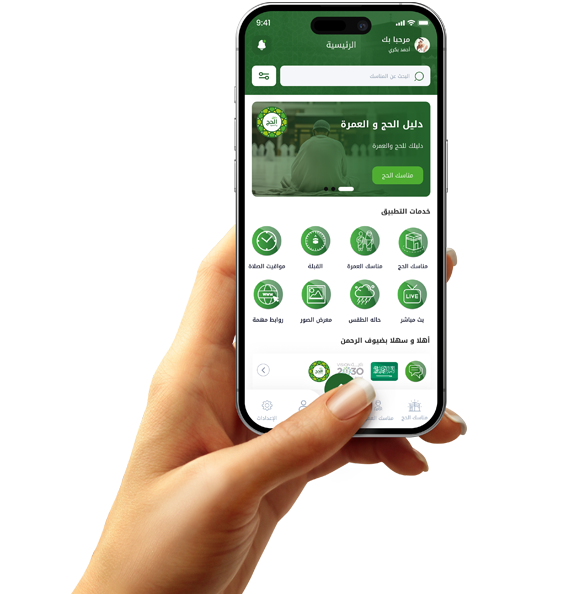




The Importance of Strategic Promotion for the Success and Reach of Applications

Selecting the Right Audience for the App
Defining the target audience is a crucial step when promoting any app; advertising to people who do not need the service can result in wasted budget without yielding real benefits. Therefore, it is essential to study the profile of the prospective user, understanding their interests and the problems they seek to solve through the app. The audience can be segmented based on factors such as age, location, interests, or digital behavior, depending on the nature of the project. Such segmentation facilitates the creation of marketing messages tailored to the specific needs of each group; for instance, a commercial app might need to highlight ease of purchase, special offers, and services, whereas a booking app might need to emphasize the speed of selecting an appointment and confirming the reservation. Consequently, the nature of the app dictates the promotional strategy. It is also possible to test multiple advertising messages to determine which generates the best engagement with the target audience. Furthermore, campaign results—including visits, downloads, and actual usage—must be monitored and analyzed, as a high download count alone does not always indicate success in attracting the right users. Understanding the audience also helps in selecting the platforms where users spend the most time, allowing marketing efforts to be directed toward channels most relevant to the target demographic. This approach leads to more organized promotion, reduces inefficient spending, and helps the app build a user base that is genuinely connected to the service it provides.

Digital Marketing as a Means to Reach App Users
Digital marketing has become a vital tool for promoting an app and reaching the target audience through the channels they use daily. Strategies may encompass digital advertising, search engines, social media platforms, digital content, and collaborations with content creators, tailored to the specific nature of the project and audience; consequently, channel selection should be based on user characteristics rather than merely platform popularity. Campaigns can also be designed to target individuals who have shown interest in similar services, visited the website, or engaged with previous content, utilizing available marketing tools. This approach allows messages to be directed at those with a potential interest in the service, rather than displaying them to a broad, undifferentiated audience. Furthermore, campaign performance can be tracked using metrics such as clicks, downloads, registrations, and usage; analyzing this data enables precise adjustments to advertisements, content, and budgets. It is also essential to ensure that the app’s store page aligns with the message conveyed in the advertisement, so users find the information they expected upon arrival. Optimizing images, descriptions, and titles helps present the app clearly within the store. Ultimately, combining digital marketing with app store optimization helps create a more streamlined journey—from advertisement to download and, finally, to usage.

The Importance of Optimizing App Store Presence
App promotion extends beyond external advertising; app stores themselves are a crucial touchpoint in the journey of a user searching for a new app. Therefore, careful attention must be paid to how the app is presented within the store—including its name, description, images, icon, and details regarding key features. Marketing messaging should align with the content on the app’s store page to ensure a seamless experience, preventing any disconnect between the advertisement and what the user sees upon arrival. It is also beneficial to analyze the keywords and phrases users employ when searching for similar apps and to naturally incorporate them into the app description. Furthermore, images and screenshots help illustrate the user experience and core features prior to download. Page content should be updated whenever significant features or improvements are added to accurately reflect the current version of the app. Monitoring conversion metrics—specifically the ratio of users who visit the app page and subsequently download it—provides valuable insights into whether the app's presentation or promotional messaging requires optimization. Consequently, optimizing the app store page is an integral part of the marketing strategy rather than a separate step; this focus helps maximize the value derived from users who discover the app through advertisements, search results, or recommendations.
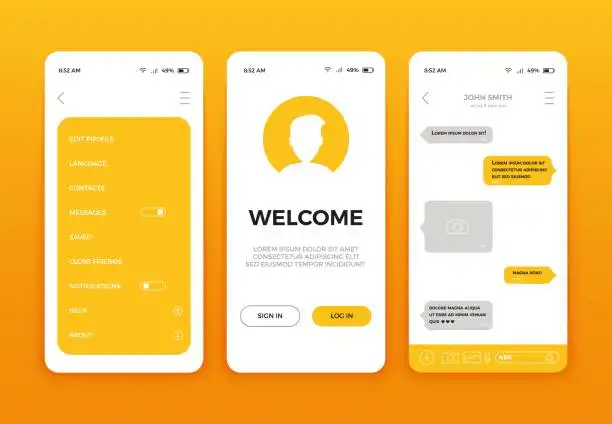
The Role of Continuous Updates in Maintaining an App’s Relevance
Continuous updates are crucial for maintaining an app's presence after launch, as they demonstrate to users that the digital product remains a priority for ongoing attention and development.
Updates need not be massive or packed with numerous new features; even minor improvements—such as boosting the loading speed of a specific screen or fixing a recurring issue—can justify the release of a new version.
When users notice gradual improvements, they feel their experience is valued, which increases the likelihood of their continued use of the service.
Updates also provide an opportunity to introduce features that align with evolving market needs, changing customer behaviors, or the shifting competitive landscape.
It is beneficial to announce updates clearly, explaining exactly what has changed and the resulting benefits for the user, rather than simply sending a generic notification about a new version.
App store pages can also be used to introduce users to new features and highlight significant improvements implemented since the previous version.
The update process should be paired with performance monitoring after every release to detect and address new issues before they impact a large number of users.
Security updates are also vital for protecting user data and maintaining the app's reliability, particularly when it handles accounts, payments, or personal information.
Conversely, neglecting updates for extended periods can make the app appear stagnant—as if development has ceased—even if the core service continues to function normally.