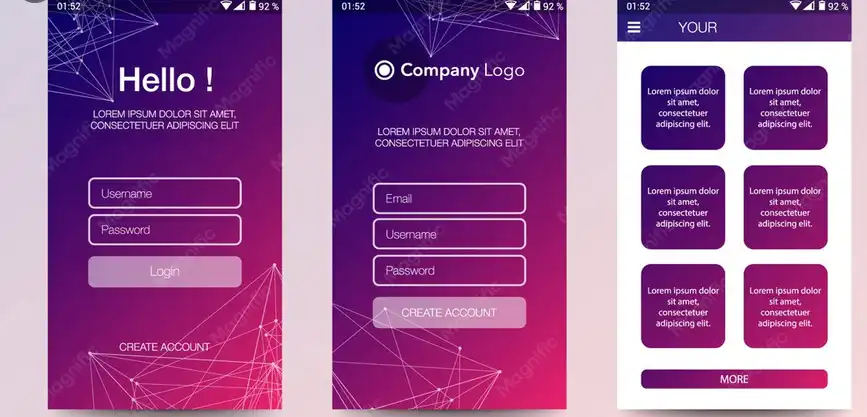




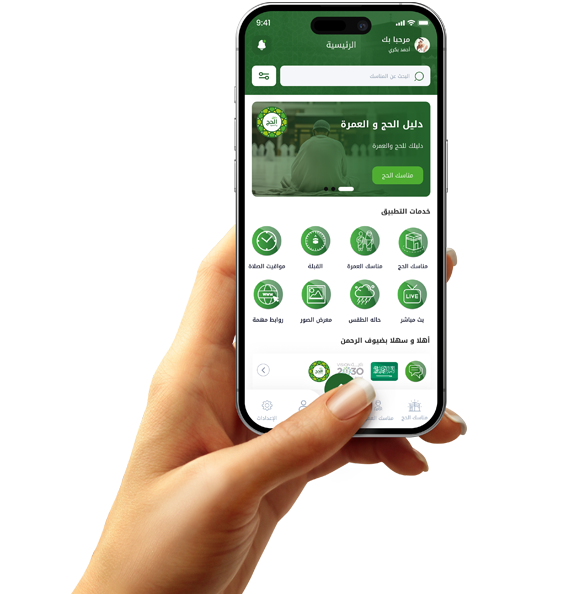



Login errors may prevent the user from returning to your application.

Ambiguous Error Messages May Lead Users to Delete the App
During login, users rely on the information displayed by the app to understand what's happening. If they encounter a vague error message like "An error occurred" or "Login failed" without any explanation, they become frustrated and unsure how to resolve the issue. They might assume the app is experiencing technical problems, their data is lost, or the service is unstable. A clear message, however, can significantly improve the user experience. When an app informs a user that their password is incorrect, their verification code has expired, or their internet connection is unstable, and provides steps to resolve the problem, the user is more likely to try again. This is why software companies focus on crafting smart, easy-to-understand messages and providing direct buttons for retrying, password recovery, or contacting technical support. These messages are also designed to be compatible with all languages used within the app to avoid user confusion. The clearer, faster, and more helpful the messages are, the greater the chances of a successful login, higher user satisfaction, and a lower likelihood of users abandoning the app due to a problem that could have been easily resolved.

Password recovery should be quick and easy.
One of the biggest reasons users lose their accounts is the complexity of the password recovery process. Many users forget their login credentials after a period of inactivity. When they try to recover their accounts, they find that the process requires numerous steps, takes a long time, or verification messages don't arrive on time. This makes returning to the app feel overwhelming, leading users to abandon it and seek a competing service. Therefore, app developers strive to design a comprehensive account recovery system that relies on sending secure and fast verification codes and offering multiple recovery methods, such as email or phone number, with clear instructions at each step. Messages are delivered within seconds, and the system is continuously tested to ensure its efficiency. Simplifying account recovery not only retains current users but also helps bring back those who have been inactive for extended periods, increasing retention rates and preventing customer loss due to complex procedures that could have been easily simplified.
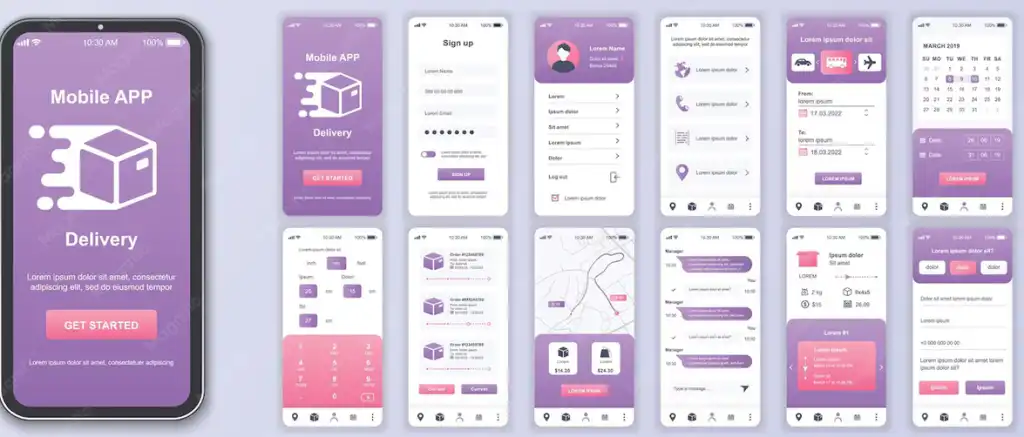
Quick login gives the user a professional impression.
The user's first impression of an application begins the moment they log in. If the process is quick, smooth, and uncomplicated, they feel the application is professional and carefully developed. However, if the process is time-consuming, requires a lot of data, or the user encounters frequent errors, they begin to form a negative impression of the overall quality of the application, even if the other services are excellent. This is why app development companies are focusing on reducing the number of required steps and allowing registration via Google or Apple accounts, social media, and using fingerprint or facial recognition login technologies on compatible devices. User data is also securely stored to facilitate future logins without the need to re-enter information each time. All these small details contribute to improving the user experience, increasing user retention rates, and encouraging repeat visits to the application, which ultimately reflects on the project's success and the achievement of its commercial goals.

Account Sync Errors Can Prevent Users from Accessing Your App
A user might have a single account that they use on multiple devices, such as a smartphone, tablet, or even a web application. Therefore, any malfunction in account data synchronization across these platforms can lead to problems preventing them from logging in or making them believe their account has disappeared or been hacked. This negatively impacts their trust in the application and makes them hesitant to use it again. For this reason, professional application development companies rely on precise, real-time synchronization systems to ensure user data is constantly updated without any data loss. Login and logout processes from multiple devices are tested simultaneously to ensure there are no conflicts or errors that affect the user experience. Accurate logs are also created for all authentication processes to facilitate the quick detection and resolution of any issues before they affect a large number of users. Furthermore, notifications are provided to inform the user of any new login attempts, along with easy management of devices linked to the account. Maintaining account stability across all devices gives the user a sense of security, increases their reliance on the application at all times, and reduces the likelihood of losing it due to technical glitches that could have been avoided with proper programming. Continuous testing and improvement of the back-end infrastructure for account management.