








How digital applications contribute to organizing the services of insurance companies
A More Seamless Insurance Experience Through Digital Solutions
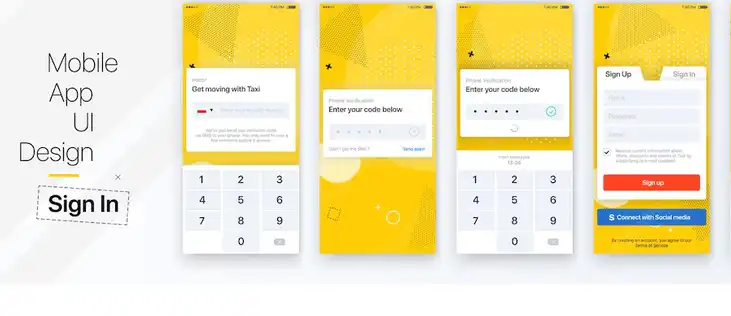
Relying on digital applications helps insurance companies provide a more seamless experience for customers by transforming traditional procedures into clear, digital steps that can be completed via mobile phone. Instead of having to contact multiple departments to check policy details or inquire about a request, customers can access their personal accounts to track all information regarding their services in one place. These applications also allow users to submit insurance applications, attach required documents, and monitor the status of their requests—eliminating the need for repeated visits or follow-up calls. This mechanism reduces the burden on customer service staff, enabling them to focus more effectively on cases that require direct intervention. User interfaces can be designed to present services in a simplified manner, accommodating varying levels of technological proficiency among customers, with clearly defined sections for policies, payments, claims, and renewals. Informative prompts guide users through each subsequent step, ensuring they remain clear on the process throughout their transaction. Furthermore, these applications allow companies to update services and introduce new features based on customer feedback and market needs—making the application an effective tool for enhancing service quality and strengthening the trust beneficiaries place in the company.
Organizing Insurance Policies and Monitoring Their Validity via Applications
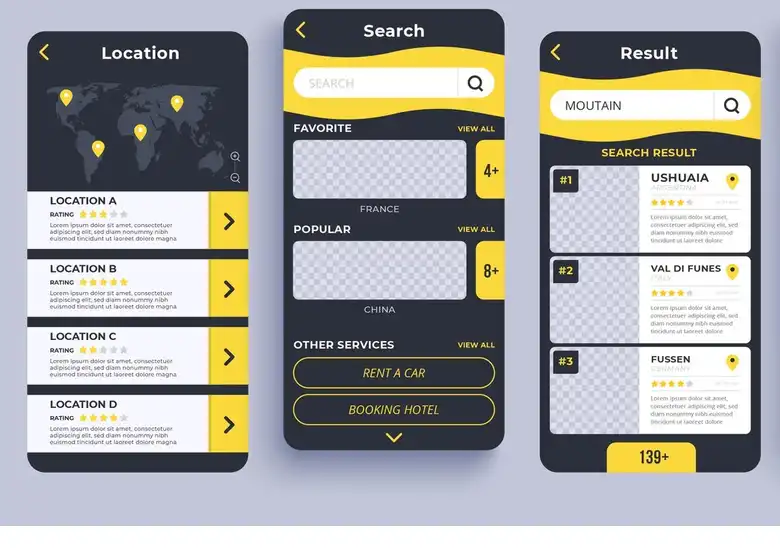
Managing insurance policies is a critical function that requires precise organization within insurance companies—especially when dealing with a large client base holding various types of policies and coverage plans. This is where digital applications prove invaluable; they provide a centralized system for storing policy data, linking each policy to its respective client profile. This makes it easy to review coverage details, issuance and expiration dates, and the terms and conditions associated with the service. Furthermore, the application can send automated alerts well before a policy expires, allowing clients to renew on time and avoid any lapse in coverage due to an overlooked deadline. This feature also assists staff in tracking policies nearing expiration, enabling them to reach out to clients proactively. Users can upload and store electronic copies of their policies within their personal accounts, ensuring they are readily accessible whenever needed. The system also supports searching by policy number or client information, facilitating faster access to data. Administrative access controls allow for the management of permissions, ensuring that only authorized staff can view or modify policy information based on their specific roles. Consequently, policy management is transformed from a process reliant on scattered, disparate files into a structured, digital system that is more accurate, organized, and easier to monitor and improve.
A Unified Dashboard for Managing Operations within Insurance Companies
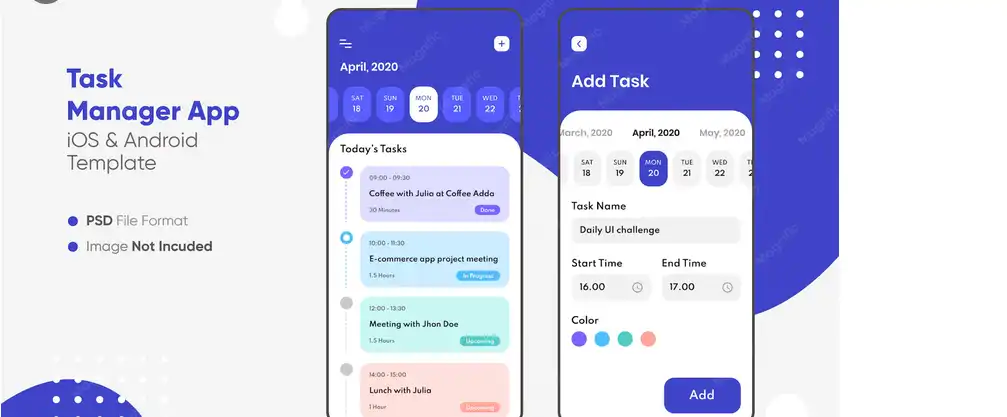
The role of digital applications in insurance companies extends beyond providing services to customers; it also encompasses enhancing internal management through dashboards that consolidate data and operations into a single space. Employees and administrators can access this space based on their specific, assigned permissions. The management dashboard displays new applications, active policies, open claims, payments, renewals, and other information essential for monitoring the company’s daily performance. Data can be categorized by insurance type, branch, employee, or transaction status, making the review of operations clearer and more straightforward. Digital reports help track the volume of requests over specific periods and identify departments that require improvement or additional support. Furthermore, access rights can be customized so that each department can reach the tools and information relevant to its specific functions, rather than making all data accessible to everyone. This mechanism helps minimize overlapping responsibilities and improves coordination between different departments. It also provides management with a more comprehensive view of workflows, eliminating the need to rely on disparate reports that are difficult to aggregate and compare. Consequently, designing a dashboard tailored to the nature of insurance operations is a crucial step toward building a digital system that enables a company to manage its services with greater efficiency.

Protecting Customer Data and Managing Access to Insurance Information
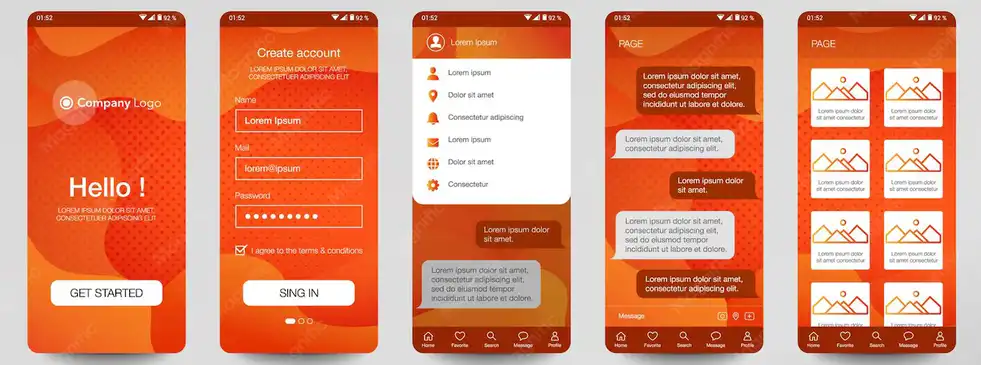
Insurance companies handle vast amounts of personal and financial data, as well as information related to policies and claims. Consequently, protecting this data and managing access to it are critical considerations when developing digital applications. Systems can be designed to verify a user’s identity before granting access to their insurance profile or allowing them to perform any actions related to their policies. Furthermore, tiered access permissions help segregate employee responsibilities, ensuring that users can only access the information necessary for their specific roles. Multi-factor authentication can be implemented for logins or sensitive operations, and robust encryption technologies should be used to protect data both in transit and at rest. Activity logs enable the auditing of system operations, allowing for the identification of which account performed a specific change or request; this enhances the ability to detect unauthorized use and investigate errors when they occur. Additionally, clear mechanisms for data backup and recovery must be established to ensure service continuity in the event of technical failures. Security extends beyond software; it also encompasses defining data retention policies and handling procedures that comply with applicable legal and regulatory requirements. Therefore, selecting a software development firm with expertise in building systems that manage sensitive data is essential for creating an insurance application that balances ease of use and reliability with the protection of customer rights.