







Developing applications for sports clubs to manage memberships, activities, and services

Managing Sports Club Memberships Digitally and Its Role in Enhancing Operational Efficiency
Sports clubs require a precise system for managing memberships, given the diversity in membership types, durations, pricing, and the specific benefits associated with each category. Relying on traditional methods to record memberships and track expiration dates can lead to administrative errors or delays in updating member data. This highlights the importance of developing a digital application that creates a unique profile for each member—containing their essential information, membership type, start and end dates, and payment history. The system can categorize memberships—such as monthly, annual, family, or other specialized tiers—based on the services the club offers. Members can view their subscription details, check the time remaining before expiration, and receive automated alerts to ensure timely renewal. Meanwhile, management can use a control panel to easily review active, expired, or suspended memberships and track the number of subscribers in each category. Furthermore, memberships can be integrated with electronic payment gateways, making the renewal process faster and more organized.
Sports Facility and Activity Booking Apps: A Tool for Managing Services Within Clubs
Managing bookings for sports courts and gyms is a daily challenge for clubs that offer a wide range of activities to their members—especially when training sessions, group classes, and individual activities overlap, all while accounting for varying participant numbers and the specific capacity of each space. Developing a dedicated sports app can transform this process into a seamless digital experience. Members can browse available facilities, select their preferred activity and time slot, and complete their booking directly from their phones. Meanwhile, management can define usage hours, booking policies, participant limits, and cancellation terms tailored to each specific activity. The system also prevents scheduling conflicts by continuously updating availability and displaying slots that have already been reserved. Furthermore, a waitlist feature can be integrated, allowing members to sign up when a session is fully booked and receive automatic notifications as soon as a spot becomes available.
The Role of Sports Applications in Organizing Trainer Schedules and Training Sessions
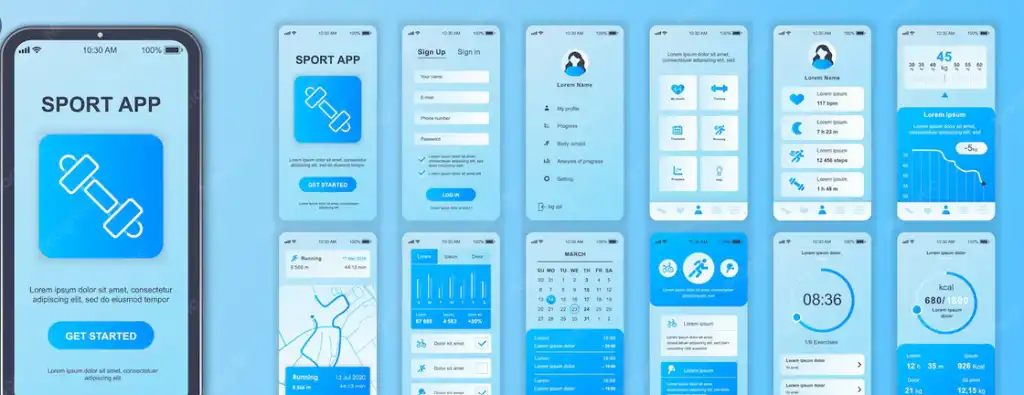
The quality of training services within sports clubs depends on precise organization that coordinates trainers, members, session schedules, and designated training spaces. Managing these elements can become increasingly complex when a club employs a large number of trainers and offers diverse programs tailored to different age groups and athletic levels. A specialized application can address this by creating a centralized system for managing training schedules and allocating sessions based on each trainer’s area of expertise and availability. Management can input trainer profiles, define the programs they offer, and link each program to appropriate times and locations. Meanwhile, members can view schedules and select sessions that align with their personal availability and athletic preferences. The application can also display the number of remaining spots in each session, allowing members to check availability before finalizing their booking. Furthermore, the app assists trainers in tracking participant lists, recording attendance and absences, and notifying management of any schedule changes. It can include a feature to assign a substitute trainer should the primary instructor be unable to conduct a session. Additionally, push notifications allow for instant alerts to be sent to members regarding any changes to training times or locations. Management can review the number of sessions conducted by each trainer and monitor participation rates across various programs, which facilitates more efficient allocation of human resources. The application can also feature dedicated profiles for trainers—showcasing their experience, specializations, and available programs—to help members choose the training that best suits their needs. In this way, the application serves as a practical tool for organizing the entire training process. And improving communication among all parties within the club.
How Apps Help Improve Communication Between Sports Clubs and Their Members
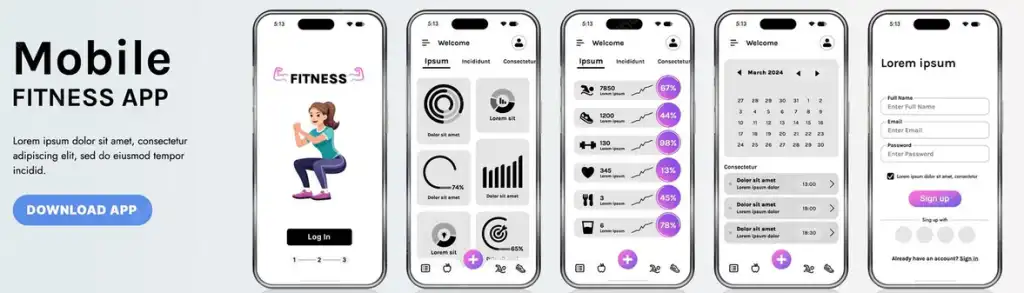
Consistent communication with members is a cornerstone of a sports club's success. The quality of the member experience is not defined solely by the availability of facilities, equipment, and activities; it also depends on management's ability to deliver important information in a timely manner and respond to members' needs. Developing a dedicated club app provides a direct communication channel that brings management, trainers, and members together within an organized digital environment. Through the app, administrators can post announcements regarding operating hours, new activities, competitions, and service updates. Notifications can be segmented based on membership type or the specific activities in which a member participates, ensuring that relevant information reaches the intended audience without disturbing other users. A section for inquiries and complaints allows members to submit feedback and track the status of their requests until they are resolved. Furthermore, a messaging feature facilitates communication between members and the appropriate departments, governed by access permissions set by the club. The app can also be used to send reminders for subscription renewals, scheduled sessions, and upcoming events. Management can monitor user engagement with announcements to identify topics of greatest interest. Additionally, short surveys can be deployed to gauge member satisfaction with services, trainers, and sports facilities. This data enables management to address issues before they negatively impact members' perceptions or their desire to remain with the club. Maintaining an organized record of correspondence and requests helps improve response times and ensures that inquiries do not get lost across various communication channels. Thus, sports apps offer far more than just the organization of internal operations. It also contributes to building a more engaged and interconnected sports community.