




Clinic Appointment Booking Systems Moving from the Chaos of WhatsApp to Automated Scheduling
A Control Panel to Help Clinics Manage Bookings
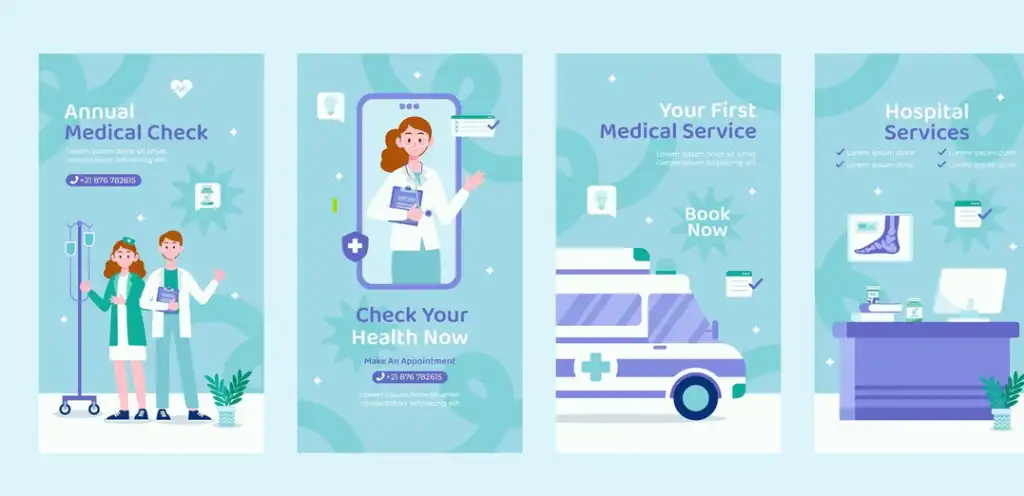
A patient-facing booking application requires a robust control panel for the clinic, transforming digital bookings into a comprehensive, easily manageable system. Through this administrative dashboard, staff can view upcoming appointments, categorized by physician, specialty, branch, or booking status. This allows personnel to instantly identify confirmed, canceled, or pending appointments without having to sift through chat histories. Staff can also manually add appointments—for instance, when a patient books via phone or in person—ensuring these slots are blocked in the schedule to prevent double-booking. From a single, centralized location, management can adjust operating hours, register holidays, and update physicians' schedules. Furthermore, the system tracks booking volume throughout the week, highlighting periods of high demand; such data informs practical decisions, such as extending operating hours or scheduling additional medical staff during peak times. Insights into the most requested services can also be leveraged to enhance the overall patient experience. The system is scalable, allowing multiple branches and physicians to be integrated into one dashboard while maintaining organized data. Access permissions can be configured so that not every user has the authority to modify all settings; assigning specific roles to individual staff members ensures a more secure and transparent management process. Consequently, the application evolves from a simple booking interface into an integral component of the clinic’s administrative infrastructure. This level of organization helps minimize errors and accelerates patient service—an essential advantage as booking volumes grow and managing everything via platforms like WhatsApp becomes impractical.
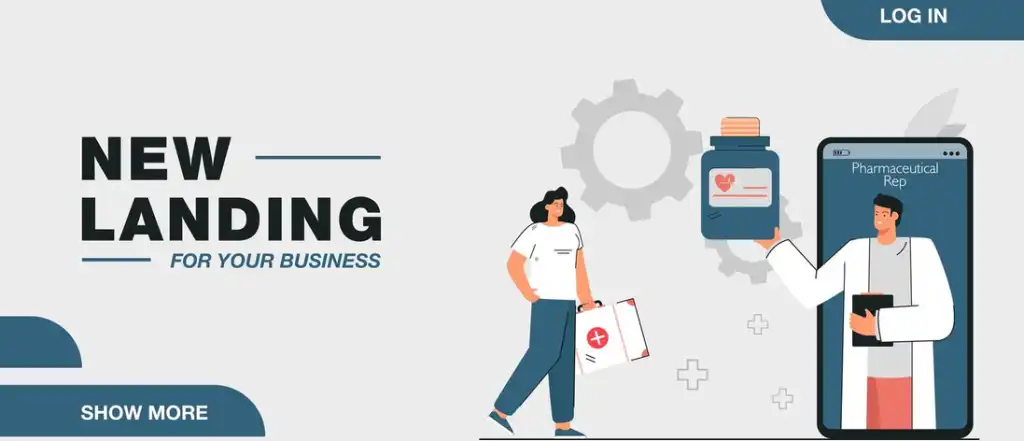
A Simpler Booking Experience for Patients via a Clinic App
Patients are not just looking for a medical appointment; they also value how easily they can book and confirm one, without unnecessary steps. A clinic app offers a superior experience compared to traditional communication—such as messaging via WhatsApp—by structuring the booking process into clear, logical steps: selecting a specialty or service, choosing a physician, and picking a convenient date and time. Users can view available slots instantly, eliminating the need to send messages or wait for a response from a receptionist. The app can also display brief profiles of physicians and the clinic, helping patients make informed decisions before finalizing their booking. Once a slot is selected, the booking details are clearly presented for review before completion, followed by an instant confirmation that the patient can easily access later within their account. This approach minimizes the risk of misunderstandings—such as discrepancies regarding the date or time—that can often arise during text-based scheduling. The app keeps upcoming appointments in a dedicated section, making them easy to locate whenever needed. It can also include options for cancellation or rescheduling, in line with the clinic’s specific policies, and send automated reminders to help ensure appointments are not forgotten. This creates a more transparent booking experience, even for users who prefer to avoid long phone calls or text conversations. Furthermore, the interface can be optimized to be accessible for the elderly or those who require a straightforward process with clear, concise information. With repeated use, the booking process becomes even faster, as patients can quickly navigate to their preferred physician or service. Ultimately, this transforms the app into an integral part of the patient’s overall healthcare experience, rather than just another communication channel.

Online booking paves the way for more professional clinic management.
Transitioning from WhatsApp-based booking to a dedicated application is a significant step as a clinic’s patient volume grows and a more organized system for managing requests becomes necessary. While messaging apps are suitable for general communication, they are not designed to handle physician schedules, fluctuating appointments, or the data associated with each visit. In contrast, a purpose-built application can automate the entire booking workflow: a patient selects a service, a physician, and a time slot, and subsequently receives confirmations and reminders—all without requiring constant manual intervention from staff. Meanwhile, the clinic can monitor appointments via a centralized dashboard that presents information in an organized format. The system can capture essential booking data, link it to individual patient records, and ensure compliance with established privacy policies. Furthermore, the platform can be scaled to include features such as online payments, follow-up appointment scheduling, or multi-branch management. A flexible system architecture allows for the addition of new services without the need to redesign the entire booking process. Additionally, the system can be integrated with automated notifications to reduce no-show rates and enhance patient communication. With structured data, management gains a clearer understanding of demand volume, peak hours, and the most frequently requested services—insights that are invaluable when planning for expansion or optimizing physician work schedules. Moreover, a seamless booking experience enhances patient convenience, increasing the likelihood of repeat visits. Ultimately, developing a dedicated booking application for a clinic is more than just replacing WhatsApp with a new interface; it represents a shift from manual, ad-hoc communication to a robust digital ecosystem that can evolve alongside the clinic’s growth.
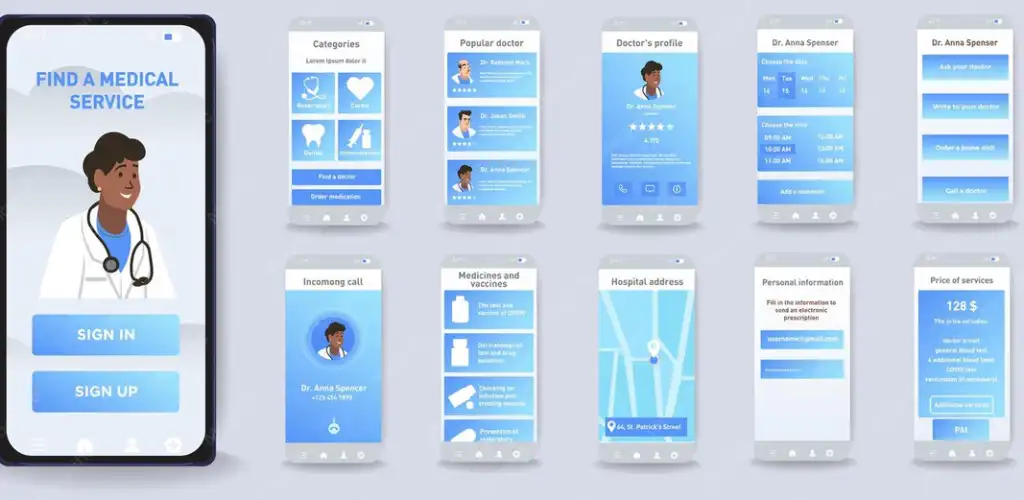
Choosing a doctor and an appointment has become a process that can be performed in minutes
When a patient is forced to send a message to explain his condition and request an appointment and then wait to find out which doctors are available, the booking process may take longer than necessary, while the application can make access to the appropriate appointment more direct by organizing doctors, specialties and appointments in a clear path. The user can choose the specialty and then review the available doctors and find out the appointments that can be booked. After specifying the day and hour, the request is registered according to the data required from the clinic. The system can prevent the selection of appointments that have expired or have already been booked. The list can also be updated directly when any new booking occurs, and this reduces the chances of Conflicts that can occur when more than one employee manually registers appointments. Search or filter options can also be provided if the clinic includes a large number of doctors or services, so the patient can access what suits him without browsing long lists. The branch location or visit details can also be shown before confirmation if the clinic has multiple branches. After booking, all the information he needs is shown to the user in one place instead of returning to the conversation to search for appointment details. The reservation can also be linked to automatic reminders so that the patient does not need to register the appointment in another application. This method helps reduce steps and improve the user experience. At the same time, it provides the clinic with more organized data that can be easily referred to, and with repeated use, booking becomes a quick process that can be carried out within minutes instead of entering into a long series of messages and responses.