


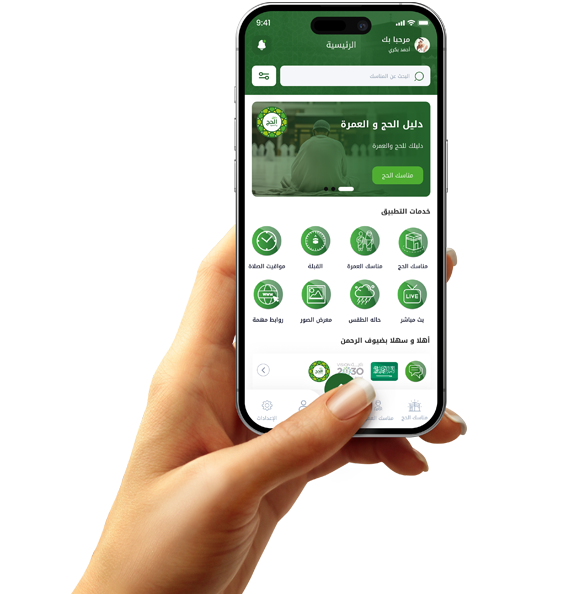



The importance of completing government transactions and official services via applications at the present time
Why have apps become the preferred option for accessing government services?
Completing government transactions no longer requires visiting official offices as it once did. Smart applications now provide an integrated platform through which users can access various services anytime, anywhere. This has contributed to reducing congestion within government agencies and improving the speed of processing requests. Applications also enable users to upload documents electronically, verify digital identities, and receive instant notifications for every step of the transaction, providing a more flexible and convenient user experience. Furthermore, government agencies are now able to manage data more efficiently and effectively, generating reports and statistics and continuously improving performance. Applications have also helped increase transparency and reduce paperwork, becoming an essential part of modern governments' vision to provide advanced electronic services that meet the needs of society.
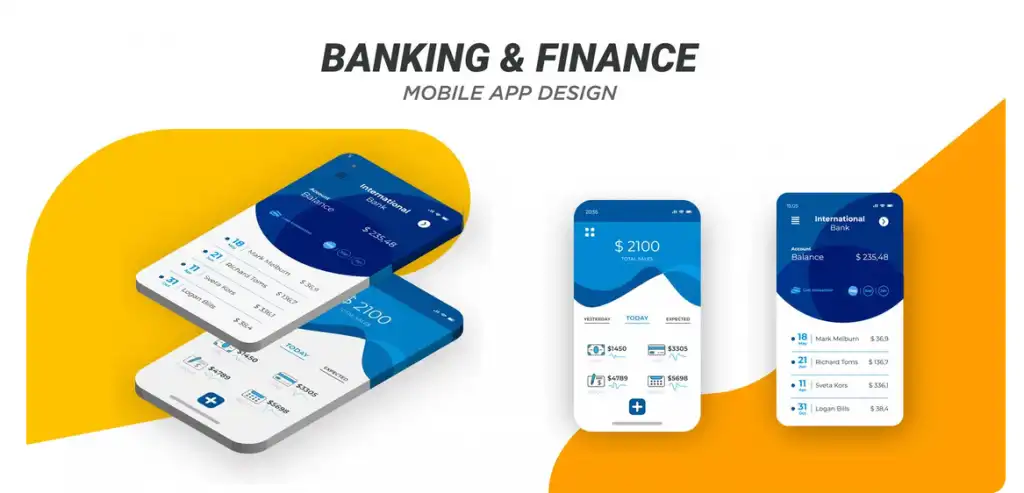
Switching to government apps saves time and effort.
Time has become a crucial factor in people's lives, and therefore, government apps have been introduced to streamline procedures that once took days or weeks, making them complete in minutes. Users can submit official requests, send required documents, pay fees, and receive results electronically without having to move between different departments. The apps also provide real-time tracking of requests with notifications for each update, which has helped reduce pressure on service centers and improve response times. Furthermore, they offer a unified database that enables government agencies to exchange information quickly and securely. These apps have also contributed to reducing operational costs, improving employee efficiency, and increasing the productivity of government institutions. Therefore, adopting them has become an essential step to keep pace with the demands of the digital age.
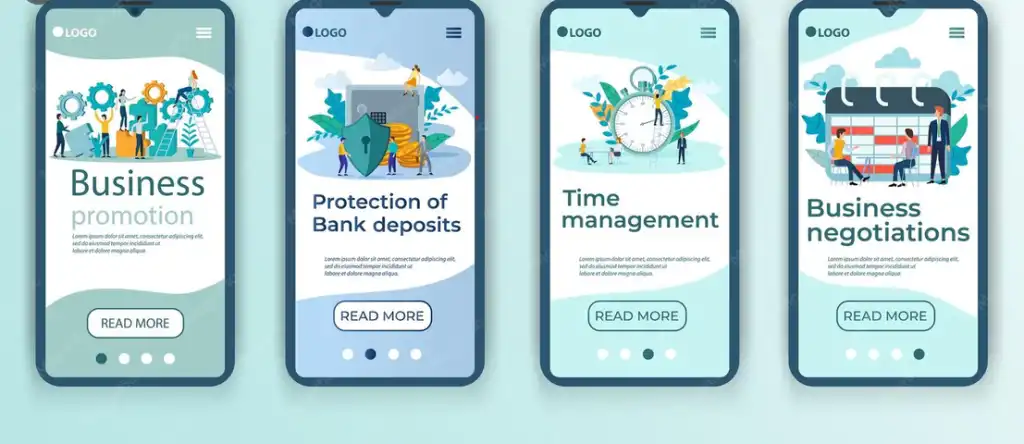
Government Applications Support the Digital Vision of Nations
Modern governments strive to build an integrated digital system that relies on technology to provide services to citizens and residents. Smart applications are among the most important tools for achieving this goal, thanks to their ability to provide government services quickly, securely, and 24/7. Users can now access dozens of different services through a single application without needing to visit any government office. Applications have also contributed to data organization, improved electronic archiving processes, and reduced reliance on paper documents. Furthermore, they have enhanced the efficiency of government performance by automating procedures, analyzing data, and making more accurate decisions. With continued technological advancements, government applications represent a genuine investment in the future of public services and contribute to building a more advanced and efficient digital society.

Official Apps Provide Government Services Around the Clock
One of the most significant advantages of government apps is that they make official services available to users throughout the day, regardless of working hours or holidays. Anyone can access the app at their convenience and easily complete their transactions, whether it's issuing documents, renewing licenses, paying fees, or tracking applications. The apps also offer simple user interfaces that allow everyone to benefit from the services without difficulty. Furthermore, they provide instant notifications for every update to a transaction, giving users a more comfortable and flexible experience. These apps have also helped government agencies reduce the number of visitors to branches, improve the utilization of human resources, and increase performance efficiency. Digital services have become an integral part of daily life thanks to the increasing reliance on smart applications.
In the past, government agencies relied on a long series of paper-based procedures that required multiple reviews and long waiting times to complete the transaction. Today, applications have contributed to simplifying these processes and transforming them into clear and quick electronic steps that can be carried out via mobile phone. Users are now able to fill out forms, attach documents, send requests, and receive results without having to move between different departments. Applications have also helped reduce errors resulting from manual data entry, improve the speed of reviewing requests, and raise the level of accuracy in saving information. In addition, they support integration between different government agencies, which has made services more efficient, faster, and less expensive compared to traditional methods.