


Why are major retailers closing their branches and relying on super-delivery apps
The Psychology of "Site Liberation" and Operational Efficiency:
At Grand, we analyze the reasons behind the gradual decline of traditional retail stores in Saudi Arabia and Egypt. The large retailer of 2026 is seeking "agility." Instead of paying exorbitant rents in shopping malls, they are allocating these budgets to improving the "app experience" and directly accessing customer data. We discuss how retailers have eliminated the costs of décor, excess staff, and energy bills, transforming into "digital entities" capable of changing their prices and offers with the click of a button, granting them immense flexibility in the face of market fluctuations.
Architecting "SuperApps" as a Lifestyle:
We explore Grand's technological approach to transitioning from individual apps to "superapps." The customer of 2026 doesn't want an app for every store; they want a single platform (superapp) from which to order their food, clothes, and pay their bills. We explain how major retailers are integrating into these systems to become part of the customer's daily routine. This integration provides merchants with unlimited access to a huge audience with less marketing effort, as the super app does the job of "attracting visitors" instead of the traditional storefront.
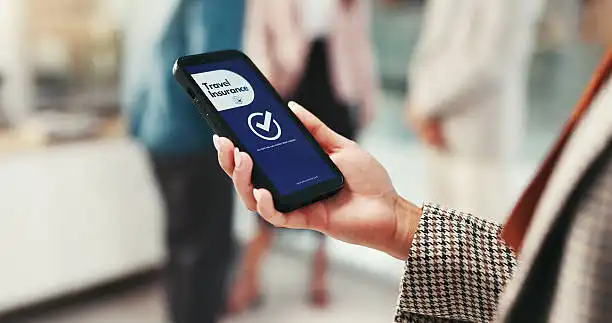
Analyzing "Data Sovereignty" vs. Store Visitors:
At Grand, we explore the fundamental difference between a store visitor and an app visitor. In a store, you only know who entered and left after making a purchase; however, in an app, every touch is a valuable piece of information. Artificial intelligence analyzes what the customer viewed but didn't buy, and the time spent in each section. This "information sovereignty" allows merchants to build cloud warehouses (dark stores) in geographically inexpensive but "programmally centralized" locations, ensuring order delivery in minutes—something no traditional branch can achieve.
Redefining "Luxury": From Texture to Speed:
We conclude with Grand's philosophical vision for the evolving concept of luxury for customers in 2026. Luxury is no longer about marble and lighting in a store, but rather about the "smoothness of the app" and the speed with which a well-dressed and elegant delivery person arrives. We emphasize that closing physical stores is not a retreat, but rather "intelligent expansion," where every mobile phone in a customer's hand becomes a "private branch" for your brand. This transformation builds loyalty based on "absolute convenience," and makes your brand the first choice for the customer who values their time above all else.
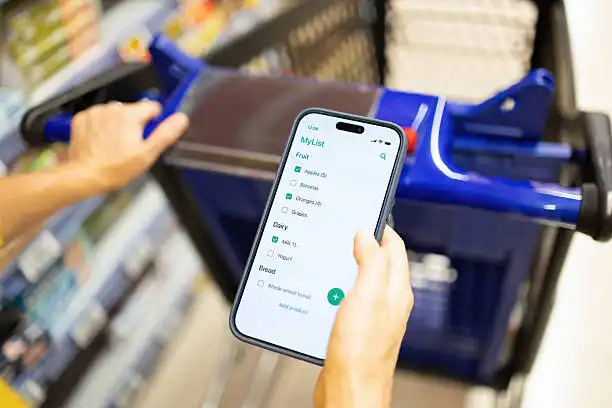
The Age of Asset-Light Business:
At Grand, we teach merchants that the strength of a business in 2026 isn't measured by the number of branches it owns, but by its agility. Closing physical branches converts fixed assets into cash that can be invested in developing delivery algorithms and artificial intelligence. Customers no longer want to get dressed, go out, and park to buy; they want the store to come to them. This shift has allowed major brands to grow significantly with much lower expenses.
Integration into the Super App Ecosystem: If your app in 2026 isn't "super" (doing multiple things simultaneously), it must be part of a super app. At Grand, we explain that merchants now prefer to be present on platforms that combine payment, delivery, and entertainment. This ensures that while paying their electricity bill, customers see an offer from your store and buy spontaneously. Being part of a comprehensive ecosystem allows your sales to operate automatically 24/7.

"Ghost Warehouses" and Saving Millions:
The secret we're revealing at Grand is that major retailers have replaced their downtown stores with warehouses in cheaper, remote areas, but connected to a "high-tech" delivery system. These warehouses have no decor or air conditioning for customers; they're designed solely for robots and workers to prepare orders in a minute. This reduces costs by 40% and increases delivery speed, and ultimately, the customer receives the product packaged luxuriously, so it doesn't matter where it came from.
Individual Personalization vs. "Collective Display":
A traditional store displays the same product to everyone; however, the Grand app displays each customer's "personal store." Artificial intelligence changes the app's appearance and products according to each individual's taste. The retailer who closed their physical stores can now "flatter" each customer with their favorite products, creating a personal connection impossible in crowded stores, and making the customer feel like the only VIP in your digital store.
The future doesn't belong to those with the largest physical space, but to those with the fastest algorithms. Make your app the branch that never closes in your customer's pocket. What do you think is your most costly branch, the one whose sales are declining, and how can Grand transform it into a digital revenue machine today?