



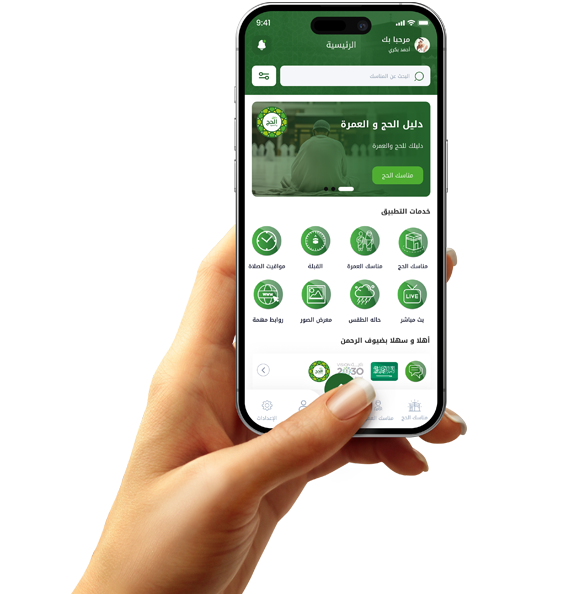




The lowest price isn't always the best option in app development.
The value you get is more important than the number written in the offer
When thinking about implementing a new application, the price is usually one of the first things that the entrepreneur looks for, but focusing entirely on the number may make the comparison between companies inaccurate because each company may provide a completely different level of services within the same price.
One company may offer a low amount because it only provides basic programming, while another company may offer a higher amount because it includes analysis, design, testing, protection, and support within the project.
This is why the software offer must be viewed as an integrated package of services and not just the cost of writing codes.
True value appears when the application is able to easily serve users and achieve business goals without the need for constant fixes after launch.
Some companies may be able to implement the application at a low price because they use quick solutions, but these solutions may not be suitable for a project that needs significant expansion in the future.
When the number of users increases, problems may arise in the speed of the application, database, or servers, and the need to rebuild parts of the project begins.

Why a Cheap App Might Cost More After Launch
A low-cost app might seem like an excellent opportunity to reduce initial investment, but the problem arises when it's discovered that the low price wasn't due to high efficiency, but rather to skipping crucial stages of the development process.
Any app requires a series of integrated steps, starting with idea analysis and requirements definition, followed by interface design, programming, testing, launch, and support.
When some of these steps are omitted to reduce the price, the consequences may later manifest as technical or operational problems that are difficult to resolve.
One of the most common problems that can appear after launch is poor performance when the number of users begins to grow beyond what was tested during development.
Errors may also occur in registration, payment, notification sending, or data storage due to insufficient testing of various scenarios.
The project owner may then have to pay additional fees to other developers to review the code and identify the root causes of the problems that emerged after delivery.

Programming Quality Protects Your Investment from Recurring Costs
Investing in a mobile application doesn't end once you pay the development costs and get a working version. The true value of the project depends on its ability to function efficiently and continue to evolve without requiring frequent, costly repairs.
Therefore, programming quality is one of the most important elements to evaluate before choosing a development company.
Clear and organized code makes future maintenance and development easier and reduces the time required to implement modifications.
Conversely, disorganized code can lead to problems when adding even a simple new feature.
The project owner may find themselves paying recurring fees to fix different parts every time the application is updated.
This type of cost may not be apparent at the beginning of the project, but it significantly impacts the budget in the long run.
Good programming also helps improve application performance, reduce resource consumption, and increase responsiveness. Speed is a crucial element because users now expect an instant experience and dislike applications that take a long time to load.
The cheapest offer isn't always the best deal.
When you receive multiple offers from different software companies, it's natural to be drawn to the lowest-priced one. However, basing your final decision solely on this may lead to an unsuitable choice for your project.
Offers vary in their details, service levels, number of implementation phases, and post-delivery support.
The price difference between two offers might stem from one offering professional design, comprehensive testing, technical support, and scalability plans that the other lacks.
Therefore, a proper comparison should be between similar services, not just the numbers.
It's helpful to create a list of required features and ensure each one is clearly included in the offer.
You should also determine if the company provides a comprehensive control panel for managing the application, or if this service is a separate cost.
Furthermore, you should verify the number of platforms supported and whether the application will fully function on the required operating systems.
Inquire about the pre-launch testing procedures and the hardware used for testing.
It may also be essential to understand how accounts, data, and payment processing will be protected if the application handles sensitive information. It is crucial to define a backup and data recovery mechanism in case of any technical issues.
It is also essential to ensure that a plan is in place to address any malfunctions that may arise after launch.
A commercial application cannot be considered complete simply by uploading it to app stores, as the real test begins when customers actually use it.
Real-life usage may reveal issues that were not detected during internal testing.
Therefore, having rapid technical support can protect the project from prolonged service downtime.
Furthermore, the company's previous experience in implementing similar applications can save considerable time during the analysis and implementation phases.
A company that understands the market and users can propose practical solutions instead of merely implementing requirements verbatim.