








The importance of app compatibility with various Android versions to avoid software issues.

Android Version Variations and Their Impact on Application Execution
The continuous evolution of the Android operating system has resulted in numerous versions that differ in various software and security characteristics. Consequently, executing an application without considering these differences can lead to issues on certain devices—even if the app performs well during initial testing. For instance, the handling of specific functions may change between versions, permission requirements may vary or be presented differently to the user, and older APIs might be replaced or restricted in newer releases. Therefore, the development team must incorporate version compatibility into a clear implementation plan from the project's outset. This involves defining the minimum supported Android version and selecting appropriate development tools for that scope. Furthermore, the application should be tested across a range of devices and versions rather than relying on a single phone, as variations in the operating system and hardware capabilities can yield different results when executing the same functions. It is also crucial to monitor post-launch errors and analyze their correlation with specific system versions to facilitate the release of appropriate updates. Additionally, employing compatible coding practices helps minimize the need for major modifications when adding support for new versions. Ultimately, understanding Android version variations is a fundamental step when developing an application intended for a broad user base, as it ensures a more stable experience and reduces the likelihood of encountering unexpected issues after launch.

Testing the Application Across Various Android Versions
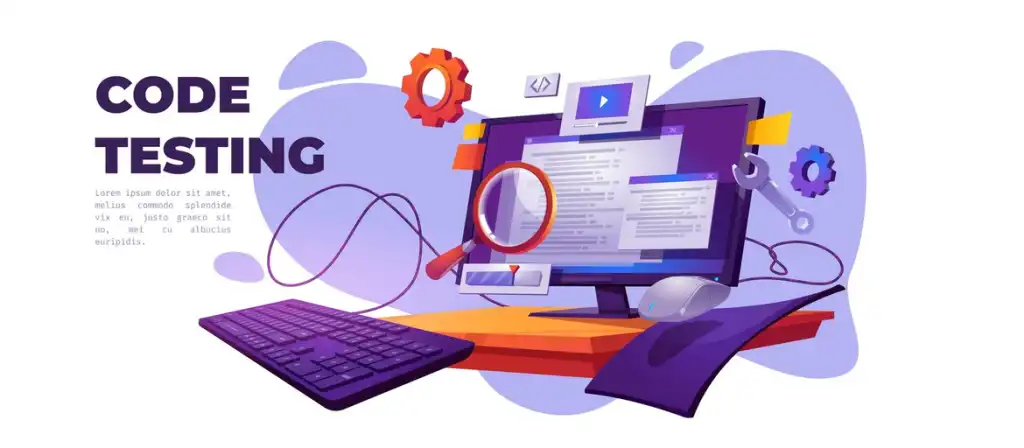
Testing an application on a single Android version is insufficient to ensure its readiness for all users, as devices on the market run on different system versions, and specific functional issues may arise when transitioning between them. Therefore, the testing plan must incorporate a range of devices or environments representing the target versions. Testing should cover key functions such as login, page navigation, push notifications, and the use of the camera, location services, files, and permissions. It is also crucial to monitor the application's behavior during initial installation and after upgrading from a previous version, as issues can stem from how the system handles pre-existing data. Furthermore, the application should be tested following operating system updates to ensure core functions continue to operate normally. Development teams can utilize testing tools to evaluate the app across multiple versions without needing physical access to every device. Logging and categorizing errors by system version helps identify recurring issues and determine appropriate fixes. Re-testing after any code modification is essential, as resolving an issue in one version should not trigger a new problem in another. Consequently, comprehensive testing is a fundamental stage in delivering a stable Android application that performs reliably across diverse devices.
Android Updates and the Importance of Keeping Pace During Development
An application's compatibility with Android does not end with the launch of its initial version; the operating system constantly receives updates and changes that can affect how certain app functions operate. Consequently, the development team must monitor new version releases and assess their impact on the application before they reach a large user base. Some updates may mandate new approaches to handling permissions, files, notifications, or background services, making code updates—when necessary—a crucial part of application maintenance. Ideally, the application should be built in a structured manner that allows for these modifications without requiring a complete redevelopment of the project. Periodic testing following the release of new versions is also essential to ensure core functions continue to operate as intended. Furthermore, monitoring user-reported crash logs helps identify issues linked to specific Android versions. This proactive approach allows for early problem detection rather than waiting for issues to spread among a large number of users. Continuous application updates ensure compatibility with the evolving software environment and provide users with a more stable experience. Thus, keeping up with new Android versions is not merely an optional step but an integral part of the application lifecycle—a process that begins with planning and extends well beyond the initial store launch.
Ensuring App Compatibility Across Older and Newer Devices
When developing an application for a large user base, it is essential to account for the coexistence of modern devices and those running older versions of Android. System variations affect not only the user interface but also performance, permissions, and the execution of specific services. Therefore, the target devices and OS versions must be defined prior to coding, accompanied by a clear strategy for supporting users with older devices within the target scope. Modern features should not be implemented without providing a suitable fallback mechanism for versions that do not support them; development teams can implement alternative solutions when specific functionality is unavailable on older versions, while still maintaining an optimal user experience. Furthermore, performance testing across devices with varying specifications is crucial, as a feature might be technically functional yet run slowly or unstably on certain devices. Minimizing resource consumption and optimizing data loading can significantly improve performance on lower-end devices. It is also important to prioritize based on the target audience rather than attempting to support every existing version without careful consideration; striking a balance between older and newer devices fosters a more practical application and minimizes issues arising from diverse operating environments.