







The future of applications that function without the need to create a traditional account

How "Instant Access" Is Reshaping Modern App Design
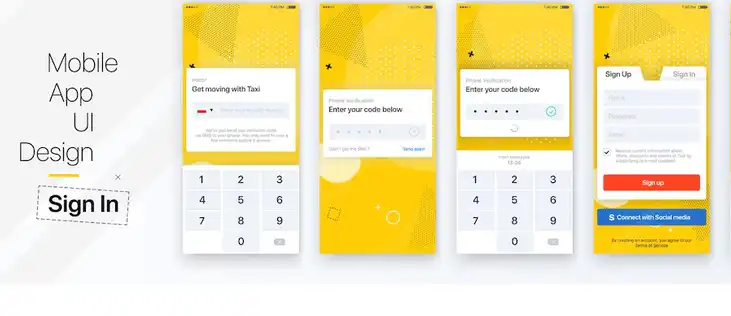
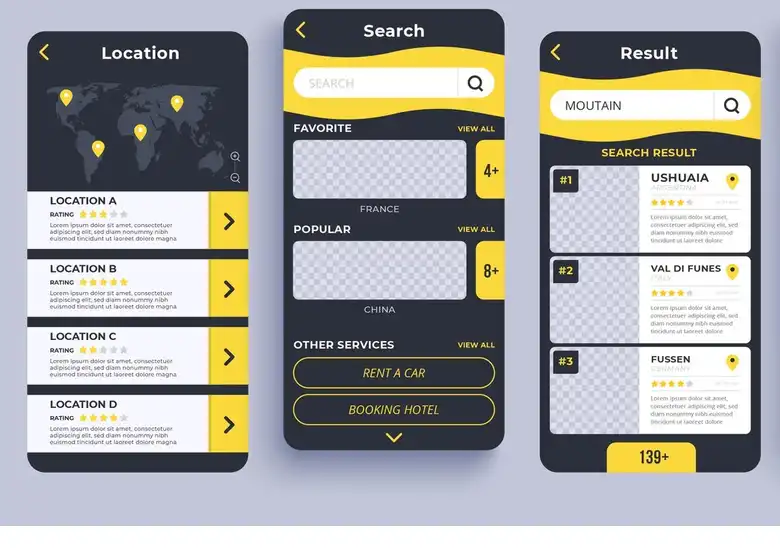
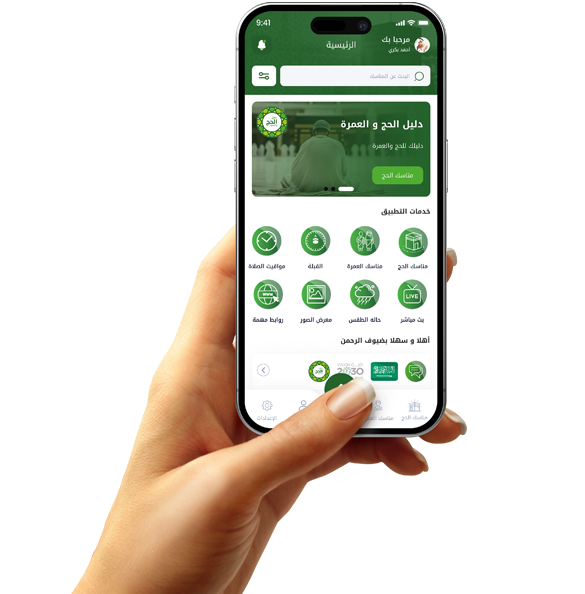
The success of an application is no longer defined solely by the number of features it offers or the variety of services it provides. Instead, the time it takes for a user to access a service has become a key metric for evaluating the quality of a digital experience. This has highlighted the importance of apps that allow for "instant access"—enabling users to open the application, explore its content, discover its capabilities, and utilize available functions without being forced to create a traditional account right from the start. This approach shifts the design focus toward the user’s needs, rather than prioritizing the collection of personal data from the very first moment. Furthermore, it allows developers to reorganize interfaces so that core services are clearly visible and the path to accessing them is shorter and more direct. For functions that do require additional data, the app can request the necessary information only when the user actually performs that specific action—rather than demanding it upfront. This creates a balance between ease of use and the operational requirements of the service.

Temporary Applications and Smart Sessions as an Alternative to Permanent Accounts
Relying on "smart sessions" is a technical trend poised to transform how applications are used in the coming years. This mechanism allows users to access and utilize services without the need to create a permanent account that stores all their personal data. The concept is based on establishing a temporary usage session, during which the user gains access to specific functions defined by the application’s rules. The system can retain certain choices made during the session, sparing the user from having to repeat steps when navigating between different screens. Furthermore, the session can be linked to a temporary technical identifier, facilitating the management of operations without requiring the creation of a traditional user profile. This technology is particularly valuable for applications offering quick services—such as checking prices, making preliminary appointments, browsing products, or viewing general information—where users often do not need to register their personal details to obtain the required service. The system can also be designed to allow a transition to a permanent account only when the user wishes to maintain a long-term history of their activities or synchronize data across multiple devices. This approach fosters a flexible experience that balances ease and speed of use with access to advanced services. It also enables companies to control session duration, permissions, and associated security levels. Consequently, the design of future applications will require software solutions capable of efficiently managing temporary sessions, ensuring that critical data is neither lost nor left vulnerable to unauthorized access.
The Impact of Registration-Free Access on App Download Rates and Customer Acquisition
Companies launching new applications face a significant challenge: persuading users to move from merely viewing an advertisement or visiting an online store to actually downloading the app and experiencing its services. Requiring users to create an account the moment they open the app can lead to hesitation or cause them to abandon the experience before even discovering what is offered. Consequently, offering immediate access—without the need for an initial sign-up—is a strategy worth considering when planning the launch of commercial or service-oriented applications. When users can access core content without having to input extensive data, the decision to try the app becomes much easier. This allows companies to demonstrate the true value of their services before asking for any further commitment from the user. Such an approach reduces friction during the early stages of the user journey and increases the likelihood that users will remain engaged. For instance, e-commerce apps can allow users to browse categories, view products, and compare prices before requiring a login at the point of purchase; similarly, booking apps can display available services and time slots before requesting the contact information necessary to finalize a transaction. This method gives users the chance to understand how the app functions before sharing their personal information, while also enabling business owners to gauge user interaction with various features more accurately. It is essential to evaluate the impact of removing mandatory registration by looking at conversion rates and the quality of the user base—rather than just the number of app launches—since the ultimate goal is to attract users who find clear value in the services provided. Therefore, developing an app that allows for immediate access can be a powerful marketing and technical move, helping to build a user base that is more genuinely interested and prepared for ongoing engagement.

The Future of E-Commerce: Shopping Without Account Creation
E-commerce applications are poised to evolve significantly in how they engage with customers, with a growing focus on providing a swift shopping experience that does not require users to create an account before exploring products, checking prices, or viewing available offers. It is now possible to design an in-app store that allows visitors to browse categories, search for products, and add items to a wishlist or shopping cart via a temporary session. Users can then provide their shipping and contact details only when they are ready to finalize their purchase. This approach lowers the barriers that might otherwise deter new customers from trying out a store; it also aligns the purchasing process with the expectations of users who prefer to complete their transactions without navigating unnecessary procedures. Businesses can implement flexible options that allow customers to complete orders as "guests," while offering the choice to create an account later to save purchase history and easily track future orders. Technical systems can link these temporary orders to secure tracking methods—such as an order number or a verification code sent to the contact information provided during checkout. Furthermore, administrative dashboards can be designed to distinguish between orders linked to permanent accounts and those made via guest sessions, facilitating streamlined operations, reporting, and the analysis of purchasing behavior. As competition among digital retailers intensifies, the flexibility to shop without registration may become a key advantage—enhancing the overall customer experience and enabling brands to attract new segments of consumers.