








The future of applications specialized in serving small and medium-sized enterprises

Smart Applications Open New Horizons for Startup Growth
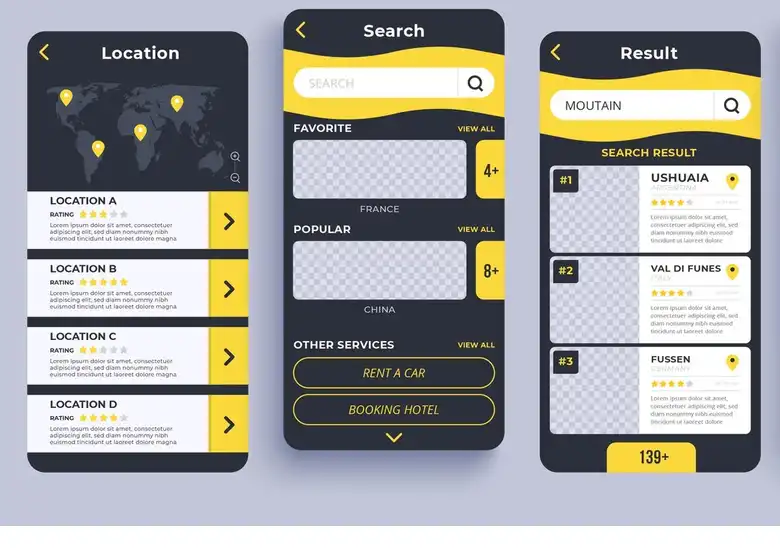
The rapid evolution of smart application technologies presents a significant opportunity for startups and small businesses to build more efficient operational models and reach new customer segments—all without the need for a massive operational infrastructure from the outset. A specialized application can consolidate various services and processes into a single digital space, allowing business owners to monitor their operations and manage daily details with greater ease. Such services may include processing purchase orders, scheduling appointments, managing bookings, tracking payments, sending customer notifications, and offering tailored promotions based on past user preferences. Furthermore, modern applications allow for the gradual development of services in line with the project’s scale and actual needs; a business owner can begin with core functions and subsequently add new capabilities as the user base expands or the nature of the business evolves. This flexibility helps avoid premature spending on features that may not be essential during the early stages. Specialized applications are poised to become a cornerstone of startup growth strategies, as they enable smaller ventures to offer structured services—reminiscent of those provided by large enterprises—while maintaining the agility and rapid decision-making capacity of a smaller organization. Consequently, collaborating with a professional software development firm to analyze the specific nature of a business and translate its objectives into a scalable digital system can provide a venture with a stronger foundation, well-positioned for future expansion.
Why Small Businesses Are Moving Toward Custom-Designed Applications
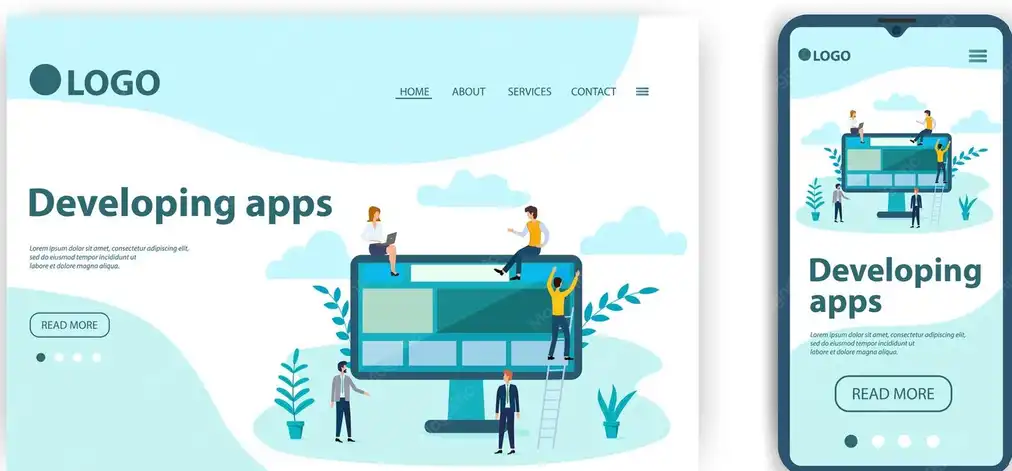
The needs of small and medium-sized enterprises (SMEs) vary significantly depending on their specific sector. An online store, for instance, requires tools to manage products, orders, and payments, whereas clinics and service centers need more specialized systems for scheduling appointments, maintaining client records, and delegating tasks. This demonstrates that relying on a generic, one-size-fits-all application is often insufficient to meet a business's full operational requirements. Consequently, there is a growing emphasis on applications designed specifically around the nature of a business and its unique objectives. Such solutions allow for the creation of intuitive, user-friendly interfaces and features directly aligned with daily operations—preventing staff from having to juggle multiple, disparate tools. Furthermore, a custom-built application helps centralize data, eliminates redundant information entry, and simplifies access to the reports a business owner needs to evaluate performance. It also enables the implementation of tiered access permissions, ensuring that employees can only interact with functions relevant to their specific responsibilities. As the application market continues to evolve, the ability to tailor features and integrate new services will become a key determinant of a digital solution's value. Therefore, partnering with a professional application design and development firm ensures the creation of a system that fits the business's current reality while providing the flexibility to scale and evolve, without the need for a complete structural overhaul at every new stage of growth.

The Role of Specialized Applications in Reducing Operational Burdens for Business Owners
Many small and medium-sized business owners struggle with a multitude of daily tasks that require constant oversight. Often, an owner must simultaneously monitor sales, track inventory, communicate with customers, record expenses, and supervise staff. This complexity makes managing the business more difficult and leaves less time for strategic planning and development. Specialized applications, however, offer practical solutions to distribute and organize these tasks through a digital system that integrates various operations, making information more accessible, clear, and readily available. By recording orders, sales, and expenses within an application, business owners can review business activity without relying on scattered ledgers or informal messages between employees. Furthermore, automated alerts can be set up to notify owners when inventory runs low, order fulfillment is delayed, or transactions require review. These features help identify issues early—before they escalate into losses that could threaten the business's stability. Another significant benefit is that these applications document daily procedures and facilitate the flow of information among team members, reducing reliance on individual, tacit knowledge—which could otherwise be lost if staff leave or responsibilities are reassigned. As automation and analytical tools continue to evolve, these applications will become increasingly capable of handling repetitive tasks, allowing business owners to dedicate their time to making decisions that generate greater value for their enterprises.
The Future of Multifunctional Applications in Supporting Business Expansion
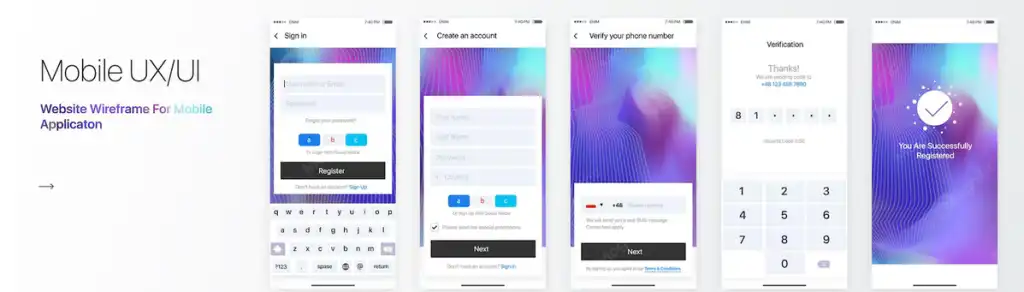
The future of applications designed for small and medium-sized enterprises (SMEs) is shifting toward more integrated systems that consolidate core business functions into a single platform. It is no longer practical for a business owner to rely on separate, disconnected applications—one for sales, another for inventory, and a different tool for customer management—while attempting to link them manually. Such an approach often leads to data redundancy, complicates the review of results, and hinders the ability to gain an accurate overview of overall performance. Consequently, multifunctional applications have emerged as a key trend in the design of digital solutions, enabling businesses to manage their operations in a cohesive, interconnected manner. A single application can handle product registration, inventory tracking, order processing, payment management, customer data updates, and report generation—all within a unified system. Furthermore, these applications can be linked to an administrative dashboard, providing the business owner with a comprehensive view of business activity and the ability to monitor the performance of various branches or staff members from one central location. This integration becomes increasingly vital as a business expands—whether by opening new branches or introducing new products and services—as a structured technical framework simplifies the expansion process and eliminates the need to develop separate systems for each new phase. It is expected that these applications will continue to evolve, becoming more flexible in their ability to integrate with external services—such as payment gateways, delivery platforms, and accounting software—thereby offering small businesses the opportunity to build integrated operations that support growth without adding unnecessary administrative complexity.