







The app's incompatibility with different devices is a loss that is difficult to compensate for.
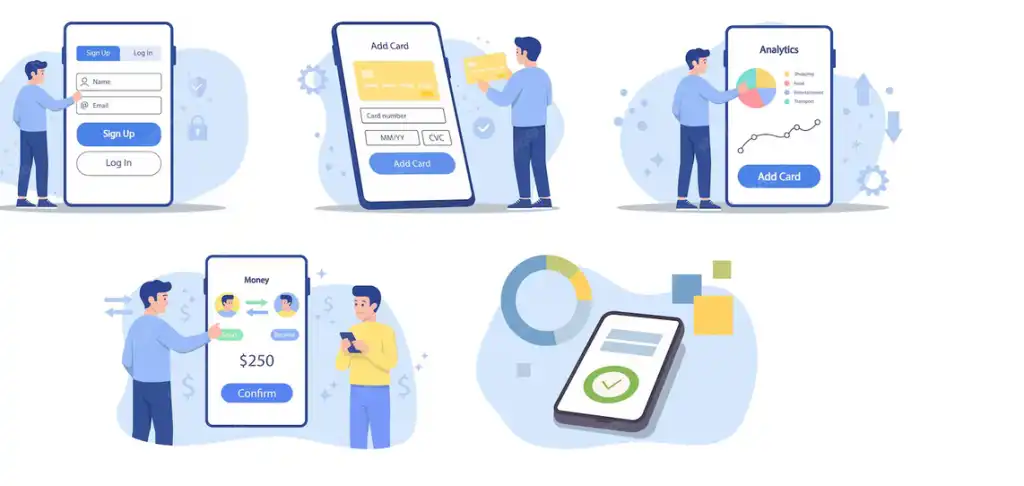
Screen size discrepancies can completely ruin the user experience.
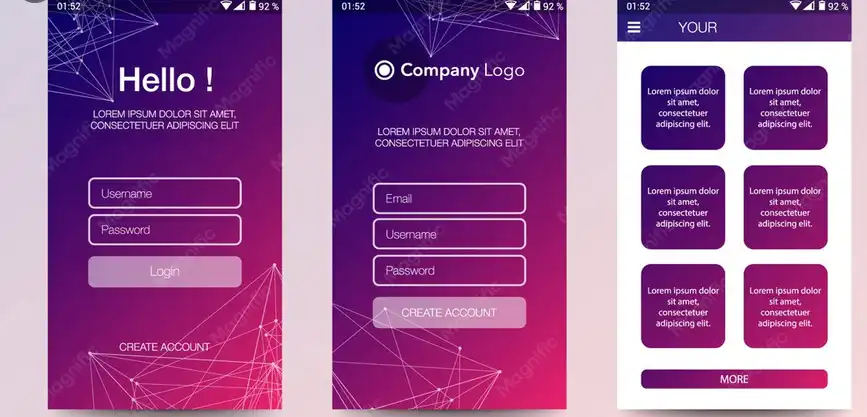
Users rely on the app interface to easily access all services. However, when interfaces aren't designed to adapt to different screen sizes, elements begin to appear disorganized. Buttons may overlap with text, parts of images may disappear, or menus may become unusable. This makes the user feel that the app is unprofessional, regardless of how excellent its services may be. Therefore, app developers prioritize using flexible designs that automatically adapt to all screen sizes, whether it's a small phone screen or a large tablet. All pages are practically tested on multiple devices to ensure that every element appears correctly without any distortion. Fonts, icons, and button sizes are also optimized to suit different resolutions. Small details in the user interface make a significant difference in user satisfaction. The more comfortable the visual experience, the more confident the user becomes and the longer they continue using the app. Conversely, neglecting interface compatibility leads to higher app deletion rates and a decline in ratings in a short period.

App compatibility with older versions increases customer base.
Many entrepreneurs focus solely on the latest phones, while a significant segment of users still rely on devices with older operating system versions. If an app isn't compatible with these older versions, the project will lose a substantial portion of its target audience without even realizing it. Therefore, professional software development companies work to determine the minimum operating system version required to serve the largest possible number of users without compromising performance or security. All critical features are tested across different versions to ensure consistent functionality. Software solutions are employed to guarantee compatibility with older devices whenever possible. Expanding the range of supported devices translates to increased downloads, reaching new customers, and improving the app's chances of success in various markets. It also reduces complaints related to app installation or launch issues, directly impacting project growth and the achievement of business goals.

The Impact of Different Phone Processors on App Performance
An app may appear perfect during development, but the reality is that the different types of processors used in smartphones can lead to unexpected problems when running it. Some devices rely on high-performance processors, while others use budget-friendly processors with limited capabilities. If the app isn't programmed to account for this diversity, users may experience slow page loading, delays in executing commands, or sudden crashes when using certain features. This directly impacts user satisfaction and trust in the app. Therefore, app development companies prioritize performance testing on multiple devices with varying specifications and optimize the code to reduce processor and memory consumption. They also employ smart data loading techniques and minimize unnecessary background processes to ensure a stable user experience for everyone. Performance is analyzed using specialized tools that identify weaknesses before release. A successful app is one that delivers consistent quality whether the user has a budget phone or a flagship device. This translates to wider adoption, fewer complaints, and higher app ratings in app stores.

Application compatibility with operating system updates protects your project from malfunctions.
Operating system companies continuously release new updates that add features, improve security, and change some application functionality. If these updates are not kept up-to-date, the application may stop working correctly or some of its functions may become unusable after installing the new version. Therefore, professional software development companies constantly test the application against beta and official versions of operating systems to ensure continued compatibility. The source code is also updated to meet new requirements and any errors resulting from technical changes are fixed. Furthermore, user feedback is monitored after each update to respond quickly to any emerging issues. Maintaining application compatibility with the latest versions prevents user loss, preserves service stability, and strengthens customer trust in the project in the long run.