







How to track your app project with the software development company without getting into technical details.
How to Know If Your App Project Is on the Right Track
You do not need to know programming languages or server architecture to ensure your app project is moving in the right direction; there are practical indicators a project owner can easily monitor, such as adherence to the agreed-upon schedule, screen development, the implementation of agreed features, and the ability to test completed components. You can request a demo version at the end of each stage to test what has been built, rather than waiting until the project concludes only to discover significant discrepancies between the original concept and the final result. Additionally, each stage can be compared against the initial requirements list to identify completed items versus those still in progress. Holding short, organized meetings with the development team to discuss outcomes—rather than long meetings focused on technical minutiae—is highly beneficial. During these meetings, the project owner can ask direct questions: What has been accomplished? What is ready for testing? Which requirements need a decision? What is the expected timeline for the next stage? These questions provide a practical overview of project progress without requiring an understanding of the underlying code, while also helping to detect delays or scope changes early on. A clear approval process can also be established for each stage, ensuring the project does not move forward until key deliverables have been reviewed. This transforms project monitoring into a straightforward process based on tangible evidence and results, rather than the owner's ability to grasp technical programming details; ultimately, this approach grants the owner better control over the project while leaving technical execution to the specialists.
Practical questions to help you monitor the software development company
App owners can use a set of simple questions during progress meetings to gain a clear picture of the project without getting bogged down in technical details. Key questions include: What has been accomplished since the last meeting? Which features are ready for testing? What will be implemented in the next phase? Are there any points requiring a decision from the project owner? Is there any expected change to the timeline? One can also ask about features requiring review and whether previous feedback has been incorporated. Furthermore, requesting a live demonstration of completed sections—rather than relying solely on theoretical explanations—helps shift the meeting from a lengthy technical discussion to a practical review of results. Project owners can also request a written summary after every meeting outlining decisions, tasks, responsibilities, and deadlines, thereby minimizing the risk of misunderstandings. Establishing a priority list ensures the team knows which functions to implement first and which features can be deferred. It is beneficial to align questions with the app’s goals and user experience rather than coding specifics; the specialized company is responsible for selecting the appropriate technical solution, while the project owner defines the app's requirements and desired outcomes. This approach allows the project owner to continuously monitor progress and make timely decisions without needing to become a programmer or manage unnecessary technical details.

A project tracking dashboard simplifies communication with the software development company.
Having a clear project tracking dashboard serves as a practical tool, allowing the app owner to monitor the status of each project component without needing to understand the technical details occurring behind the scenes. The dashboard can feature a list of required features alongside a simple classification system—indicating what has not yet started, what is currently in progress, what is ready for review, and what has been approved. This enables the project owner to check the overall status at any time, rather than relying on scattered messages. Furthermore, each feature can be linked to relevant notes, target deadlines, and its specific project phase. This approach also helps the development team organize their work, set priorities, and ensure that agreed-upon requirements are not overlooked. Short, periodic meetings can be used to review and update the dashboard’s status, avoiding the need to discuss every minute detail in every meeting. Ideally, the terminology used on the dashboard should be easily understood by the project owner—displaying feature names, statuses, and review dates rather than complex file names or technical task codes. A dedicated space for notes and decisions can also be included to create a centralized project reference; comprehensive documentation minimizes the risk of misunderstandings between the app owner and the development company. Additionally, the project owner can identify delays or scope changes before they escalate. Ultimately, using an organized tracking system facilitates smooth project management, even for those without specialized technical knowledge.
Focus on results at each stage, not on the code itself.
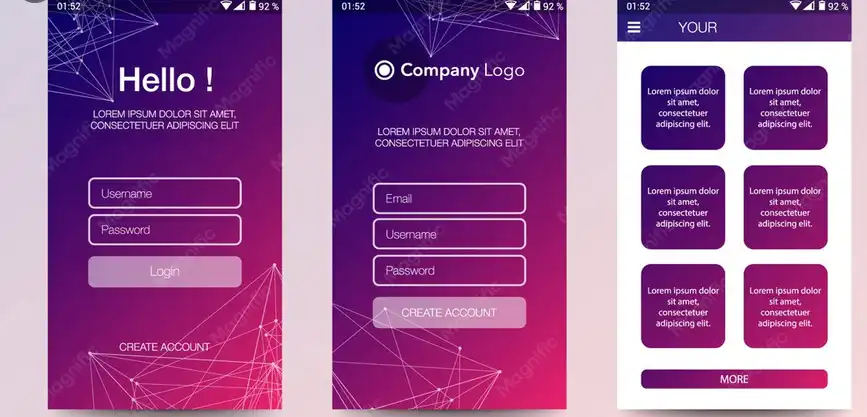
Focusing on the code can make tracking the development project difficult for a business owner without a technical background. Therefore, it is better to base progress monitoring on tangible results that can be seen, tested, and measured. For instance, when the company works on a login screen, the business owner does not need to understand the underlying programming; instead, they need to verify that users can register as intended, that error messages are clear, and that the screen functions correctly. Similarly, when implementing an ordering system, the focus can be on the user journey—from product selection to order confirmation—rather than on which specific code files were modified. This approach aligns discussions more closely with project goals and enables the business owner to better identify potential issues. Agreements can also be made to have the company present a working prototype after each set of tasks, allowing the owner to experience the results firsthand. Furthermore, simple acceptance criteria—such as ease of use, functional completeness, and adherence to the agreed-upon visual design—can be established for each feature. This method avoids getting bogged down in details that add no real value to the monitoring process, as the development company is responsible for selecting the appropriate technical tools and methods to meet requirements, while the business owner focuses on the end-user experience. Consequently, progress tracking becomes clearer, and evaluation is based on the actual product rather than the volume of coding work performed behind the scenes. The beta version of the app offers the project owner a valuable opportunity to monitor progress practically by interacting with the actual product rather than relying on theoretical explanations. During testing, one can focus on the natural user journey—identifying unclear steps, functions that do not work as expected, or screens that deviate from the agreed-upon design. It is helpful to create a simple checklist of core operations to test in each version, such as account registration, logging in, searching, adding products, completing orders, sending notifications, or utilizing any project-specific key functions. After testing, observations can be clearly documented, noting the specific screen or step where an issue arose. These notes can then be sent to the development company in an organized file rather than as a series of scattered messages; this approach accelerates the review process and minimizes the risk of overlooking any feedback. It is also advisable to re-test previously fixed issues in the subsequent version to confirm they have been fully resolved. The project owner can focus on what they see and experience without needing to understand the underlying technical causes, as identifying the root cause and implementing the appropriate solution is the developer's responsibility. Thus, beta versions become a practical monitoring tool that integrates the app owner into the review process without requiring them to delve into complex technical details.