



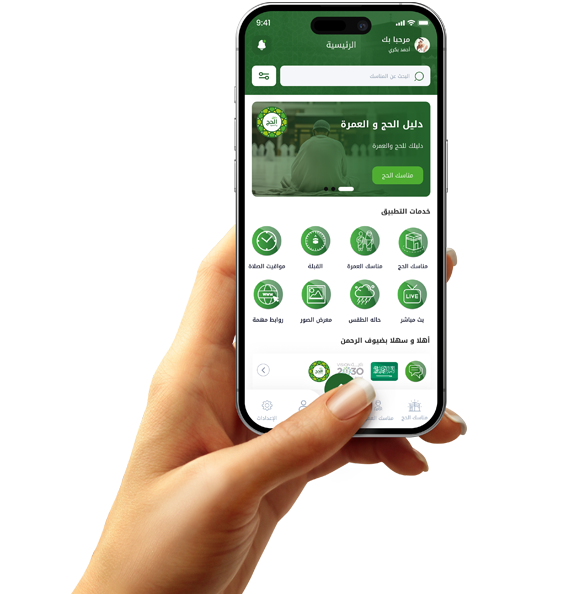




How to Determine a Suitable Budget for Developing Your App
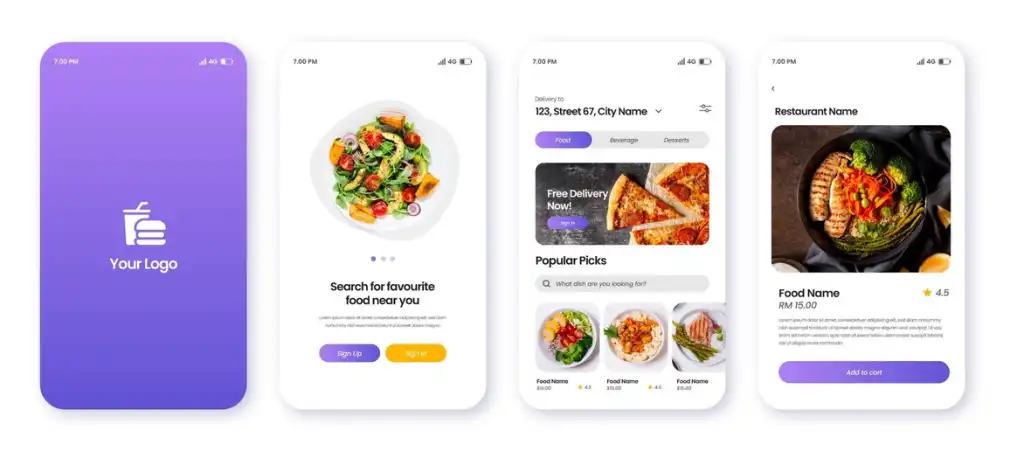
How to Set a Smart Budget Before Contracting a Software Development Company
Setting a smart budget for app development requires viewing the project as a comprehensive business investment rather than a one-off software service. Therefore, before determining how much you can spend on development, you must first define the value the app will deliver to customers and how it will generate revenue, reduce costs, or improve operations.
Once you understand the app's business objective, you can identify the specific features that directly support that goal. This allows you to avoid adding numerous functions simply because they appear in other apps, even if they offer no real value to your own project.
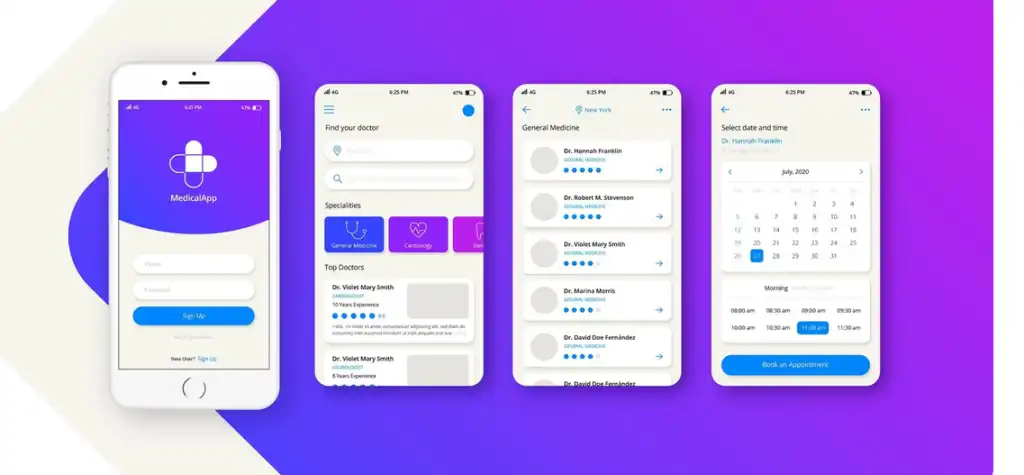
Factors Influencing App Development Costs
App development costs vary from project to project due to differences in functionality, required technologies, the number of platforms, data volume, and user management methods. Consequently, a fixed price cannot be applied to all apps, even if they appear similar on the surface.
The number of features within the app is a primary factor affecting cost; each new function requires analysis, design, programming, testing, and potentially integration with external services.
A simple app offering a single service with a limited number of pages differs vastly from a platform featuring multiple account types, varying permission levels, payment processing, notifications, chat functions, real-time tracking, and rating systems.
Furthermore, the inclusion of an advanced dashboard increases the project's scope, as it requires interfaces for managing data, users, orders, reports, and various settings.
The number of user roles also impacts the budget; an app involving customers, service providers, and administrators requires distinct systems, access permissions, and interfaces for each party.
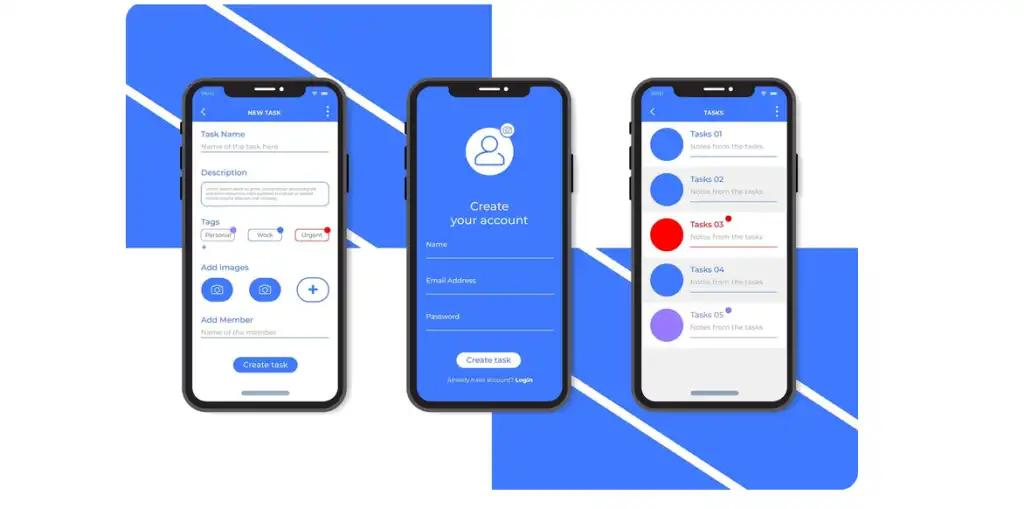
Setting the Right Budget Begins with Prioritizing App Features
Prioritizing app features before setting a budget helps project owners direct funds toward functionalities that deliver real value, rather than spreading the budget across a multitude of functions that users might not need initially.
When establishing priorities, you should identify the app's core function—the primary purpose it was created to serve—and make that function the focal point around which all other components are built.
For instance, if the app is an online store, features such as product display, search, the shopping cart, payment processing, and order management take precedence over dozens of secondary features that can be deferred.
Conversely, if the app is a booking platform, the workflow—selecting a service and time, payment, confirmation, and notifications—is more critical than entertainment or supplementary features.
This approach facilitates the creation of a focused initial version capable of entering the market quickly, allowing you to test the concept's viability before scaling the project.
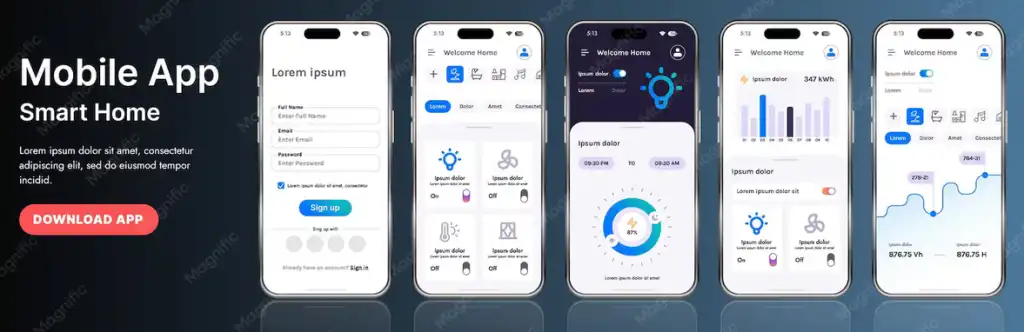
Should the budget cover only design and programming costs?
A common mistake when budgeting for app development is accounting solely for design and programming costs, overlooking other expenses essential for getting the app to users and ensuring its stable operation post-launch.
While design and programming are fundamental to the project, they do not constitute the entire investment; the app also requires testing, store preparation, hosting, third-party services, maintenance, updates, and marketing.
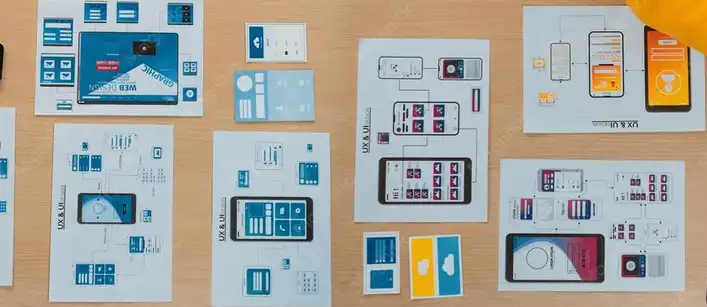
Costs typically begin with the requirements analysis phase, where the general concept is translated into specific features, screens, and user flows—a stage that helps minimize errors and define the project scope.
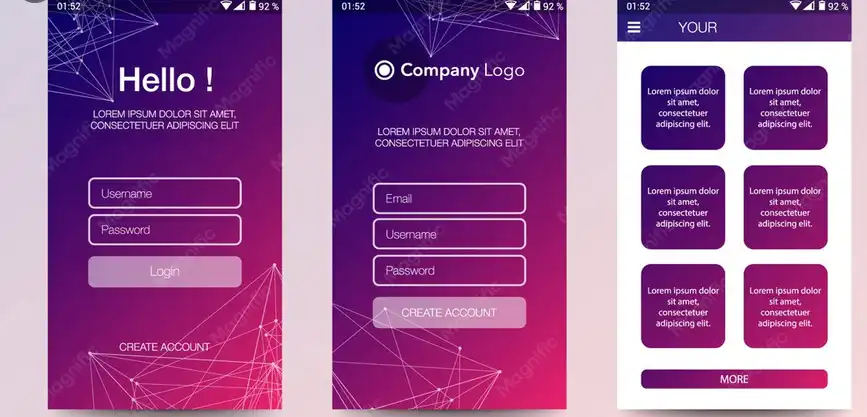
Next comes User Experience (UX) and User Interface (UI) design, determining the app's visual style, navigation, button and information placement, and the execution of various functions.
Then follows the programming phase, which involves building interfaces, connecting them to the database, developing backend services, setting up the control panel, and integrating necessary external systems.
Once programming is complete, testing takes place—a step that must not be overlooked during budgeting, as detecting and fixing bugs prior to launch requires time, effort, and resources.