



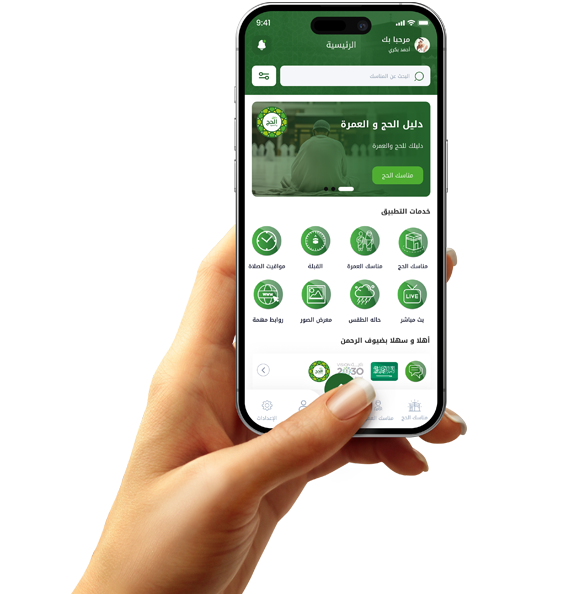




How to design an application for managing service centers
Building an Integrated Digital Platform for Service Center Management
Designing a service center management application requires creating a digital platform that integrates customer management, bookings, services, staff, payments, and reporting into one place, instead of relying on separate tools.
The process begins by defining the user types within the platform, as customers, employees, managers, and business owners each require a different interface and permissions tailored to their specific roles.
Customers should be able to quickly create an account, browse available services, view prices, select a branch, and easily schedule appointments.
Employees need a screen displaying their daily schedule, required services, and the necessary data for each request.
Managers require a more comprehensive dashboard to monitor all branches, employees, bookings, revenue, and service performance.
The system must be able to update booking status in real time so customers know whether their appointment is confirmed, in progress, completed, or canceled.
The application should also support center capacity management to prevent the number of appointments from exceeding the staff's ability to provide service within the allotted time.
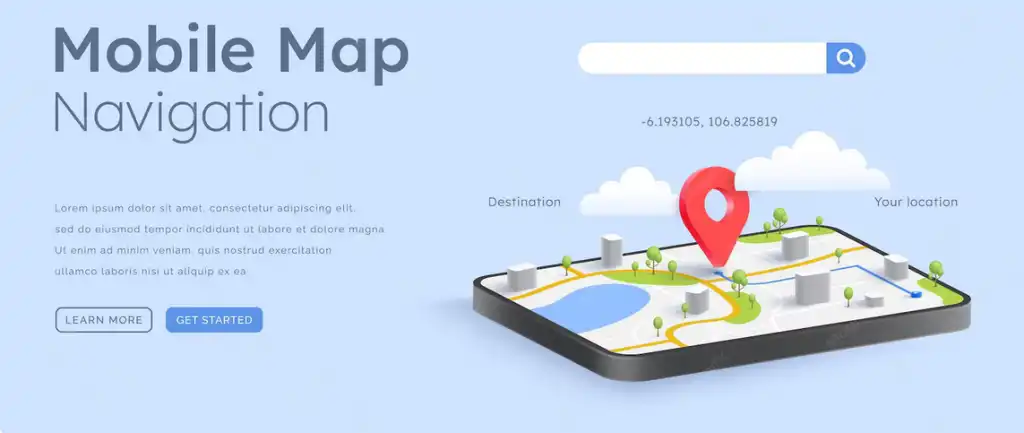
Designing a Professional Appointment Booking System for Service Centers
An appointment booking system is one of the most important elements to focus on when designing a service center application, as it represents the primary point of contact between the customer and the center.
The booking process should begin with selecting the required service, then specifying the branch, and finally selecting the employee if needed. Available times should then be clearly displayed.
Available appointments should be calculated automatically based on the service duration, operating hours, and the number of employees present at any given time.
The system should also prevent the acceptance of two conflicting bookings for the same employee, supplier, or service area if the service requires a specific supplier.
An option to select the earliest available appointment can be added if the customer is not particular about a specific time and wants to receive the service as quickly as possible.
A confirmation message containing all the booking details should be sent immediately after the process is completed.

Employee Management Through a Service Center Application
Service centers need a digital system to help them organize their employees, track schedules, tasks, bookings, and performance levels more accurately than traditional methods.
The application should allow for the creation of a profile for each employee, including their basic information, specialization, working hours, and the services they can provide.
Employees can also be linked to the branches where the organization works if it has multiple locations.
The system can create a work schedule for each employee, specifying start and end times, days off, and rest periods.
This schedule must be integrated with the booking system to ensure that customers are not shown appointments that are not actually available.
Employees can view their appointment list through an internal application or a dedicated section within the app.
Employees can access booking details to see the type of service, time, and customer information necessary to complete the service.
They can also update the order status and add notes after service completion, providing management with a clear record of the process.
Booking data can be used to measure the number of services each employee completed within a specific period.
Management can also compare performance rates and evaluations to identify employees who need additional training or support. It is important not to turn the employee evaluation system into an unfair pressure tool, but rather to use the data with the aim of improving the quality of work.
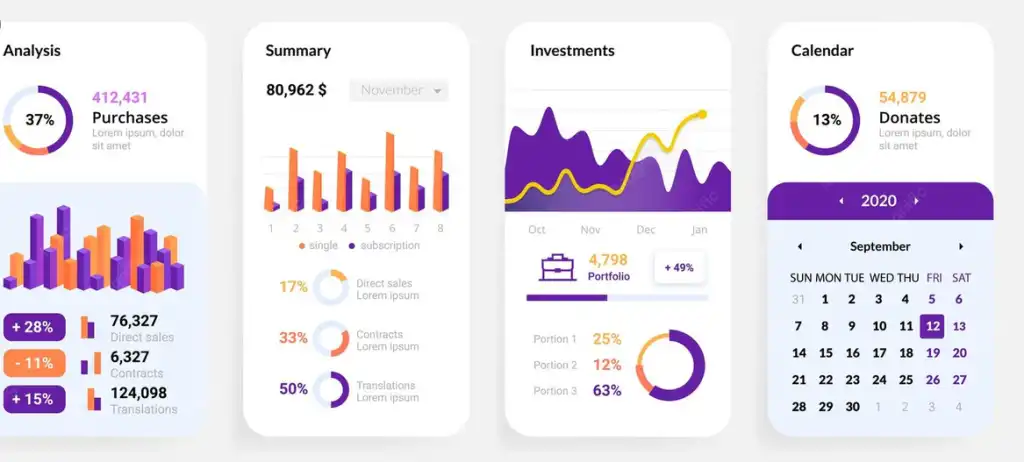
Electronic Payment within Service Center Applications
Electronic payment has become a crucial component in many service applications, and therefore, it must be planned for from the initial stages of application design.
Customers should be able to see the final price of the service before selecting a payment method to ensure a clear and transparent process.
A payment gateway suitable for the target market and supporting the payment methods customers actually use should be chosen.
The payment process should be streamlined so customers don't have to navigate through multiple pages to complete it.
Payment failures should be handled clearly, informing the user whether the booking has been confirmed or not.
It is essential to prevent duplicate bookings if the payment is successful but there is a delay in updating the booking status.
All financial transactions within the system should be recorded in a way that allows management to access them when needed.
An electronic invoice should be automatically generated after a successful transaction and made available in the customer's account.
A notification confirming successful payment and booking should be sent simultaneously.