






How to design an app for furniture moving services and order tracking

The ease of ordering a moving service is key to the app's success.
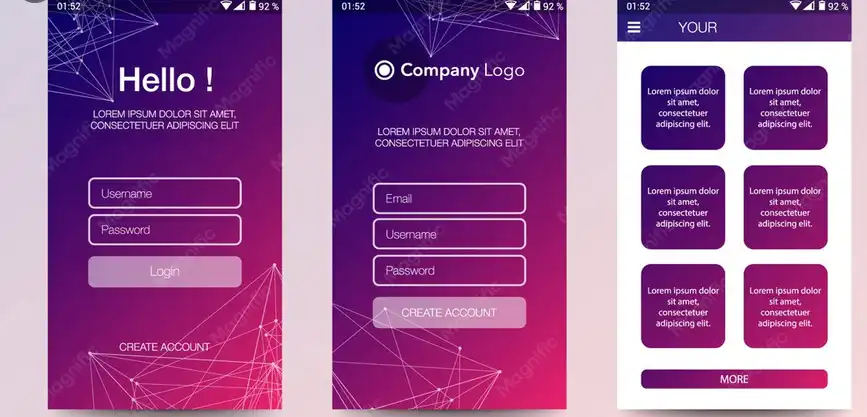
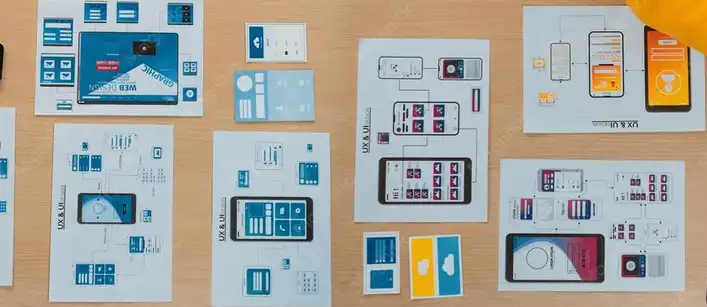
When a customer considers using a furniture moving app, they often look for a faster and easier way than searching for moving companies, calling multiple numbers, and explaining the details of the request each time. Therefore, the app's design should be based on a simple request form that allows the user to enter basic information such as the pickup and delivery addresses, the moving date, and the type of location (apartment, villa, office, or shop). The app can then request additional information to help determine the scope of the service, such as the number of rooms, the number of large items, and whether there are electrical appliances or furniture that needs to be disassembled and reassembled. The option to upload photos can also be provided so the team can get a clearer picture of the job before providing a final price. It's important that the customer feels all the steps are interconnected and that they can go back and edit their information before confirming the request. A comprehensive summary before payment or dispatch helps minimize errors. This summary page can include the estimated price, additional services, the chosen date, and the payment method. The shorter and clearer the ordering process, the more likely the customer is to complete the booking. Successful service apps don't rely solely on a multitude of features, but rather on eliminating unnecessary steps and making access to the required service possible with minimal time and effort.

The Importance of Real-Time Furniture Moving Team Tracking
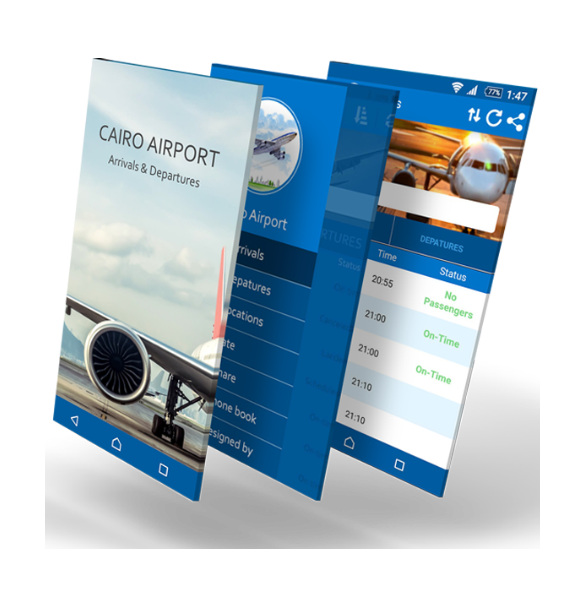
Order tracking is one of the most important features that can be added to a furniture moving service application. It gives the customer greater peace of mind and reduces waiting times and uncertainty about when the moving team will arrive. After booking confirmation, the application can display the order stages, from data review and booking confirmation to team preparation, vehicle departure, arrival at the customer's location, loading, and then movement to the new location. In some cases, a live map showing the vehicle's location during the order execution can be provided, if the service allows. Automatic notifications can also be sent whenever there is a significant change in the order status, so the customer doesn't need to contact customer service repeatedly. This feature also helps the company monitor operations, track vehicle locations, and estimate arrival times. Supervisors can intervene if there are delays or problems along the way. Therefore, the tracking system not only benefits the customer but also becomes part of the internal operational system, helping to manage the fleet, optimize order distribution, and reduce wasted time between different tasks.

How Maps Help in Developing a Furniture Moving App
Maps and location services are essential when designing a furniture moving app because the service relies directly on knowing pickup and drop-off locations, calculating distances, and directing the moving team to the correct address. The app can allow the customer to pinpoint their location directly on the map or enter a detailed address and add a landmark to help the team reach them easily. Frequently used addresses can also be saved to facilitate future ordering. Maps also help calculate the distance between locations and provide an initial estimate of trip time. Management can use this data to allocate drivers to nearby requests and minimize unnecessary distances. Alerts can also be added for hard-to-reach areas or locations requiring vehicles of a certain size. The more effectively the mapping system is integrated, the more precise the moving process becomes, and the less time is wasted due to unclear addresses. This is especially important in large cities and areas with similar streets or large residential complexes.

Driver and Worker Management Through an Integrated Control Panel
A furniture moving service application is incomplete without a robust control panel that helps the company manage all behind-the-scenes operations. Through this panel, management can track and confirm new orders, assign them to the appropriate teams, and monitor the status of each move. Driver and worker profiles can be created, containing their data, current tasks, and order history. Supervisors can see the available team in each area and select the nearest vehicle to fulfill the new order. The control panel also helps manage postponed or canceled orders and reschedule appointments as needed. Reports can be generated on the number of daily orders, revenue, execution times, and the areas with the highest demand for the service. This data helps project owners make better decisions regarding the number of vehicles required or increasing staff in a specific area. Therefore, the application's success depends on the integration of a simple customer interface with a management system capable of efficiently organizing daily operations.