







How to choose the core features of your application without increasing programming costs

Building a Prototype Focused on Essential Functionality
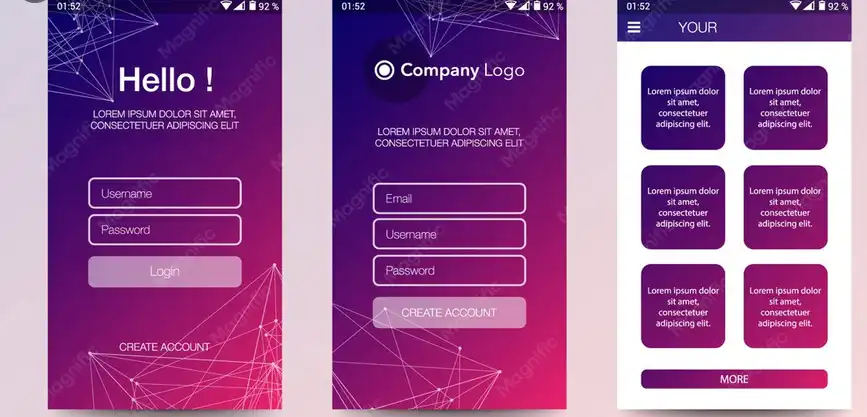
The prototype of an application should focus on the functions that make the idea truly usable, rather than trying to add every conceivable feature from day one. The goal of the initial phase is to test the idea and gauge user interaction. Therefore, a limited set of features that constitute the core user journey, such as account creation, login, browsing, searching, and performing the main action for which the application was designed, can be selected. After launching this prototype, feedback and data can be collected to determine which features the audience actually needs, instead of relying on guesswork. This approach helps reduce the initial programming cost because it prevents the development of numerous functions before confirming their necessity. It also allows the project to be incrementally improved based on real-world usage, not theoretical concepts. It's crucial that the prototype is comprehensive in terms of user experience, even if it's limited in the number of features. Users prioritize achieving their goals easily over the number of buttons and options within the application. Therefore, reducing features doesn't mean delivering a weak application; it means focusing on what creates real value. With each phase, new functions can be added according to priority and expected return. In this way, programming costs transform from a large expenditure on uncertain features into a gradual investment based on tangible results.

Choosing Features Based on Audience Needs
It's impossible to accurately define the core features of an application without understanding its target audience. What's considered essential for one group might be completely unnecessary for another. Therefore, it's crucial to study the nature of the users, their goals, their level of technical expertise, and how they use the service. If the audience prioritizes speed, quick search and intelligent filtering might be more important than adding a comprehensive social system. If users rely on recurring requests, order reordering and request history might be more valuable than additional entertainment features. Understanding audience behavior helps prioritize features instead of building the application solely according to the project owner's wishes. Interviews, surveys, competitor analysis, and direct observation can provide a better understanding of actual needs. The more features are aligned with actual user behavior, the more likely they are to be used and utilized. Conversely, features based on guesswork increase costs without guaranteeing value. Therefore, studying the audience before development is one of the best ways to control the project budget, as it helps direct resources toward features that can truly impact the application's success and continued use.
Avoid Copying All Features of Competitor Apps
Just because a competitor app has dozens of features doesn't mean your project needs to copy them all. Successful apps differ in their target audience, business model, goals, and development stages. Therefore, copying features completely can bloat the project and increase costs without giving your app a real advantage. It's better to analyze competitors to identify the features that provide genuine value to the user and then choose those that align with your project model. You should also look for opportunities that competitors haven't addressed instead of trying to offer a carbon copy. A simpler, faster user experience might be better than a larger number of functions. Furthermore, you can study user reviews of competitor apps to understand the problems they face and the features they consistently request. Then, use this information to prioritize your project. In this way, competitor analysis becomes a way to discover market needs, not a set of instructions to copy everything. Avoiding copying also reduces the time required for design, programming, and testing, and allows you to direct the budget toward the feature that truly differentiates your app. Therefore, an app with fewer features can be more successful than one that tries to incorporate every feature available in the market.

Avoid Features That Don't Serve the Revenue Model
When choosing app features, it's crucial to understand the relationship between each function and the business model and revenue streams. Some features may seem appealing but don't contribute to increased usage, sales, subscriptions, or any other revenue-generating activity the project relies on. Therefore, a simple question should be asked before adding any feature: What business value will this feature provide? If there's no clear answer, it's best to postpone it. Furthermore, some features can increase operating costs, not just programming costs, such as systems requiring massive storage, continuous processing, or paid external services. Therefore, the impact of a feature on the app's lifecycle, not just the initial development cost, should be considered. Focus on features that support user-to-customer conversion, improve user retention, and reduce the steps involved in purchasing, booking, or ordering. This makes features part of the business strategy, not just technical additions. This mindset helps the project owner build a more economically efficient application because each implemented function is linked to a clear, measurable objective, thus reducing the likelihood of spending the budget on features that don't deliver a real return.