





Having maps within the app reduces waiting time for the user.
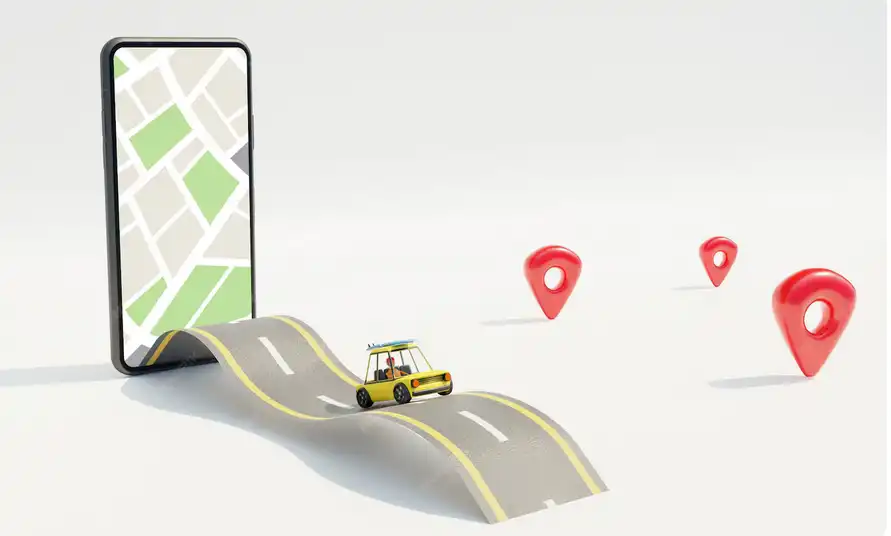
How to Make Your Waiting Experience Shorter and Smarter: In-app maps are professionally integrated, transforming the waiting experience from a passive one to an interactive and informative one. Users can track their order's progress step by step, reducing boredom and anxiety. Seeing the delivery person's actual route fosters transparency and increases user confidence in the service. Maps also provide real-time updates, allowing for more accurate estimated arrival times. This reduces the need for frequent calls to customer service. Furthermore, this intelligent system optimizes order allocation based on proximity, significantly reducing response times. With technological advancements, maps now rely on precise traffic data, leading to more realistic time predictions. This, in turn, enhances user satisfaction and increases the likelihood of repeat business. Therefore, in-app maps are not just a feature; they are a comprehensive system for time management and improving the customer experience.
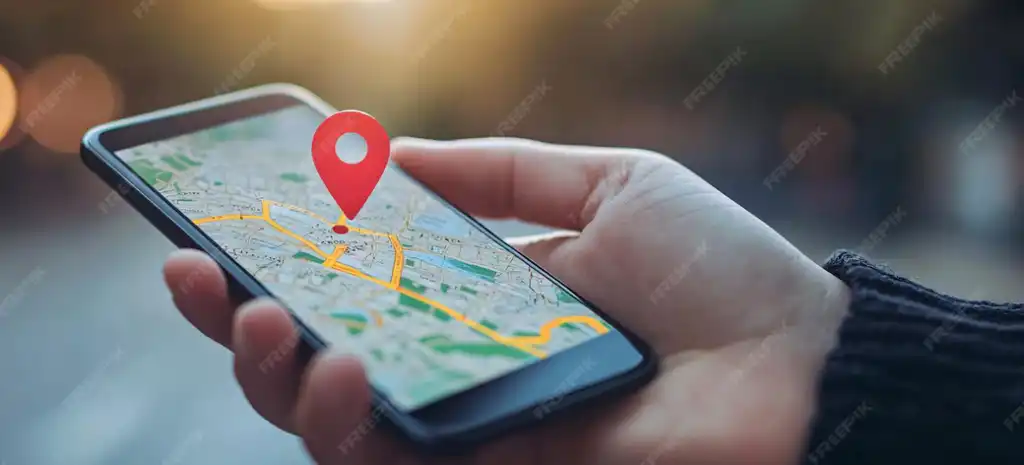
Enhancing User Experience Through In-App Map Order Tracking
In-app map order tracking represents a significant leap forward in user experience. It keeps customers informed at every step of the service process, greatly reducing the stress of waiting indefinitely. Seeing order movement on the map fosters transparency and credibility. Furthermore, this system minimizes the need for direct contact with technical support, saving time and effort for both parties. Users gain greater trust in the app when they see that everything is organized and clear. Over time, this feature becomes a key element in app evaluation. Businesses that utilize maps can significantly improve their operational performance by better monitoring and distributing orders. Therefore, this technology not only enhances the user experience but also boosts the overall system efficiency.

Smart Maps Within Apps and Their Role in Reducing Waiting Time
Smart maps within apps have become one of the most important solutions for significantly reducing waiting times. They rely on real-time traffic and congestion data, allowing for the identification of the fastest possible route. This technology also provides users with a clear view of the order status, reducing uncertainty. Furthermore, using maps contributes to improved delivery management and more efficient task allocation, leading to a reduction in overall response time. An app becomes more professional when it offers a precise and real-time tracking experience. With the development of mapping systems, they have become capable of adapting to real-time changes in traffic conditions, increasing the accuracy of time predictions. This feature is therefore considered one of the most important factors determining the success of modern apps in the competitive market.

How Maps Contribute to Improving Delivery Speed Within Apps
In-app maps play a pivotal role in improving delivery speed because they allow delivery drivers to choose the best and fastest routes based on real-time traffic data. This reduces time wasted on congested or unsuitable roads. The system also helps direct orders to the nearest driver geographically, significantly reducing response time. Furthermore, maps minimize address errors, preventing delays caused by incorrect addresses. With this technology, the app can manage operations more intelligently and efficiently. Users directly benefit from reduced waiting times, and with repeated use, they perceive the service as faster and more professional. Therefore, maps are a fundamental element in enhancing delivery efficiency within any modern app.
Having maps within the application not only contributes to reducing waiting time but also plays a major role in enhancing user trust in the service. Seeing the order moving on the map directly gives a sense of transparency and credibility. The user feels that the application is not hiding any details from him, and this greatly increases the level of trust. In addition, the ability to track the order moment by moment reduces anxiety and increases customer satisfaction. This system also reduces the need for constant communication with customer service, making the experience more convenient. Over time, this feature becomes a major reason for the user to stay within the application and not switch to competitors. Therefore, maps are considered an essential element in building trust and improving the user experience at the same time.