







Faster page loading speed within the application reduces the exit rate.

Slow page loading drives users to abandon the app immediately.
An app with slow page loading loses a significant number of users daily, even if its services are excellent. The first thing a customer notices is responsiveness, not just design or content quality. Therefore, any slight delay while navigating between pages creates frustration, leading to a quick app exit. Users also associate slowness with a lack of professionalism, making them doubt the overall quality of service and reducing the likelihood of using the app again. Furthermore, slow loading affects sales and conversions because customers may abandon orders due to long waits, resulting in ongoing financial losses that business owners often don't notice. Slow apps are also frustrating for users, making the experience exhausting, especially for e-commerce, booking, or delivery apps that rely on speed and instant fulfillment. Therefore, improving the performance of internal pages has become a real investment that helps reduce exit rates and retain users for as long as possible.

Fast performance creates a comfortable user experience.
When an application is designed to ensure fast page loading, the user feels like they are interacting with an intelligent system that understands their needs and executes commands instantly without delay. This sense of ease significantly enhances the user experience and makes the customer more engaged with all the application's services. Seamless navigation between different sections fosters a sense of confidence and professionalism, encouraging users to explore more pages instead of just browsing and leaving. Furthermore, high speed reduces the stress of waiting and allows the customer to focus on important tasks such as payment, data entry, or order tracking. Fast applications are also more likely to retain users for longer periods because the daily experience becomes easier and more flexible, which directly impacts loyalty and repeat usage. Therefore, investing in speeding up internal pages is not a technological luxury but a fundamental step towards improving the overall quality of the application.

App speed increases order completion rates.
Many in-app purchases fail due to slow page loading, not price or product issues. Therefore, improving performance speed directly contributes to higher order completion rates and reduces purchase cancellations during the various steps. Furthermore, a fast app fosters a sense of security and confidence when entering data and completing payments, increasing the likelihood of a quick purchase decision. Fast loading also prevents customer distraction or migration to a competitor offering a faster and smoother experience. Speed also conveys a sense of professionalism, assuring users that the app relies on robust technologies capable of delivering a stable and efficient service. Consequently, improving the performance of internal pages not only enhances user experience but also directly contributes to increased revenue and higher conversion rates within the app.
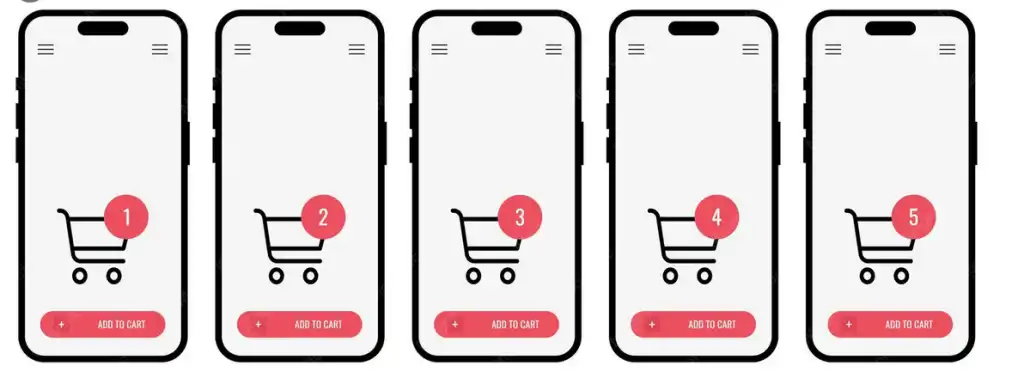
Speed is a key element in the success of e-commerce applications.
Any e-commerce application relies heavily on page loading speed because customers shopping online seek a fast and convenient experience that helps them find what they want in the shortest possible time. Therefore, any slowness while displaying products or navigating between pages can lead to a lost sale. Speed also increases customer trust in the application, making them feel that the service is professional and capable of easily meeting their needs. Furthermore, fast e-commerce applications achieve higher usage rates because customers always prefer platforms that save them time and effort while purchasing or browsing. Therefore, improving the application's internal performance is a necessary step to increase sales and significantly reduce the exit rate.