







Don't launch your app before testing every single touch within it.

Every untested touch could cost you a user.
When a customer presses a button that doesn't work, waits for a delayed page, or encounters an unclear step, they quickly become frustrated. Therefore, neglecting to test every aspect of the app before launch could mean losing users on day one. Customers don't know the amount of effort behind a project; they only judge it based on what they see. If the experience is confusing, they'll immediately switch to another alternative. That's why thoroughly testing every element gives the app a real chance of success and prevents minor errors from becoming significant losses after launch.
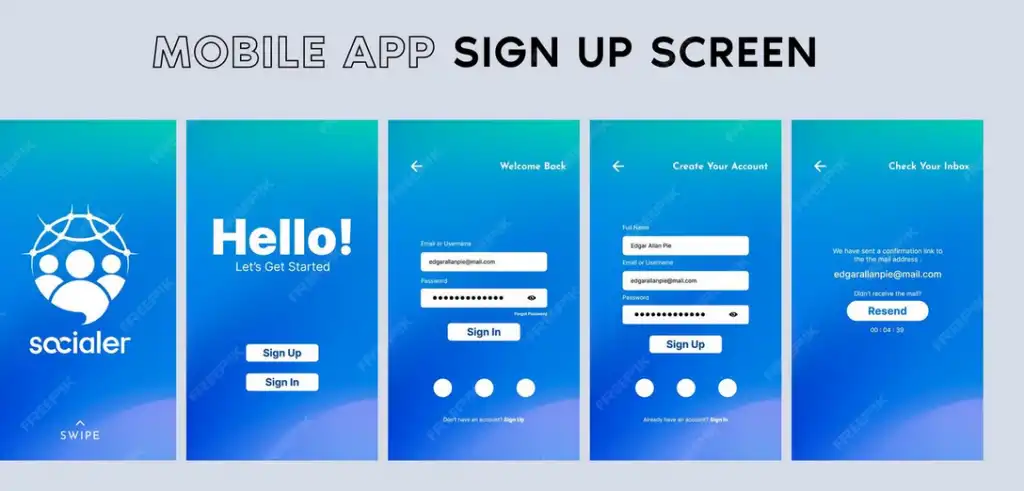
Why You Should Test the User Experience Before Launching
Before launching any application, you must go through the entire user journey, from the moment the application is opened until the desired goal is achieved, whether it's a purchase, booking, or communication. Any obstacle in this journey can ruin the entire experience. Testing every interaction helps identify distractions, errors, slowness, and unclear messages. It also shows the team where the user needs simplification or better guidance. This allows the application to be launched more mature and better prepared to earn customer satisfaction.
Don't let the customer discover your mistakes first.
One of the biggest mistakes is launching an app and then waiting for users to report problems. The first person to discover a bug is unlikely to return. Therefore, every component should be tested beforehand so the customer doesn't become a free tester, paying for the experience with their time and patience. When the app arrives free of fundamental flaws, the user feels confident and begins using it more comfortably. This is directly reflected in reviews and the overall impression.
A button may seem like a simple element, but it's actually the gateway to movement within the app. If it's small, unclear, slow, or unresponsive, the user will quickly lose their comfort. Therefore, testing every touch means examining the buttons in terms of placement, size, responsiveness, and clarity. A single bad button can disrupt the entire experience and prevent the customer from completing their desired action.

Testing the registration process makes a first impression.
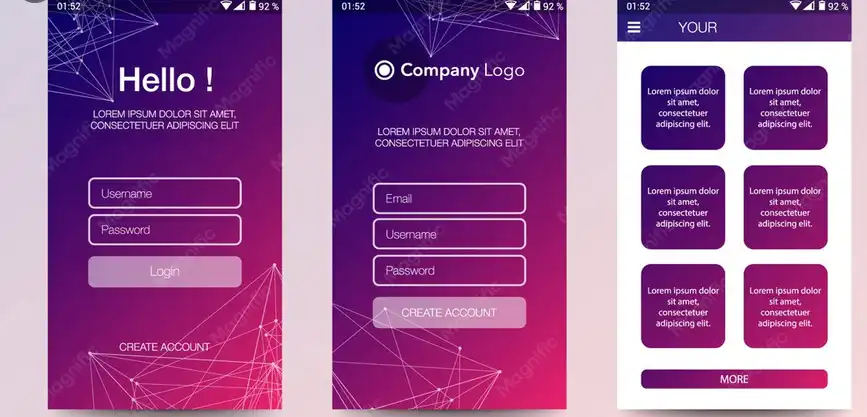
If the registration process is lengthy, complicated, or requires unnecessary steps, many users will stop before even beginning. Therefore, testing every aspect of the registration process is crucial, including ease of data entry, clear messages, and fast activation. A smooth start means a greater chance of user retention.
The team that designed the app knows it intimately, but the user is seeing it for the first time. Therefore, every screen should be tested from the perspective of a newcomer, someone with no prior experience, to determine if the buttons are clear, the steps are understandable, and the information is well-organized. What seems obvious to the developer might be confusing for the customer.