






Designing travel booking and trip organization applications
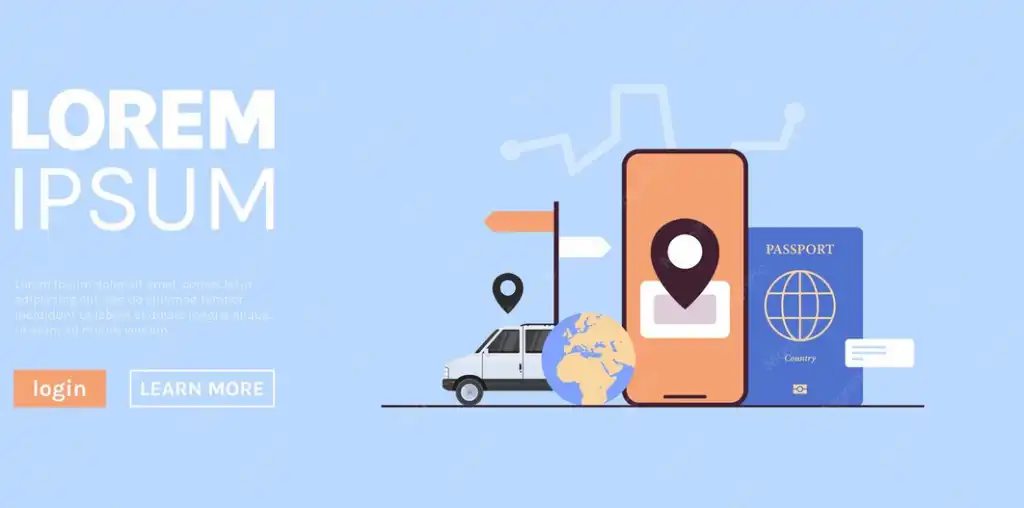
How Travel Apps Help Make Family Trips Easier
When planning a family trip, many people struggle to coordinate bookings, choose suitable hotels, and organize activities that suit all family members. This is where travel booking and organizing apps come in. They offer smart solutions that help users manage the entire trip from one place without having to navigate dozens of different websites. Professional apps allow users to add the number of travelers, children's ages, and choose family-friendly hotels, along with information on available services such as swimming pools, recreational areas, and complimentary meals. They also enable the creation of a daily itinerary that includes transportation times and visits to tourist attractions in an organized way, preventing chaos during travel. Additionally, some apps offer the ability to share trip details with family members, ensuring everyone is up-to-date on schedules and bookings. Integrated maps and navigation services help families quickly reach different destinations without wasting time. The app provides a more peaceful and comfortable travel experience for families because it brings together everything they need in one easy-to-use and efficient platform.

The Importance of User Interface in Travel Booking Apps
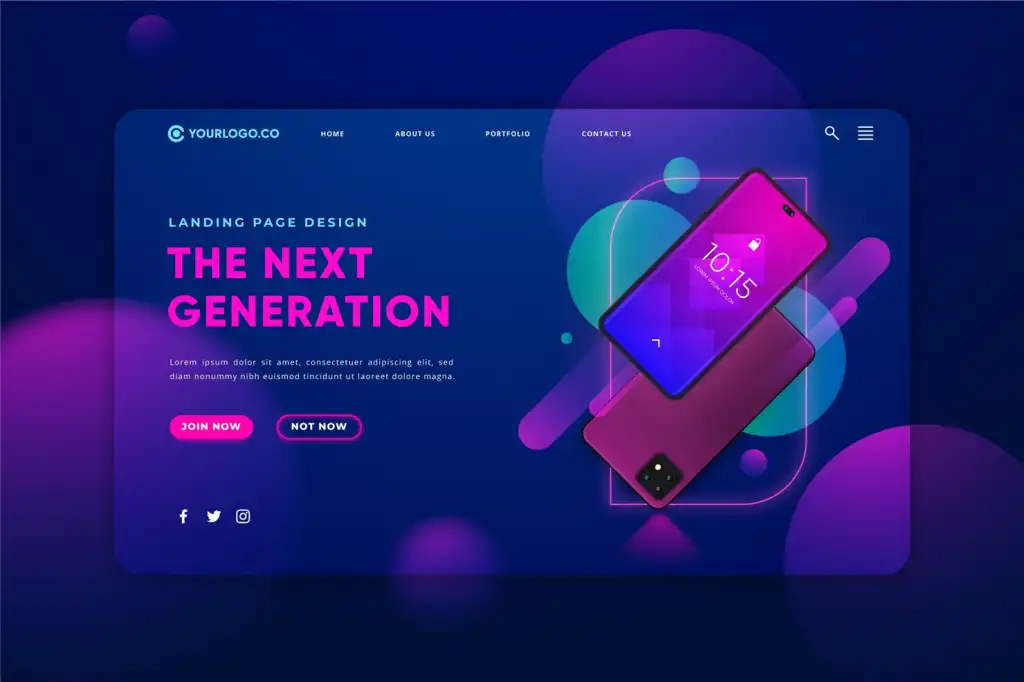
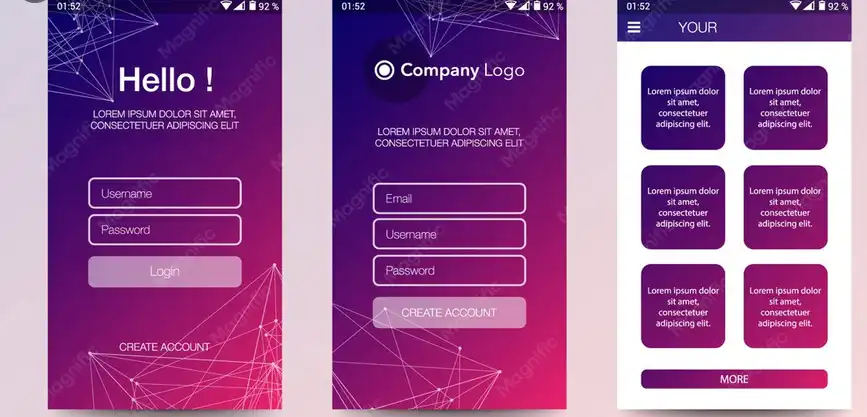
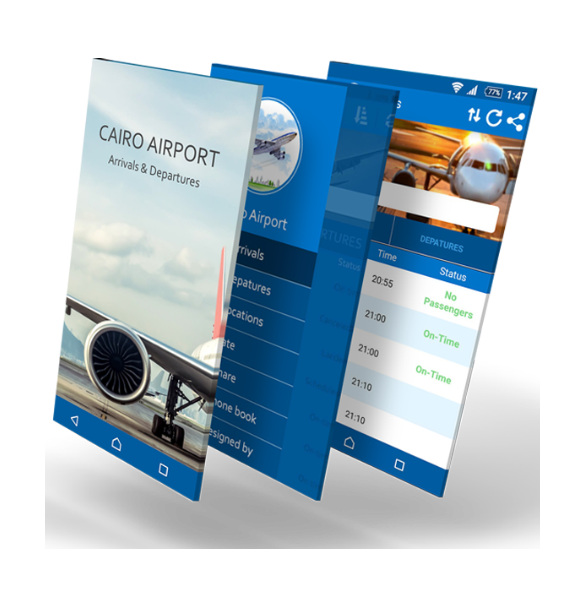
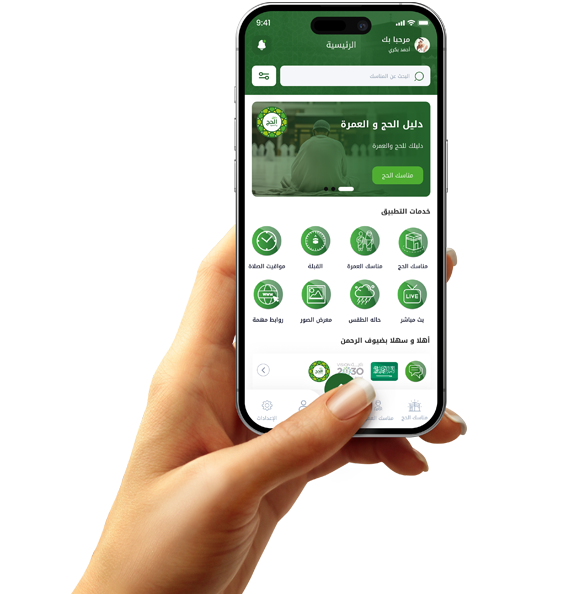
The success of any travel app depends heavily on the quality of its user interface design. Customers always seek speed and clarity when making bookings or searching for suitable trips. Therefore, a well-organized and user-friendly interface helps users access the information they need without complications or lengthy, time-consuming steps. When a customer enters the app and sees a clear division into categories such as flights, hotels, tourist activities, and transportation services, they feel comfortable and confident while browsing. The use of calming colors and attractive images of tourist destinations creates a distinctive visual experience that encourages users to stay in the app for longer periods. Clear buttons and quick search options facilitate the booking process in just a few minutes. Furthermore, the app's compatibility with all screen sizes is crucial to ensure a comfortable experience on phones and tablets. Fast page loading speeds within the app also play a significant role in reducing customer exit rates and significantly increasing booking rates. Therefore, the user interface is not merely a cosmetic design element but a fundamental component that directly impacts the app's success and profitability.

Travel Apps and Their Role in Increasing Hotel Bookings
Modern travel apps have become a powerful tool for increasing hotel bookings because they allow users to easily compare different options, view prices, services, and reviews before making a booking decision. A professional app helps a hotel appear before a larger number of potential customers and gives it the opportunity to reach new segments of travelers in different countries. Displaying professional photos of rooms and facilities within the app increases the hotel's appeal and encourages customers to book quickly. The ratings and reviews feature helps build trust between the user and the hotel, as customers rely heavily on others' experiences before making a final decision. Additionally, the app can send instant offers and discounts to users interested in travel, which significantly increases the conversion rate. Secure electronic payment systems also contribute to facilitating bookings within minutes without the need for phone calls or lengthy traditional procedures. Therefore, travel apps have become a key element in modern hotel marketing strategies that rely on rapid customer access and improving the online booking experience.

Organizing Your Daily Trips with Modern Travel Apps
Many travelers experience disorganization during their trips due to a lack of a clear plan for navigating different tourist attractions and activities. Modern travel apps offer smart daily trip organization features that help users better manage their time and make the most of their travel days. Users can add places they wish to visit, set travel times, and estimate arrival times for each destination. The app also arranges activities according to geographical location to minimize wasted time commuting. Instant notifications remind users of important appointments such as tour times, restaurant reservations, or cruise bookings. Additionally, some apps offer automatic suggestions for nearby places to visit during the trip, providing users with a more diverse and enjoyable experience. The offline saving feature allows access to trip details even in areas with weak network coverage. Therefore, organizing your daily trips within the app increases traveler comfort and makes them feel completely in control of every detail of their journey.
Interactive maps are among the most important features that add great value to travel booking and organizing applications because they help the user explore tourist destinations in an accurate and easy way. The traveler can find out the locations of hotels, restaurants, tourist attractions and transportation near their current location without the need to use additional applications. Also, displaying routes and expected arrival times helps the customer organize their day more efficiently and avoid delays or getting lost in new cities. Maps contribute to improving the user experience because they give them a sense of security and control over the details of the trip. In addition, some applications provide the ability to download maps to work offline, which is very important when traveling to places where there is no stable connection network. Also, the feature of suggesting nearby places based on the user’s interests, such as restaurants, markets or entertainment activities, can be integrated. Therefore, interactive maps have become an essential and indispensable element in the design of modern travel applications.