





Does every business project need a mobile app

When does designing a mobile app become a crucial step for your business growth?
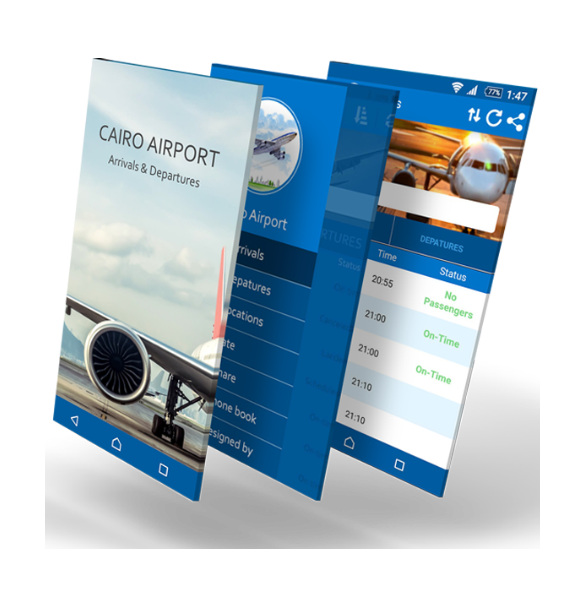
A business may reach a point where relying on traditional communication channels is insufficient to manage the number of customers, orders, and services. At this stage, designing a mobile app can be a strategic move that helps streamline operations and facilitates access to products and services at any time, especially when customers need to interact with the business repeatedly. The app allows for saving customer data, order history, offering promotions, sending notifications, and simplifying purchases or reservations. This can create a more convenient experience and increase the likelihood of repeat business. Therefore, a business with a growing customer base and repeatable services may find a mobile app an essential tool for transitioning from traditional management to a more scalable digital model.
Not all businesses require mobile apps.
It's a mistake to treat mobile apps as a universal solution for all businesses. The needs of a small shop selling seasonal products differ from those of a delivery company, a medical center, a booking platform, or a business providing daily services to a large number of customers. Therefore, it's crucial to understand how customers will use the service before deciding to develop an app. If a customer needs to return frequently and utilize multiple services, an app can offer a faster and more efficient experience. However, if the visit is infrequent or rare, simpler and more cost-effective digital solutions may be preferable. Ultimately, the success of an app development depends not simply on the desire for a digital presence, but on having a clear reason why customers genuinely need to use the app consistently.

How do you know if your project is ready for investment in a mobile app?
You can determine a project's readiness for mobile app development by analyzing the volume of requests, the nature of the customers, and the challenges faced by daily management. If the team spends a significant amount of time manually responding to recurring requests, confirming bookings, following up with customers, or sending offers, an app can automate a large portion of these processes and provide a more organized experience. A growing number of customers who interact with the project regularly is also a significant indicator of potential app viability. When a customer finds a single platform where they can easily complete all service steps, they are more likely to become attached to the project. Therefore, the development decision should be driven by a genuine problem or a clear opportunity, not simply by imitating competitors.

Before designing an app, ask yourself: How will the customer use it?
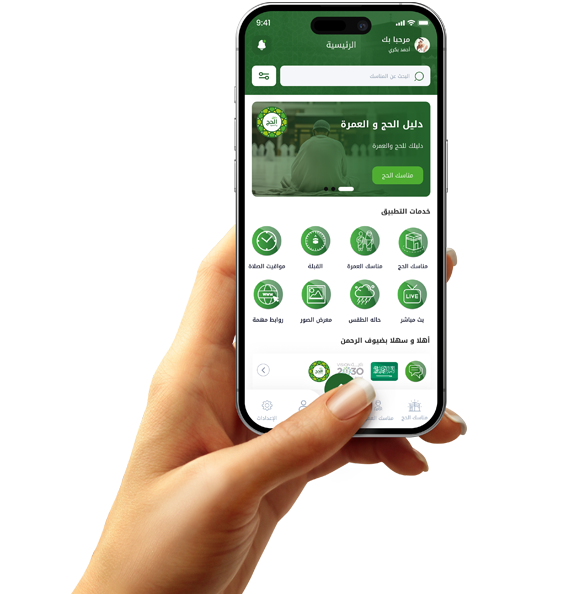
One of the most important questions a business owner must answer before starting to design a mobile app is how the customer will use it and why they will return to it. Simply downloading an app doesn't guarantee its success if the user doesn't find a clear reason to continue using it. Therefore, the app must offer real value, such as facilitating ordering, booking, tracking services, accessing special offers, or managing accounts more quickly. The clearer and more useful the customer journey within the app, the greater the chance that they will become a primary customer. Conversely, creating an app without a clear purpose may lead to wasting a budget on a digital product that doesn't achieve the expected usage and doesn't provide a clear return on investment for the business.
When considering developing an application for a business project, the idea of transferring all the website pages to an application without studying how to use the phone should be avoided, because the customer deals with the small screen in a different way and expects quick access to important functions. Therefore, the application should focus on the most frequently used tasks such as purchasing, booking, tracking, communicating, and managing the account. It can also take advantage of phone features such as notifications, geolocation, camera, and payment methods to provide an experience that is difficult to achieve in the same way through the website. When the application is designed as an independent tool with a clear purpose rather than being just an additional version of the website, it becomes more capable of attracting the user and achieving a real benefit for the project.