





Designing a successful medical app starts with simple, well-thought-out steps.
How to Plan a Successful Medical App from the First Step
When you begin designing a successful medical app, you must develop a clear plan based on market and competitor analysis. Understanding the gaps that can be exploited to provide real value to users is crucial. Good planning isn't limited to the app's design; it extends to precisely defining the target audience and understanding their needs and behavior within various medical apps. This helps you build a seamless and comfortable user experience, making the app the first choice for users and ensuring its success and sustainability in a digital environment that demands continuous innovation and development.
A strong idea is the cornerstone of any successful medical app. It must be built on solving a real problem that users face daily, such as difficulty accessing doctors, scheduling appointments, or accurately tracking treatment. Successful apps are those that offer practical and easy-to-use solutions and provide a comfortable user experience. This makes the app a part of users' daily lives, increases their reliance on it, and ultimately achieves widespread adoption and significant market trust.
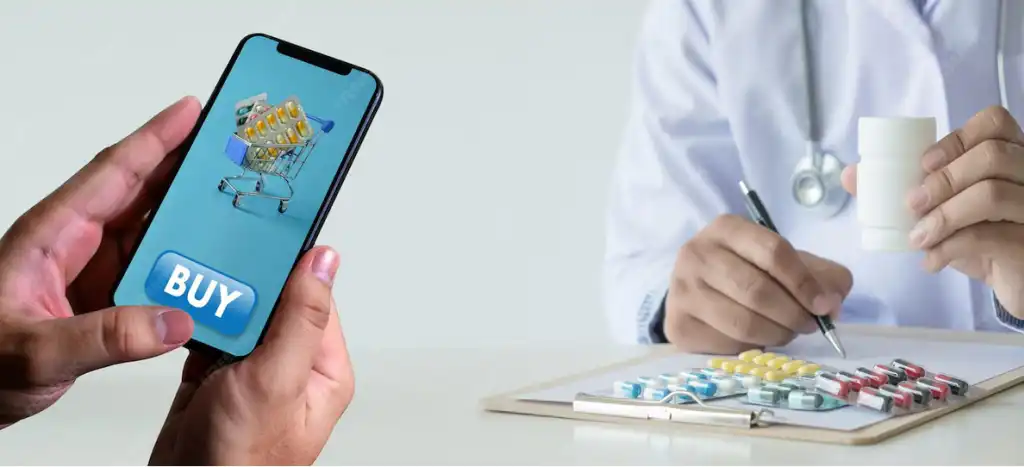
From Planning to Execution: The Journey to a Successful Medical App
The journey to designing a successful medical app involves several stages. It begins with a comprehensive conceptualization of the idea and an analysis of market needs. The design phase focuses on user experience and ease of navigation within the app. Next comes the programming phase, which must utilize modern technologies to ensure speed and the security of sensitive medical data. Finally, the testing phase ensures the app is error-free and delivers an optimal user experience before its official launch.
The success of any medical app depends heavily on the user experience, which must be simple, clear, and uncomplicated. Medical users seek speed and accuracy in accessing information or services. Therefore, user-friendly interfaces with logically organized content are essential, enabling users to reach their desired destination in the fewest possible steps. This increases user satisfaction and encourages continued app usage.
How to Build a Medical App That Meets User Needs
Building a successful medical app requires a thorough study of user needs and translating those needs into practical functions within the app, such as easily booking appointments, obtaining remote medical consultations, or continuously monitoring health status. Meeting user needs is the fundamental factor that determines the app's success and longevity in the market.
Simplicity in medical app design is not just an option, but a necessity. Users need a clear and fast experience without complexity. Therefore, the focus should be on designing clean interfaces and organizing information in a way that is easy to understand and use. This helps improve the user experience and increases user trust in the app.
Developing a professional medical app requires following well-thought-out steps, starting with analyzing the idea and defining the objectives, then designing user interfaces professionally, followed by programming the app using modern technologies that ensure high performance and security, and finally, comprehensive testing to ensure the app is ready for launch and achieves success in the market.
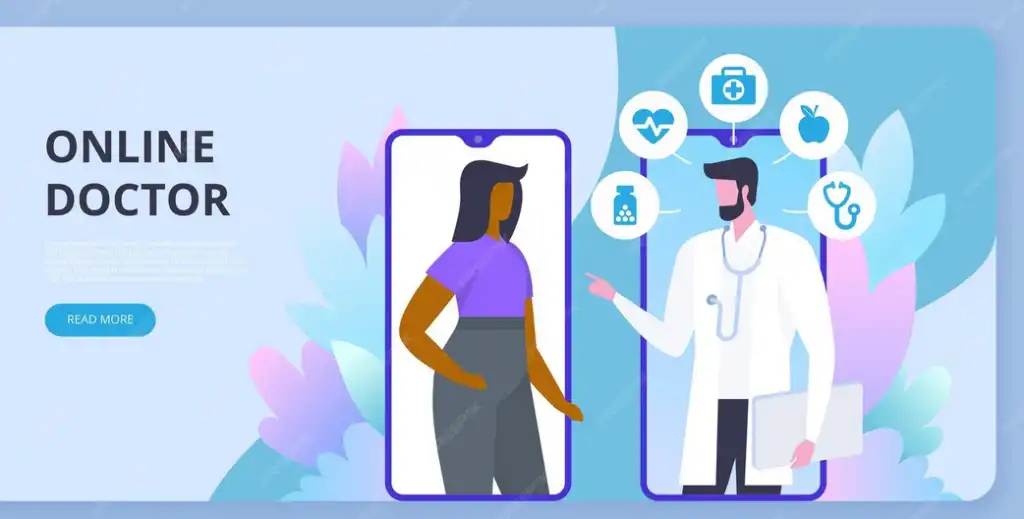
Detailed planning is the true starting point for the success of your medical application.
When you're thinking about designing a successful medical application, the first thing you should focus on is detailed planning. This leaves nothing to chance and relies on a thorough study of every aspect of the application. It begins with defining the core concept that offers real value to users, then moving on to competitor analysis to understand their strengths and weaknesses. Next, you define the essential functions the application should provide, such as booking medical appointments, offering remote consultations, or continuously monitoring health conditions. Following this, a complete vision for the user experience within the application is developed, ensuring that every step is carefully considered to minimize complexity and maximize ease of use. A successful medical application is one that makes users feel comfortable and confident from the very first moment they use it. Planning also includes selecting the appropriate technologies that guarantee speed and efficiency…