


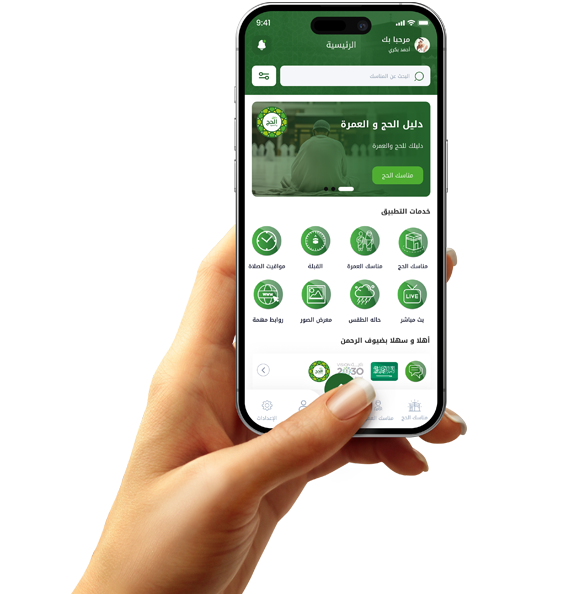




Choosing an app development company should be based on your needs, not just its reputation.
A company's reputation doesn't always guarantee it's the best fit for your project.
While a well-known company might seem like a surefire choice when considering developing a new application, reputation alone isn't enough to determine its ability to deliver your project effectively.
Every company possesses a diverse range of expertise, technologies, and sectors it has worked with. Therefore, your choice should be based on your specific project needs.
A company might be known for developing large-scale applications for major corporations, while your project is a startup requiring flexibility, rapid development, and a reasonable budget.
Another company, perhaps less widely known, might have a specialized team in its field, allowing it to grasp the intricacies more quickly and accurately.
Therefore, you should consider the company's track record rather than solely focusing on the number of clients or brand name.
It's beneficial to inquire about applications similar to your project in terms of functionality, target audience, or revenue model.
You should also research the technologies the company uses and whether they align with your application's performance, security, and scalability requirements.
An application that relies on a large user base requires a different technological infrastructure than an internal application used by a limited number of employees. The requirements for booking applications also differ from those for e-commerce applications, educational applications, or applications that rely on maps and tracking.

Understand your project before looking for a development company.
Before you start contacting app development companies, it's best to give your project enough time to define its goals, needs, and the results you want to achieve after launch.
A lack of clarity makes choosing a company more difficult because you won't be able to determine which offer suits you best or which company understands your requirements best.
Start by defining the problem the app will solve, the target audience, and why users will prefer it over existing alternatives.
Then, identify the main functions the app needs so you can discuss them clearly and systematically with companies.
These functions might include registration, login, search, filtering, payments, notifications, requests, ratings, chat, and tracking, depending on the nature of the project.
It's also essential to determine if the app needs a control panel to manage data, users, content, requests, and reports.

The nature of the application determines the type of development company you need.
Not all mobile applications are the same, either technically or operationally. Therefore, a company suitable for one application may not be the best choice for another, regardless of its experience or reputation.
An e-commerce application requires systems for products, shopping carts, orders, payments, shipping, and inventory, while a booking application needs to manage appointments, availability, alerts, and confirmations.
Applications that rely on maps and real-time tracking require different expertise in mapping, geolocation, and continuous data updates.
This means that the first step in choosing a development company is defining the nature of the application and the processes it will handle.
The more specialized the project, the more important it is to choose a company with experience closely related to the required field.
It is also important to ask the company for real-world examples of similar projects to assess its ability to handle the anticipated challenges.
Don't choose a company before understanding their project implementation methodology.
The methodology a development company uses can be more important than its size because it determines how an idea will be transformed into a tangible product, including communication, follow-up, and testing phases.
Some companies start coding quickly without sufficient analysis, while others rely on clear phases that begin with requirements analysis, then design, development, testing, and launch.
Knowing this methodology before contracting helps you understand what will happen during the project's execution, instead of waiting for results without knowing the work stages.
It also gives you the opportunity to know what aspects you'll be involved in and the decisions you'll need to approve.
A professional company is usually able to explain the project lifecycle simply and clearly, even if you don't have a technical background.
You should know how requirements will be gathered, how they will be documented, and how any changes that occur after approval will be handled.
You should also know how the design is managed and whether you will receive prototypes before coding begins. Initial design helps identify user experience issues before investing significant time in development.
You should also ask about the coding breakdown and when you can view beta versions. Having regular review phases makes you a partner in the project and reduces the likelihood of discovering significant discrepancies at the end.
It's essential to understand the testing methodology and whether it encompasses different devices, versions, and communication types.
You should also know how the company handles bugs discovered during testing and after launch.
The right company won't just finish the software tasks; they'll ensure the application functions as expected.
A clear system for managing tasks and feedback is crucial to prevent modifications from getting lost or priorities from differing among stakeholders. Regular communication helps you track progress and make timely decisions.
It's also important to know who is responsible for communicating with you to avoid dealing with numerous people without coordination.
The project manager can be a key element in organizing requirements and bridging the gap between technical and administrative aspects.
You should also inquire about their procedures for handling delays if a technical issue arises or requirements change. A good methodology doesn't eliminate problems entirely, but it makes them easier to detect and manage. Choosing a company with a clear methodology gives you better visibility into time, costs, and expected outcomes.
It also helps you identify companies that rely on general promises without a concrete implementation mechanism. Don't let the commercial offer alone be your reason for choosing a company; try to understand how they will work with you throughout the project.
A successful application needs good management as much as it needs good programming.