








Web vs Mobile Apps: Is the End of the App Store Near
The Rise of Progressive Web Apps (PWAs): Breaking the Download Barrier
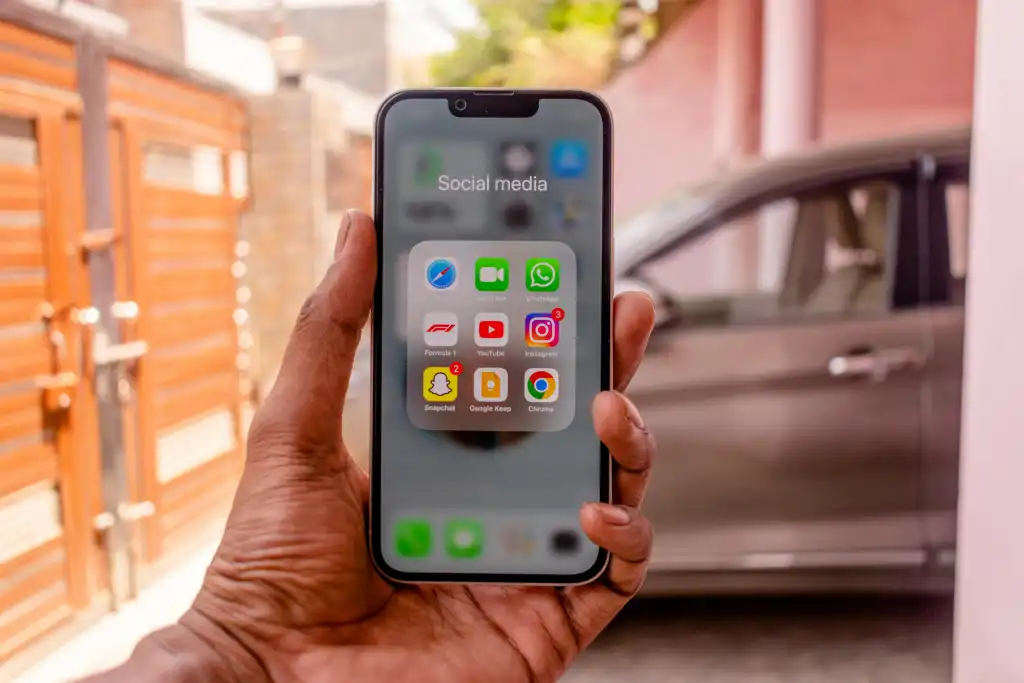
By 2026, "app fatigue" would become a tangible reality; users would no longer want to download a new app for every service they needed, especially with phones filling up on storage and consuming data. This is where the power of Progressive Web Apps (PWAs) emerges as a strategic alternative. They offer users an experience that closely resembles native apps (in terms of speed, home screen icon, and even offline functionality) but without requiring access to the App Store. At Grand, we see this shift giving businesses the advantage of "instant access." Customers can use your app simply by clicking a link, eliminating the biggest "friction point" in the customer journey: the download and waiting process. This leads to dramatically higher conversion rates compared to traditional apps.
The Store Economy Under Siege: Escaping the 30% Tax and Administrative Restrictions
The demise of the App Store is no longer just a technological concept; it's a full-blown economic movement. Large-scale entrepreneurs are growing increasingly frustrated with Apple and Google's stringent policies, from complex approval requirements to hefty commissions (up to 30%). Web applications offer "complete sovereignty" over your project; no third party dictates terms, rejects updates, or shares in your profits. This financial and technological independence allows businesses to redirect their "store commission" budgets toward product improvement or direct marketing. According to Grand, investing in the web is an investment in "business freedom," free from the monopolies of major platforms whose grip is weakening in the face of international antitrust legislation by 2026.

Capital Costs: A Single Codebase vs. Software Fragmentation
Strategically, building a native app often requires two teams (one for iOS and one for Android), effectively doubling the development and maintenance budget. Advanced web applications, on the other hand, rely on a single piece of code that runs efficiently across all devices and browsers. This savings in capital expenditure (CAPEX) allow startups and mid-sized companies to launch their products at maximum time-to-market speed. At Grand, we warn investors that the cost of maintaining app stores and subjecting them to periodic updates for each operating system has become a significant burden; whereas the web offers the flexibility of real-time updates for all users simultaneously, ensuring seamless compatibility and a unified user experience without fragmentation across versions.

Do native apps still have an advantage? (Heavy usage and hardware access)
Despite everything mentioned above, is the App Store era truly over? The answer in 2026 depends on the nature of the project. Native apps still excel in projects that require deep access to device hardware, such as complex augmented reality (AR) applications, resource-intensive games, or applications that need intensive graphics processing. Native apps offer raw performance that the web cannot yet fully access. Therefore, at Grand, we advise the following: If your project is service-oriented, commercial, or news-related, the future belongs to the web. However, if you are building a heavy-duty technology platform that relies on the device's computing power, the App Store remains your safe haven. The strategic decision should be based on a balance between performance and accessibility.