








Key details to ensure your app is accepted on Google and Apple platforms

Adherence to Content Policies Without Exception
One of the most important details for ensuring your app's acceptance is full compliance with each platform's content and privacy policies. Any violation, no matter how minor, can lead to immediate rejection or account suspension. Platforms review the nature of the content displayed within the app—whether text, images, videos, or external links—to ensure it is free of violations, misleading information, or intellectual property rights infringement. They also examine data collection mechanisms and verify the existence of a clear and publicly available privacy policy for users. Therefore, carefully reading and meticulously implementing these policies within the app's design and legal framework is a fundamental and indispensable step if you want to publish your app confidently and sustainably without future problems.
It is not enough for the application to work correctly, but it must also provide a user experience consistent with the design standards of each operating system. Both Google and Apple set clear guidelines regarding interface design, ease of navigation, and the arrangement of elements on the screen. Therefore, respecting these guidelines makes the application appear natural within the system environment and increases the likelihood of its acceptance. The clarity of the buttons, the ease of registration, and not forcing the user through complex steps from the beginning are all factors that affect the evaluation of the application. The smoother and simpler the user experience, the more it reflects the professionalism of the project and increases the chances of its rapid adoption.

A Clear and Transparent Privacy Policy
A crucial detail that cannot be overlooked is a clearly written privacy policy page explaining how data is collected, used, and protected. Platforms prioritize user data protection, and this policy should be available within the app and included when uploading it to the store. Any permissions the app requests, such as access to the camera or location, should be clearly explained, along with the reason for requesting them. Ambiguity in this area can raise suspicions among the review team and lead to app rejection, even if its technical performance is excellent.
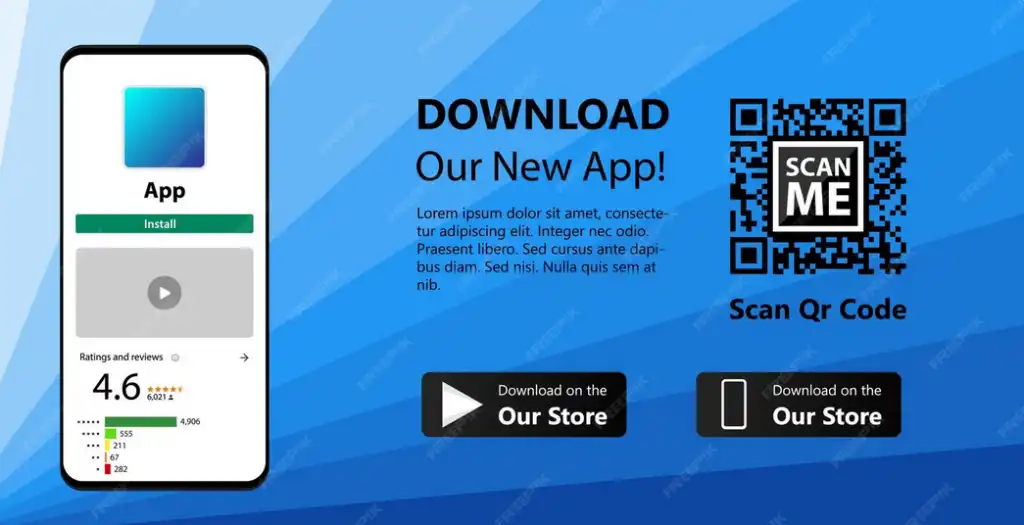
When uploading an app, the acceptance process isn't limited to technical aspects. It also includes the quality of the app's page in the store, including the description, images, and demo. The description must be honest and accurate, reflecting the actual functions without exaggeration or unrealistic promises. The displayed images must be taken from the actual app, not mock-ups. Review teams verify that the content displayed in the store matches what the user finds after installation. The more professional and well-organized your page is, the greater your chances of app approval quickly and confidently.
Clear Registration and Login Process
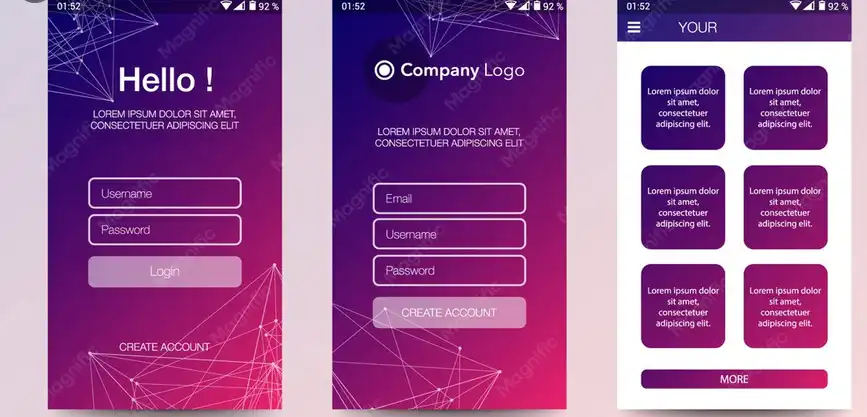
One of the most important aspects that platforms review is the user registration process within the application. Registration should be clear, easy, and not require unnecessary information. If the application requires a private login, a way should be provided for the review team to test it. Failure to provide test data may lead to application rejection due to the inability to evaluate its internal functions. The shorter, clearer, and more privacy-conscious the registration steps are, the more positively this will reflect on the application's evaluation and approval.
Requests for sensitive permissions, such as location, camera, or contacts, must be justified by a genuine function within the application. Platforms verify that the requested permissions are appropriate for the nature of the service provided. If an application requests permissions that are inappropriate for its function, this may be considered a violation of user privacy. Therefore, explaining the reason for each permission within the application and directly linking it to a clear feature enhances your credibility and reduces the likelihood of rejection.

Intellectual Property Rights Respect
Using images, music, or logos without official permission may lead to app rejection or even account closure. Therefore, ensure that all elements used within the app are licensed or legally owned by you. Review teams check for any potential intellectual property rights violations, and adhering to this aspect protects your project from future legal issues.
Choosing a suitable app name, a precise description, and relevant keywords enhances its professionalism and increases its chances of acceptance and wider adoption. A clear, high-quality icon design reflects the project's seriousness, as the app's page in the store is the first impression upon which its readiness is assessed.
The app must be compatible with the latest operating system versions and not rely on outdated, unsupported technologies. Platforms always encourage the use of the latest standards to ensure security and efficiency. Therefore, continuously updating the code is crucial for continued app acceptance and preventing future removal.
Accurately specifying the appropriate age group for the app and avoiding inappropriate content ensures compliance with rating policies. Any misleading information in this regard may lead to immediate rejection, so carefully review the content before uploading it.