








Is developing zero-code applications for enterprises a quick strategic solution or a long-term technological trap

No-code as a High-Speed Innovation Lab
At GRAND, we consider no-code a brilliant strategic solution in one phase: "Validating the Idea." Large organizations lose millions due to slow development cycles; this is where no-code comes in. It empowers non-technical employees (citizen developers) to build internal tools or prototypes in days instead of months. This makes the company incredibly agile in testing new ideas without burdening the core programming team. The strategy here isn't that no-code is the "end," but rather the "rapid draft" that proves the viability of the idea before investing in real, complex code.

The "Vendor Lock-in" Trap
The dark side of no-code begins when an organization builds the core of its business on an external platform. Here, you don't own the code, only the "right to use it." If this platform decides to raise its prices, suddenly shuts down, or even suffers a hack, your multi-million dollar project is in real danger. Technical control is lost when you can't easily transfer your data and code to another server. At Grand, we always warn that relying solely on No-Code for strategic projects is mortgaging the company's future to a third party, a long-term technical trap that's difficult to escape without significant losses.

The Scalability Barrier and Under-the-Hood Performance:
No-Code tools are programmed to be universal and suitable for everyone, which makes their backend code heavy and not optimized for your specific requirements. As your application grows and thousands of users access it, you'll hit a performance ceiling; you'll find slow response times, hosting costs skyrocket, and integration with other complex systems becomes a nightmare. Plain-code programming allows you to "engineer" every cell in your application to withstand pressure, while no-code remains a "closed box" where you don't know what's happening inside, hindering the massive scalability you aspire to.
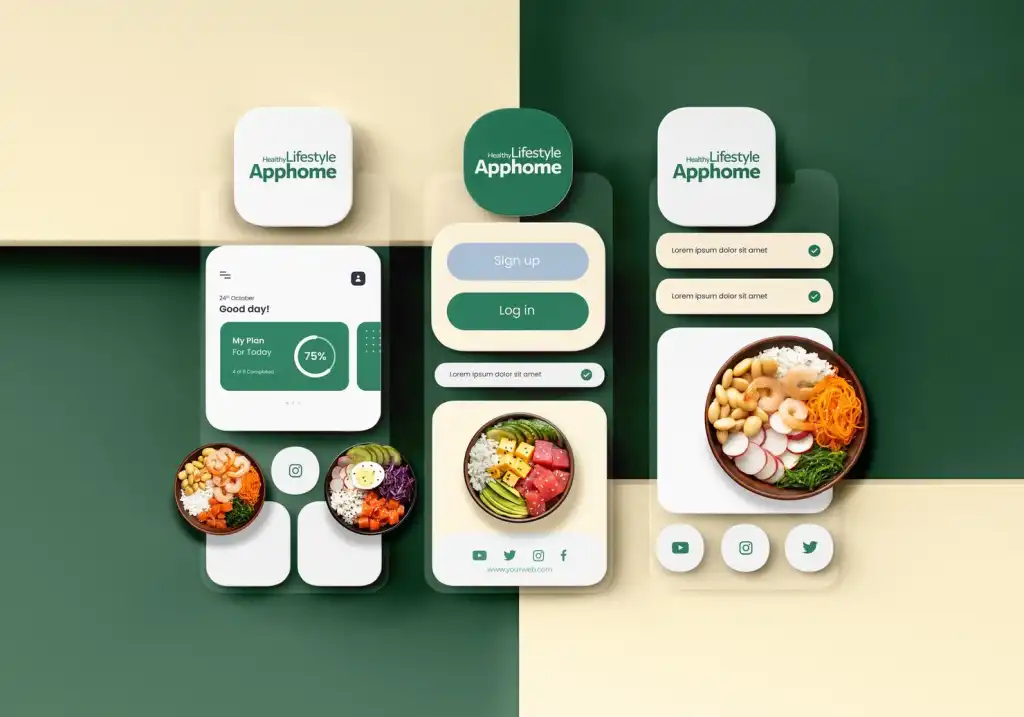
The Genius Balance: The Hybrid System is the Solution
The smartest companies in 2026 are those that blend the two. They use no-code to build fast interfaces and simple sidebars, but they build the "brain," the "database," and critical processes with native (custom) code and robust APIs. GRAND experts call this the Low-Code/No-Code Hybrid. You get the speed of no-code in "appearance" and the robustness of code in "substance." This solution allows you to move lightning fast in the market, while simultaneously giving you the ability to decouple, scale, and modify at any time without being trapped in a technical snare. Do you think your next project needs the speed of No-Code or the security of native code?