






How to program apps from the inside out in 2026

From Rigid Code to "Living Logic"
Programming used to be a matter of "if A happens, do B," but integrating artificial intelligence into the application's core has completely changed this equation. Code is no longer a set of fixed lines; it's a system that learns with every user action. Instead of a programmer writing a thousand lines of code to predict human behavior, the intelligent core builds its own paths in real time. This makes the application so flexible that it changes its interface and how it presents services based on the user's mood or current needs, thus reducing bugs resulting from limited human predictions.

Redefining the Back-end:
Data is no longer just numbers. In the traditional approach, a database was a place where we stored and retrieved information. Today, with artificial intelligence at the heart of the programming, the back-end has become a "thinking brain." As soon as data enters, the application analyzes it, connects it to other data, and draws immediate conclusions that guide the front-end. This change in code structure allows us to focus more on "data architecture" and how to feed the core with the right information. The application is no longer just a repository; it's an intelligent processor that makes programming decisions, saving programmers months of manual modifications.

The user interface gradually disappears.
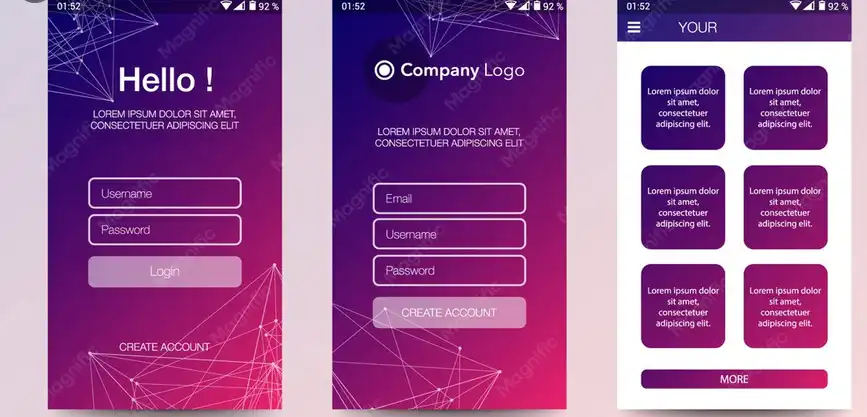
When we integrate artificial intelligence into the application's core, we effectively begin to say goodbye to numerous buttons. An application that understands you from the core doesn't require you to search for specific features; it displays what you need at the right time. Programming here shifts from designing user interfaces (UIs) to designing "dialogues and contexts." The code starts to understand voice, gaze, and even typing speed. This allows us, as project owners, to focus our code on the "smoothness of dialogue" between the machine and humans, not just the aesthetic appearance of icons. This is what distinguishes a successful application from one that's merely cluttered with buttons.

Self-protection and proactive defense within the code
The biggest leap in integrating artificial intelligence into the application core is "cybersecurity." The code no longer waits for a "security update" from the parent company to patch a vulnerability; it is now programmed with intelligent particles that monitor any abnormal behavior within the application itself. If there is an attempted breach or unusual resource consumption, the core makes an instant decision to close the vulnerability or isolate the affected area. This changes the way we write security code, and instead of building static firewalls, we are building a digital "immune system" that evolves itself. This reassures investors that the project's technical assets are intelligently protected, not just with passwords.