
How to make your user visually addicted to your app
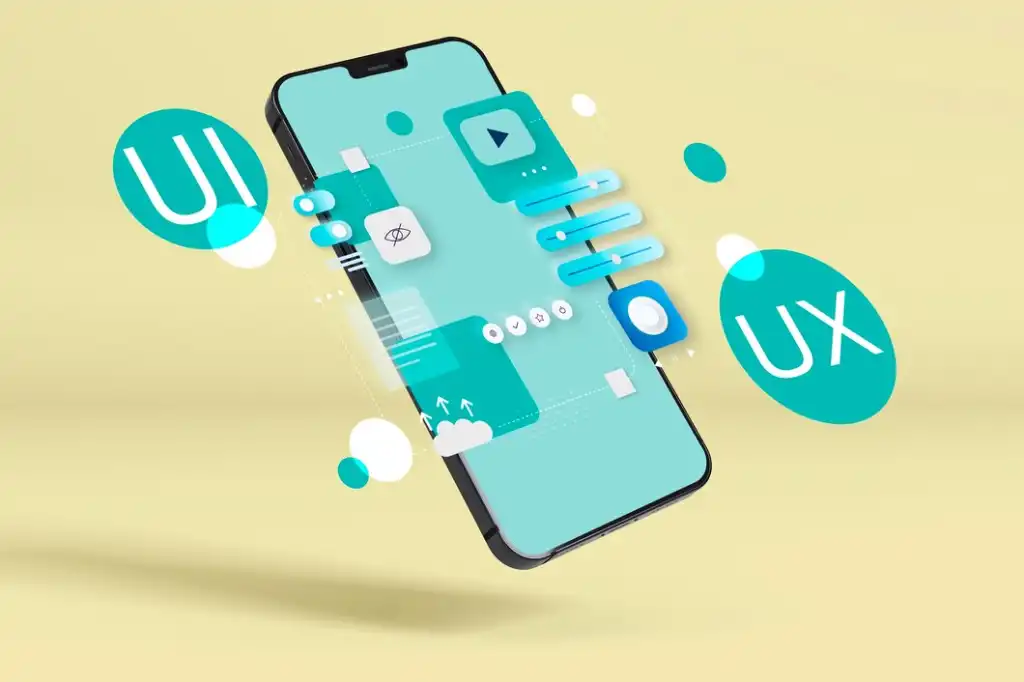
The Psychology of Colors and the Digital Dopamine Hormone
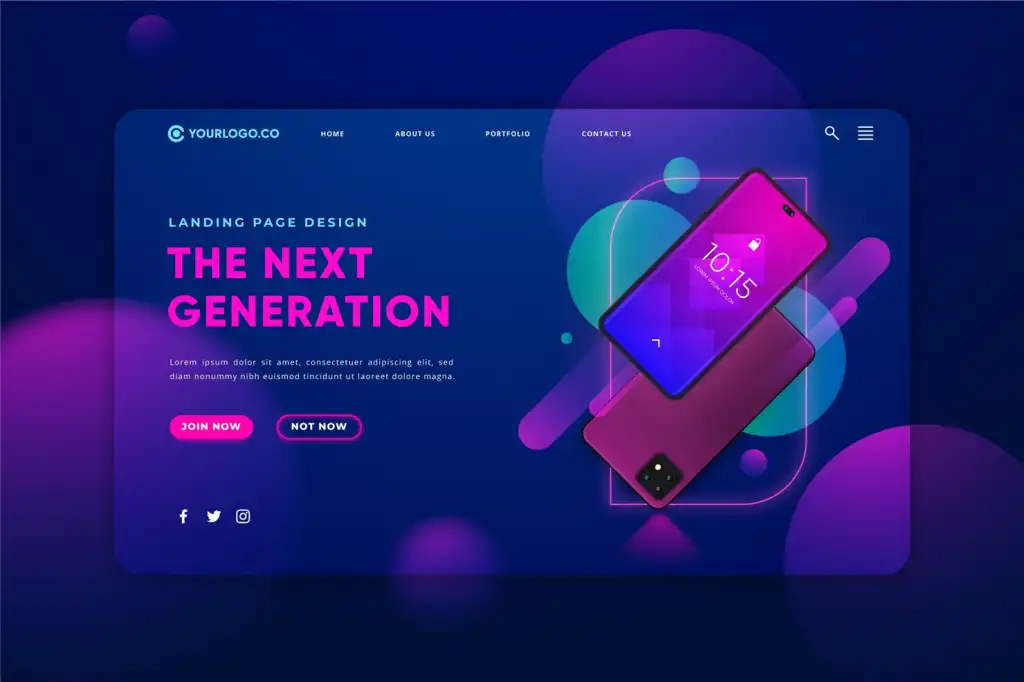
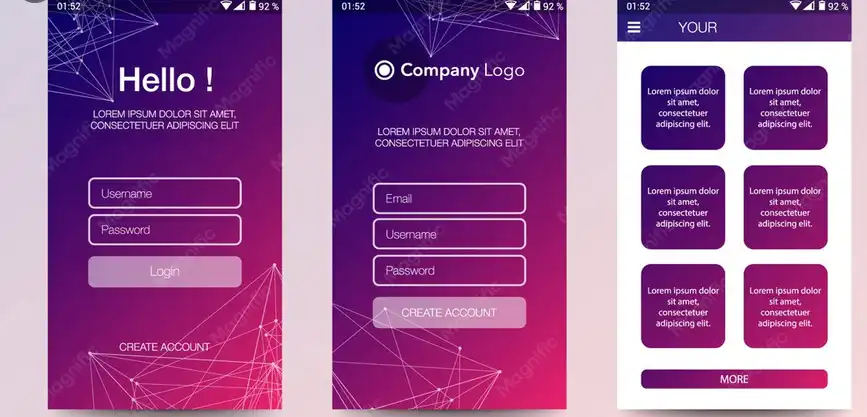
Colors are not merely decorative; they are a direct language that speaks to the user's nervous system. At Grand, we understand that the choice of color can determine the level of user engagement. Red and orange in notifications trigger a feeling of urgency, while blue (as seen on Facebook and LinkedIn) provides a sense of trust and stability, encouraging users to stay longer. The secret to "visual addiction" lies in using "trigger colors" in action buttons (CTAs) to give the user a small visual reward when pressed, thus stimulating dopamine release. Thoughtful visual harmony makes the eyes feel comfortable, and comfort is the first step toward attachment; users tend to return to places that offer a comfortable and organized visual experience.
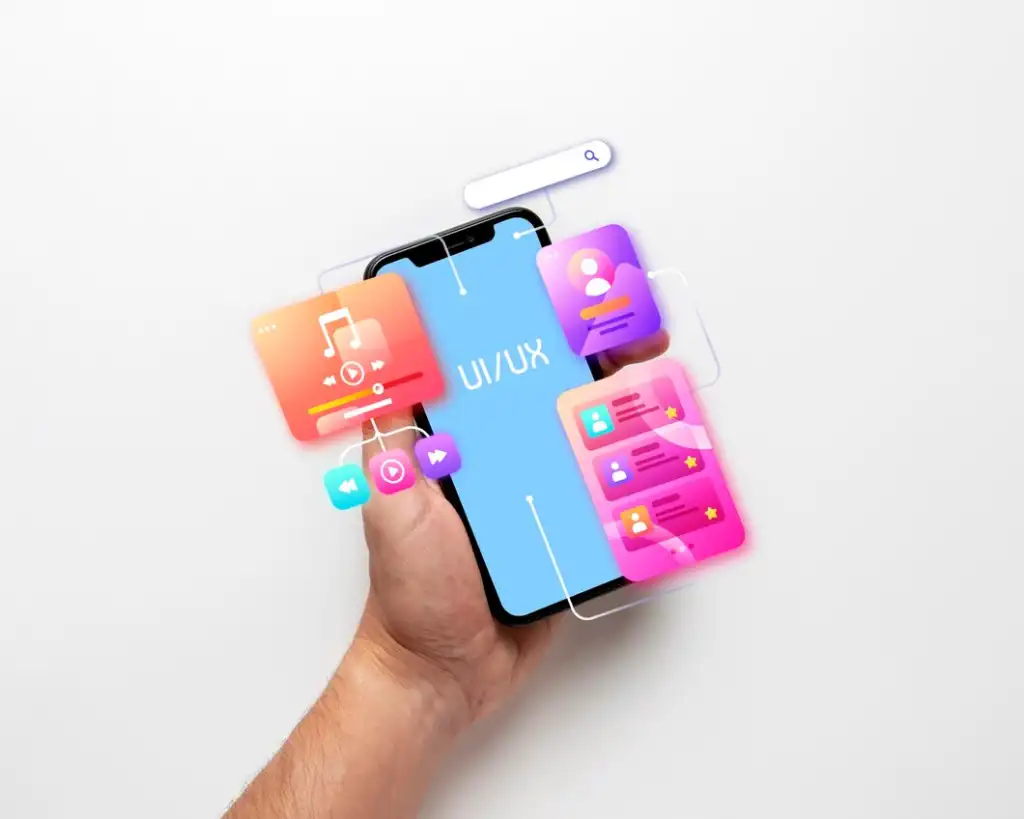
The Art of Micro-interactions: Small Movements That Make a Big Difference
Visual addiction doesn't stem from static images, but rather from the "kinetic response" to the application. When a user pulls down to refresh the page and a smoothly moving icon appears, or when the heart changes color when they tap "Like" with a fluid motion, that's when the magic happens. These subtle interactions give the user a sense of control and immediate satisfaction. They act as a visual feedback, telling the user that their action has been successful. Visually addictive apps are those that pay attention to the movement of each element; seamless transitions between screens make navigating the app feel like a cinematic journey that the user doesn't want to interrupt, subconsciously extending their time.
The architecture of space and the theory of "visual focus":
Cluttered apps alienate users, while apps that cleverly utilize "white space" attract them and keep them engaged. The rule in 2026 is "Less is More." By minimizing visual distractions and directing the user's eye to a single point of interest on each screen, the user experience becomes easier and requires less mental effort. When a user finds that accessing information requires no visual effort, their mind begins to classify the app as a "convenient" tool. This smooth visual path creates a kind of "digital familiarity," where the mind easily memorizes the app's map, and navigation becomes automatic (autopilot). This represents the highest level of visual addiction, where the user uses the app without conscious thought.

Visual Rewards and Stimulating Progress (Visual Gamification):
To keep users visually addicted, they must always feel they are "accomplishing something." Using visual elements that indicate progress, such as a progress bar or colorful badges that light up upon task completion, creates a visual incentive to continue. The human mind dislikes visual "incomplete circles," and users will only open the app to complete the progress bar or see the new notification that flashes a distinctive color. Integrating gamification elements into the visual design transforms use from a mere function into an enjoyable challenge. At Grand, we always recommend making in-app "success moments" a visual celebration (like colorful confetti appearing at checkout). These small visual moments are what stick in the user's memory and compel them to return for more.