







How to decommission your giant application to ensure high service continuity

Goodbye to the Single Block: The "Divide and Conquer" Tech Philosophy
At Grand, we liken old apps to a building where, if there's a power outage in one apartment, the whole building burns down. Microservices build the app like a collection of independent villas; each service (like payments, search, notifications) has its own code and independent database. If the payment service goes down for any technical reason, the customer can still browse products and search as usual, and the entire system will continue to function. This independence is what makes the app resilient to the most severe software problems and gives you the ability to maneuver and fix them without disrupting other users.

Scalability and Intelligent Resource Utilization
The biggest advantage of decompiling the app is that you can scale only the part that's under pressure. If you have a sales season and all the pressure is on search, you don't need to expand the servers for the entire app and pay exorbitant amounts; you programmatically increase the resources for the search service alone. This makes resource consumption very intelligent and saves a huge amount on hosting costs. This decompression makes the application "elastic"; it can scale up or down as needed, which is what distinguishes professional applications that can handle millions of visits without crashing or requiring a restart.
Polyglot Persistence:
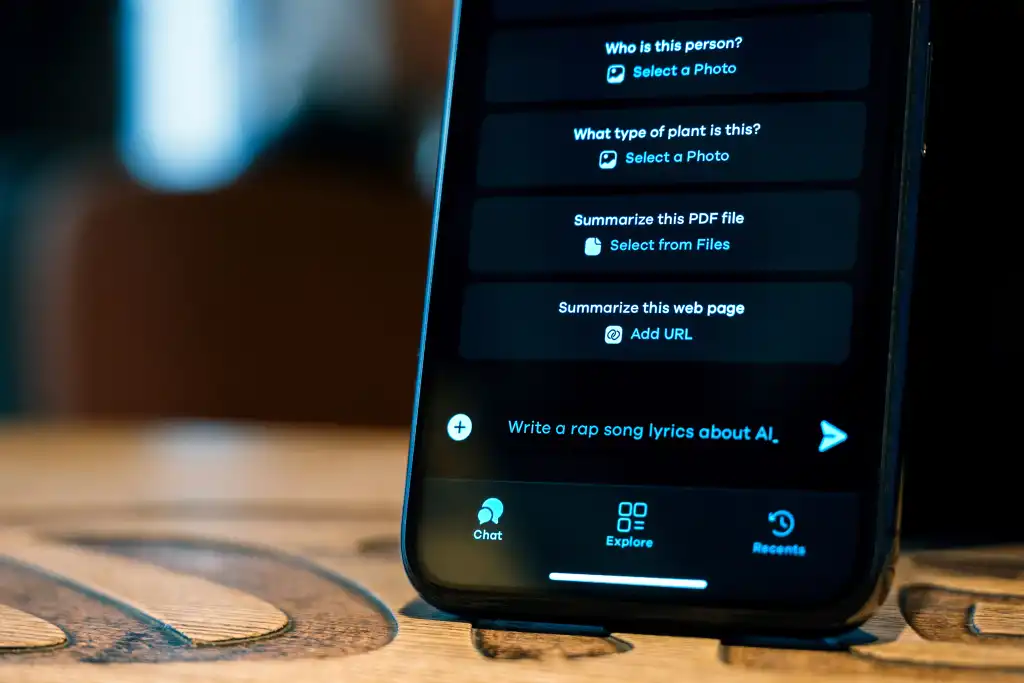
When you decompose your application, you are no longer forced to use a single programming language for everything. You can program the chat service in Node.js for speed, the data analysis service in Python for its intelligence, and the core database in PostgreSQL. Each microservice gets to choose the language and tools that best suit its function. This flexibility allows you to attract the best programmers in every specialization and makes your application "ahead of its time" because it leverages the strengths of all programming languages available in 2026.

Automation and Rapid Deployment (CI/CD Optimization):
Decompiling the application allows the development team to work in parallel. The payment team is updating its code, and the profile team is working on a new feature, and both can deploy their updates simultaneously without any code collisions. This dramatically accelerates the product lifecycle; instead of waiting a month for a complete application update, you can release updates for specific services every hour. This speed is what allows you to dominate the market and respond to your customers' demands before your competitors can even think.