




How to choose the best app development company 5 criteria to protect you from wasting your budget
Real Portfolio and Experience in Your Field
The first and most important criterion is examining the company's "history," but not just any history. Don't just look at the logos of major companies on their websites; ask to see live apps they've developed and test them yourself on your phone. Most importantly, look for the company's experience in your specific field; developing an e-commerce app is fundamentally different from developing a social media or medical app.
When a company has a portfolio in your field, it not only provides you with the source code but also "consulting expertise." These programmers have already experienced the problems you might face and know what works for your target audience and what doesn't. A company that understands the nature of a client's business saves them thousands of dollars that would otherwise be wasted on software experiments that don't fit the market.

Transparency in Technology and Guaranteed "Source Code Ownership"
In 2026, some companies will still use outdated technologies or proprietary platforms, making you "hostage" to them indefinitely. The crucial factor here is transparency. Ask about the programming languages (such as Flutter, Swift, or Node.js) and ensure they are modern technologies with a broad market. Most importantly, the "Source Code Ownership" clause must be explicitly stated in the contract, guaranteeing 100% ownership of the code.
Failure to clarify code ownership means you may not be able to transfer your project to another programmer or company in the future, forcing you to pay exorbitant fees for even minor modifications. A truly professional company builds a system that you can manage and develop with any technical team you choose in the future because they are confident in the quality of their work and don't need to legally restrict you to continue working with them

Work Methodology and Post-Launch Services (Technical Support)
App development is the "beginning" of the journey, not the end. The third criterion is ensuring the company follows modern work methodologies like Agile, which guarantees you'll see your project's progress week by week instead of waiting months only to be surprised by a product different from what you ordered. Contact them and ask, "How will I be kept informed of the workflow?" If they don't have a clear project management system, beware of wasting your time.
Also, an app without technical support and continuous updates will become "digital junk" in 2026 after the first Android or iOS update. Make sure there's a clear clause for technical support, bug fixes, and the development of new features after launch. A company that disappears once the code is delivered will cost you a fortune to find a replacement to fix its mistakes; so choose a "success partner," not just a "programming contractor.

User Experience (UX) Quality and Scalability
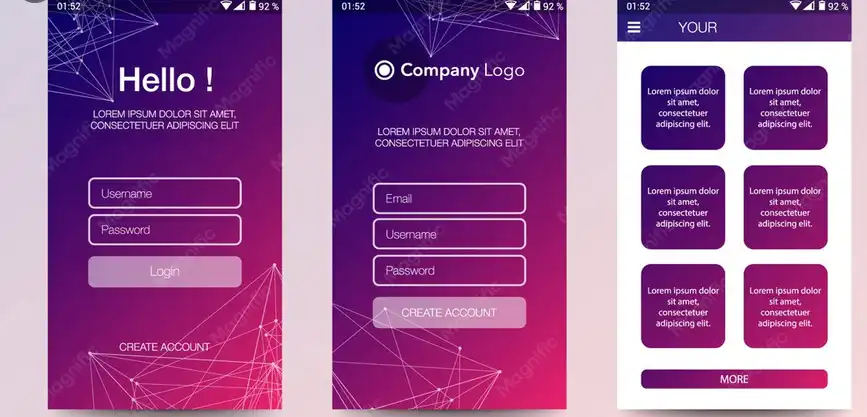
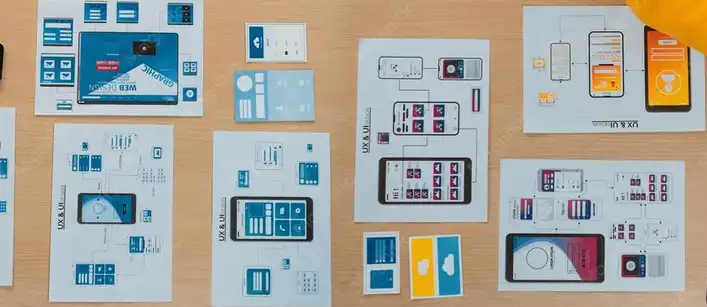
There's a big difference between an app that "works" and an app that's "comfortable." The fourth criterion is the company's ability to deliver a professional user interface and user experience (UI/UX) design. Request a meeting with the designer before the programmer; if the company lacks professional designers, you'll end up with a complex application that users will abandon. Good design isn't a luxury; it's the primary driver of sales.
Additionally, ask about scalability. Can the application handle 100,000 concurrent users if your marketing campaign is successful? Or will the server crash, wasting your advertising revenue? Companies that build "cheap" applications often neglect the infrastructure, rendering the application unscalable. The best company builds a solid foundation that can support your future success, even if it costs you a little more initially.