





How to balance your limited budget with the quality of the app you'll release to the public without cutting corners in the wrong place

The "Cheapest Programming" Trap: How a Cheap App Turns into a Nightmare
It's perfectly natural for a startup owner to look for the lowest cost to save cash, but software isn't a ready-made commodity you can buy wholesale. Falling for lucrative offers on the street (like "Build your app for 3000 EGP in two days") is a fatal trap. These apps are often built with stolen code, riddled with bugs and crashes, and can't handle 10 users simultaneously. The result is that you lose your entire budget, damage your idea's reputation before you even begin, and are forced to rebuild from scratch.
The First Red Line: Data Security and Customer Accounts
There are areas in an app where cutting corners or skimping is absolutely unacceptable, most importantly "system security." Protecting customer data, their phone numbers, payment gateways, and wallets is a red line. If you skimp on code encryption or server vulnerabilities, and your app is hacked or data is leaked, you'll lose your entire business and face legal trouble that could ruin your company. Security is the first investment that gives the average street customer the confidence to deal with you.
The second red line: Stable Infrastructure and Servers
The second area where quality cannot be compromised is the server and database. There's no point in having an app with a stunning design and attractive colors if it crashes and displays a "server failure" message to customers as soon as there's a surge in traffic during peak sales seasons! Skimping on weak or unsecured servers will cost you sales. Good governance requires choosing a flexible and scalable cloud infrastructure that ensures the application operates 24/7 without interruption.
Smart Savings: The MVP Tactic (Start with the Essential)
So how do we save money? The magic secret for 2026 is implementing the MVP (Main Version). Instead of asking a software company to build a massive app with 50 sub-features (like an internal chat system, games, and complex loyalty points), focus solely on the core feature that serves your idea (if it's a delivery app, focus only on ordering and delivery). This tactic reduces programming costs by up to 60%, and gets your app to the street quickly, so you can start making profits and testing the market, then gradually develop the remaining features from the app's own earnings.
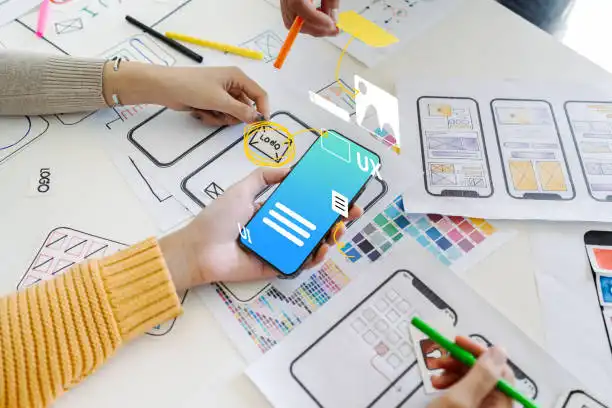
Design Savings: Focus on Ease of Use, Not Flash (UX/UI)
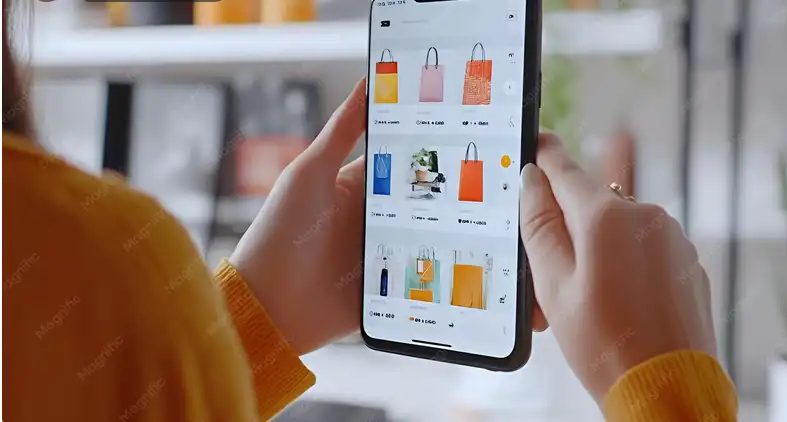
Some believe that app quality means using dazzling visuals and animated videos on every screen. From an engineering perspective, this increases design and development costs and slows down app performance on users' phones. The smart way to save money is to focus on "ease of use" (User Experience). Make the steps for purchasing or requesting services clear and incredibly fast for the average customer, using clean and uncluttered designs. Customers are looking to complete their transactions in seconds, not view a complex visual display.
Cross-Platform: Kill Two Birds with One Stone
Instead of spending your budget on building two completely separate apps (one team for iPhone and one team for Android), the smartest decision for limited budgets is to rely on cross-platform code technology like Flutter. This technology allows developers to write a single piece of code, resulting in two versions of the app (Android and iPhone) with lightning efficiency and excellent quality. This step alone will save your company approximately 40% of payroll costs, time to market, and future maintenance expenses.

Choosing a Digital Partner: How to Select the Right Software Company?
The real decision comes down to choosing the "most suitable company," not the "cheapest." A professional company won't agree to your astronomical dreams with a small budget. Instead, they'll sit down with you as a trusted advisor and say, "Based on your budget, we suggest eliminating features (A and B) and focusing on feature (C) to ensure a robust and stable app." Choose a company that offers clear contracts, guarantees full ownership of the source code, and provides a clear post-launch technical support and maintenance plan to ensure your project runs smoothly.