






Fast app login means a lower customer dropout rate

Every second of registration could mean a lost customer.
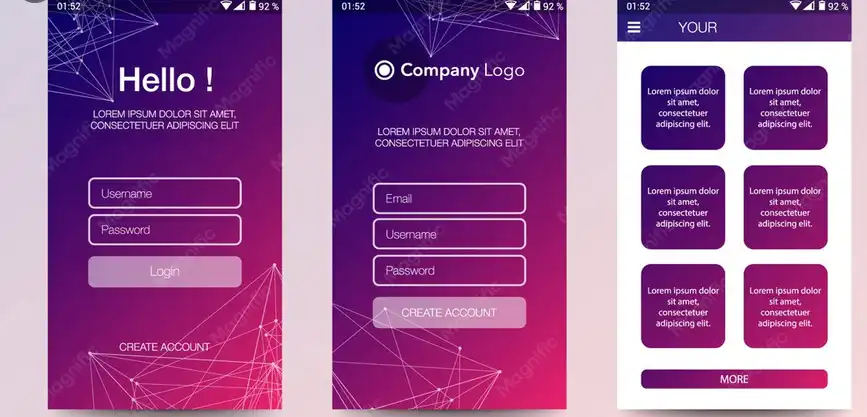
When a user has to wait or enter a lot of data on the registration screen, they begin to reassess their desire to continue and may decide the effort isn't worth it. However, when they find that registration takes only a few moments, the incentive to explore remains strong, and they continue browsing, purchasing, or using the service. Therefore, speeding up the registration process isn't just a cosmetic improvement; it's a fundamental element in reducing early attrition and reinforcing the user's feeling that the application is intelligently designed to save them time and provide an immediate, uncomplicated experience.
The relationship between the user and the application begins on the registration screen. If the start is easy and straightforward, the first impression is positive and establishes early trust, encouraging the user to continue and try without internal resistance. On the other hand, if the start is cumbersome, even the best features won't prevent them from quitting. Therefore, quick registration represents a direct investment in reducing customer attrition rates because it removes the first obstacle that might cause them to leave before they discover the true value you offer. When a user comes to the application with a specific motivation and wants to perform a specific task, they do not want to go through a long series of steps, but rather want a direct result. By providing a quick login, you respect this motivation and give them what they want without delay, which increases the likelihood of completing the process they came for, whether it is a purchase, reservation, or inquiry. Consequently, the customer loss rate decreases because you did not put additional barriers in front of them that weaken their initial enthusiasm.

Every second of registration could mean a lost customer.
When a user has to wait or enter a lot of data on the registration screen, they begin to reassess their desire to continue and may decide the effort isn't worth it. However, when they find that registration takes only a few moments, the incentive to explore remains strong, and they continue browsing, purchasing, or using the service. Therefore, speeding up the registration process isn't just a cosmetic improvement; it's a fundamental element in reducing early attrition and reinforcing the user's feeling that the application is intelligently designed to save them time and provide an immediate, uncomplicated experience.
The relationship between the user and the application begins on the registration screen. If the start is easy and straightforward, the first impression is positive and establishes early trust, encouraging the user to continue and try without internal resistance. On the other hand, if the start is cumbersome, even the best features won't prevent them from quitting. Therefore, quick registration represents a direct investment in reducing customer attrition rates because it removes the first obstacle that might cause them to leave before they discover the true value you offer. When a user comes to the application with a specific motivation and wants to perform a specific task, they do not want to go through a long series of steps, but rather want a direct result. By providing a quick login, you respect this motivation and give them what they want without delay, which increases the likelihood of completing the process they came for, whether it is a purchase, reservation, or inquiry. Consequently, the customer loss rate decreases because you did not put additional barriers in front of them that weaken their initial enthusiasm.

Don't let your password cost you a customer.
Many users abandon an app simply because they forgot their password or didn't want to create a new account. This is where quick registration or readily available login methods come in, completely bypassing this obstacle and transforming the login process from a hurdle into a seamless experience that requires no extra mental effort. When these simple yet impactful barriers are removed, the customer churn rate drops significantly because the app becomes too easy to abandon.
When users can access the app's content or services in seconds, they feel their time is valued and their experience is efficiently designed. This feeling translates into their overall satisfaction and willingness to return. Quick registration not only reduces early churn but also sows the seeds of digital loyalty, which later develops into repeat use and recommendation. Thus, a simple feature becomes a strategic asset in building a stable customer base.
Every field added to the registration page represents a new possibility of losing the user, because complexity breeds hesitation and hesitation breeds withdrawal, while minimizing the steps shortens the distance between wanting to use and starting the actual experience, and with this distance being shortened, the customer loss rate decreases because the user does not find an opportunity to reconsider or back out before discovering the value of the application.

Take the shortcut and win the customer.
Users are always looking for the shortest path to their goal. When they find that your app provides this through a quick and clear login, they prefer it over others, even if the services are similar. Convenience is a crucial factor in decision-making, and with repeated seamless experiences, the likelihood of abandonment decreases significantly, making the app a permanent part of the customer's life. Flexible login options give users freedom of choice and eliminate any sense of obligation. When customers feel they have control over how they log in, they interact more positively and stay longer. This retention translates to a lower customer churn rate and increased value for each user in the long run.
Quick login within the application is not merely a supplementary technical feature that can be added or omitted, but rather a fundamental strategic element in building an integrated user experience that begins from the first moment the customer opens the application. This is because the first impression in the digital environment is formed in a matter of seconds, giving you no second chance to correct it. When the user is surprised by lengthy procedures that require entering a lot of data, repeated confirmations, or waiting for verification messages that may be delayed, they automatically feel that the experience is tiring and uncomfortable. This feeling is enough to push them to close the application and perhaps delete it permanently without giving you the opportunity to show the real value you offer. On the contrary, providing a quick and smooth login mechanism that reduces the steps to a minimum and gives the customer instant access to services and content creates a state of immediate satisfaction and psychological comfort that increases the likelihood of continued use. This is because the user is naturally inclined towards digital environments that respect their time, understand their needs, and do not impose unnecessary obstacles on them. The more easily and clearly they feel that the application receives them, the more likely they are to stay on it for a longer period, which is directly reflected in a lower customer loss rate and an increased retention rate, especially in a competitive market where services are similar and small details take precedence over major advantages.