



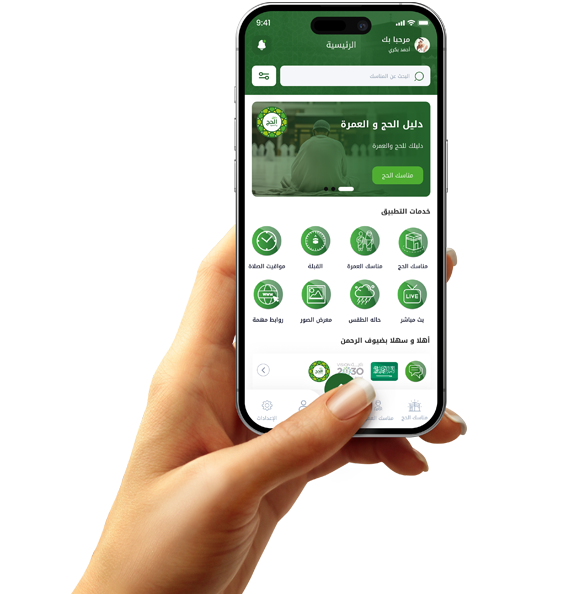




Your application is a direct reflection of the quality of the programming behind it.

Strong programming means an unforgettable user experience.
Users don't see the code, but they feel it every second they spend within the application. Fast navigation, smooth performance, and no crashes are direct results of strong, well-thought-out programming. When an application is developed using best programming practices, this translates into a comfortable user experience that makes customers prefer the application and return to it again and again. Conversely, applications with poor programming often fail to retain users because they cause frustration and delays. This demonstrates that programming quality is not an optional extra but a fundamental element for building a long-term relationship with the user.
Relying on clean and organized code not only facilitates the development process but also ensures the application's long-term sustainability. Any modification or addition becomes easier and less expensive when the code is clear and professionally structured. Clean code also reduces bugs and makes the application testing process more accurate and efficient. This, in turn, leads to the release of a stable application that delivers high performance and quickly gains user trust. Thus, programming quality here transforms from a mere technical factor into a strategic element in the project's success.

Fast performance starts with professional programming.
Application speed isn't a matter of chance; it's the result of precise programming decisions, from selecting the right technologies to writing every line of code within the system. When performance is optimized through advanced technologies and the application's internal processes are intelligently organized, the user receives an immediate and seamless experience without delays. This directly impacts application ratings and adoption, as users always prefer fast applications that save them time. Therefore, any investment in programming optimization is a direct investment in user satisfaction and increased profits.

User experience is the result of precise programming decisions.
Every small detail within an application, from loading speed to smooth page navigation, is a direct reflection of decisions made during the programming process. Choosing the right algorithms and organizing data correctly significantly improves performance. Attention to technical details also makes the application more responsive to user needs. Therefore, programming here becomes a tool for creating a distinctive experience, not just a means of executing commands.
In the highly competitive world of applications, having a good idea is not enough; it must be executed with intelligent programming based on best practices and modern technologies. Small details within the code, such as performance optimization and resource optimization, play a crucial role in an application's superiority. When these details are carefully considered, the user receives a smooth and fast experience, making them prefer the application over alternatives. Thus, programming transforms from a technical process into a powerful competitive tool.
Every successful update relies on a flexible software architecture.
Releasing continuous application updates requires a flexible software architecture that allows modifications to be added without affecting other system components. When the code is designed this way, the development process becomes faster and more secure, enabling continuous application improvement and the introduction of new features that meet user needs. This keeps the application up-to-date and ahead of the competition.
The more professionally and systematically the code is written, the lower the likelihood of errors within the application. This also makes problem detection and resolution faster and easier, which translates into overall application efficiency and smooth, uninterrupted operation. As a result, users receive a stable experience that enhances their satisfaction and trust in the application.