







What happens inside an app design company after the project idea is approved
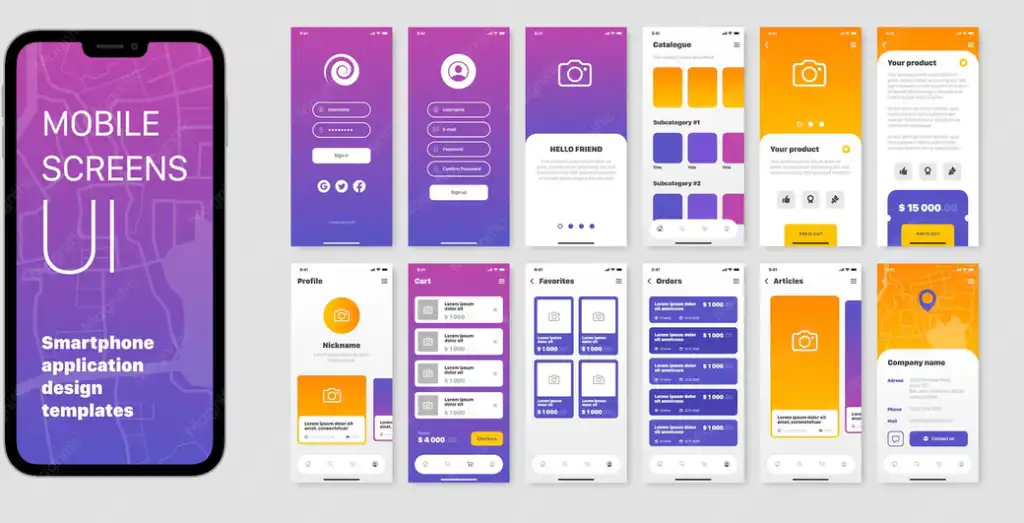
How an App Development Company Begins Project Analysis After Agreement
Once the app concept is approved, the design and development company treats it as a comprehensive project requiring thorough analysis before moving to the execution phase.
The company gathers the agreed-upon details and translates them into actionable requirements that the design and development teams can clearly work with.
The app is viewed from the user's perspective to determine what they will look for upon entry and what actions they need to take to achieve the desired outcome.
Simultaneously, the project is analyzed from an administrative standpoint to identify the tools the app owner needs to manage users, orders, content, and daily operations.
This analysis helps define the relationship between the user-facing interface and the control panel used by the app administrator.

Pre-Design Application Requirements Analysis Phase
Once the project concept is approved, the requirements analysis phase begins; this is a crucial stage preceding the actual design of the application.
During this phase, the company seeks to fully understand the project's needs to avoid creating a visually appealing application that fails to perform its required functions.
The nature of the service or product the application will offer is analyzed, and the way customers will interact with these services within the system is defined.
The various parties interacting with the application are also identified, particularly if the project involves multiple user types.
For instance, there might be customers, service providers, representatives, and administrators—each with a distinct user journey and specific access privileges.
The company documents these journeys to ensure every function has a clearly defined place within the application.
The steps a user must take to complete their intended task are also mapped out.
This process helps identify the necessary pages before the final design is drafted.
Additionally, the data to be entered or displayed on each page is reviewed to determine the appropriate interface elements.
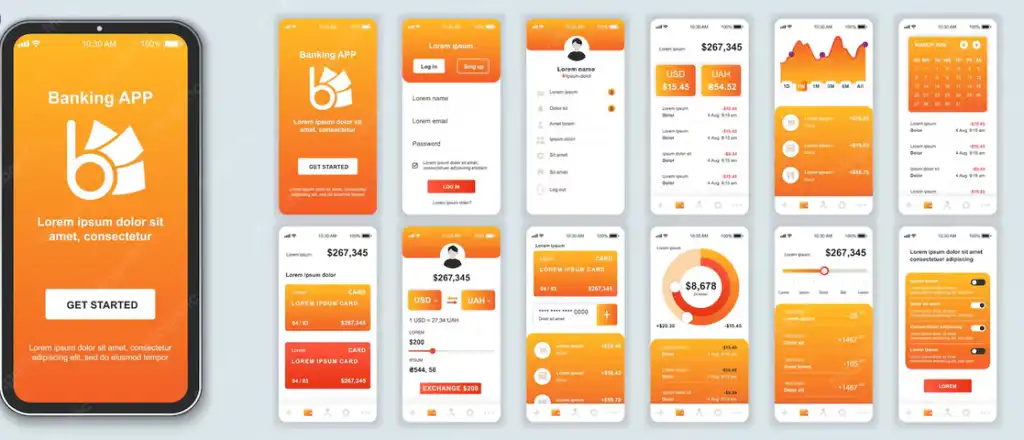
What the Project Manager Does After the App Concept Is Approved
Once the app concept is approved, the project manager at the software development company begins organizing the workflow among the various parties involved in implementation.
Their primary role is to translate the agreed-upon requirements into clear tasks that can be assigned and tracked throughout the project's stages.
The project manager reviews details with the team to ensure every individual understands their specific responsibilities and the deliverables required at each stage.
They also manage priorities to prevent tasks from commencing before the prerequisite requirements are met.
Communication with the client is a crucial element at this stage, as the client needs to stay informed about the project's progress and current activities.
The project manager typically coordinates feedback and updates to prevent information from becoming fragmented among multiple team members.
They also facilitate the meetings and reviews necessary for transitioning between project phases.
Once the analysis team finalizes the requirements, the information is handed over to the design team, accompanied by a clear outline of the functions to be displayed on each screen.

Transforming an App Idea into Software Requirements
Approving an app idea does not mean a programmer can immediately start writing code; the idea must first be precisely translated into clear software requirements.
The company begins by breaking down the idea into a set of functions that the user must be able to perform within the app.
Each function is defined from its starting point through to the final outcome the user is expected to achieve.
For instance, simply stating that the app includes an ordering feature is insufficient; one must specify how an order is created, reviewed, paid for, and tracked.
The pages associated with each function, the required data, and the messages displayed during use are all identified.
It is also determined whether the function requires connectivity to external services, databases, payment systems, or mapping tools.
Necessary access permissions are established so the system knows who can view, edit, or delete data.
These details enable programmers to build the system based on clear guidelines, rather than making ad-hoc decisions while writing code.
They also help designers understand which elements need to appear in the various interfaces.
The company links these requirements together to ensure that no function is implemented in isolation from the rest of the app.
Some projects also define scenarios for handling errors or unexpected conditions.
For example, if the connection drops while an order is being processed, there must be a clear procedure for handling the situation.
If a payment fails, the user needs to know what happened and what their next step should be.
The system must also be designed to handle issues such as duplicate orders, session timeouts, or missing data.
These scenarios are reviewed prior to coding to minimize potential issues during the testing phase. Subsequently, the requirements are organized into a format that the team can use as a reference throughout the project's execution.
They may be broken down into smaller tasks to facilitate more precise implementation and review.
This approach enhances clarity regarding the project for both the client and the team.
The client sees their idea transformed into a set of specific functions that can be reviewed and approved,
while the development team receives a clear description of what needs to be built.