








The role of app testing in ensuring its success on app stores

How App Testing Protects Your Project from Early Failure
Testing applications before deployment plays a pivotal role in protecting a project from early failure that can result from launching an app riddled with technical issues or unexpected malfunctions. Today's users don't easily give a second chance to an app that provides a poor experience. Therefore, pre-deployment testing helps identify and address vulnerabilities before they become a major cause of user loss. It also helps to comprehensively evaluate the user experience, from the user interface to responsiveness, ensuring a professional experience that meets the expectations of the target audience. Furthermore, testing improves the app's performance under high usage pressure, making it ready for scaling and growth. Thus, this stage represents the first line of defense, protecting the app's reputation and giving it a strong start in the market.

Pre-launch app testing boosts user confidence.
When an app is thoroughly tested before its release, it directly impacts user confidence, as users expect a bug-free and technically trouble-free experience. A stable and fast app gives the impression that the developer cares about the quality of its services and strives to provide the best possible experience. Testing also helps ensure that all features function efficiently without any malfunctions, reducing the likelihood of users encountering frustrating situations that might lead them to delete the app. Furthermore, testing the app on different devices ensures its compatibility with the widest possible range of users, which enhances its reach and increases its chances of success in the competitive market.

The Role of Performance Testing in Improving the In-App User Experience
Performance testing is one of the most important stages of app evaluation because it focuses on the app's speed and responsiveness under various conditions. Users prefer fast, efficient, and lag-free applications. Therefore, conducting performance tests helps identify weaknesses that may affect app speed and address them before launch. These tests also ensure the app's ability to handle a large number of users simultaneously without crashes, contributing to a stable and comfortable user experience and making the app more competitive in the market.

User Interface Testing: The Secret to Modern App Success
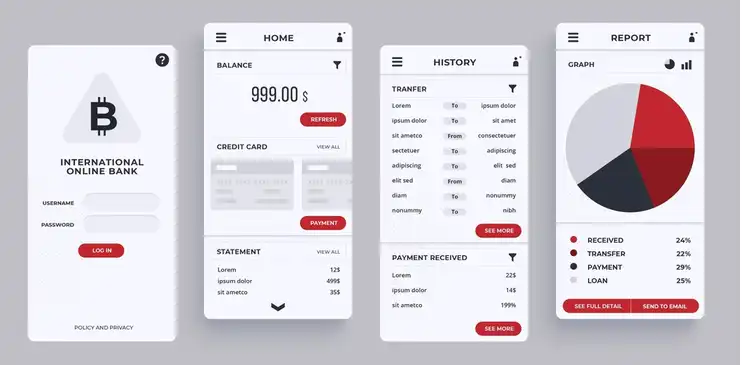
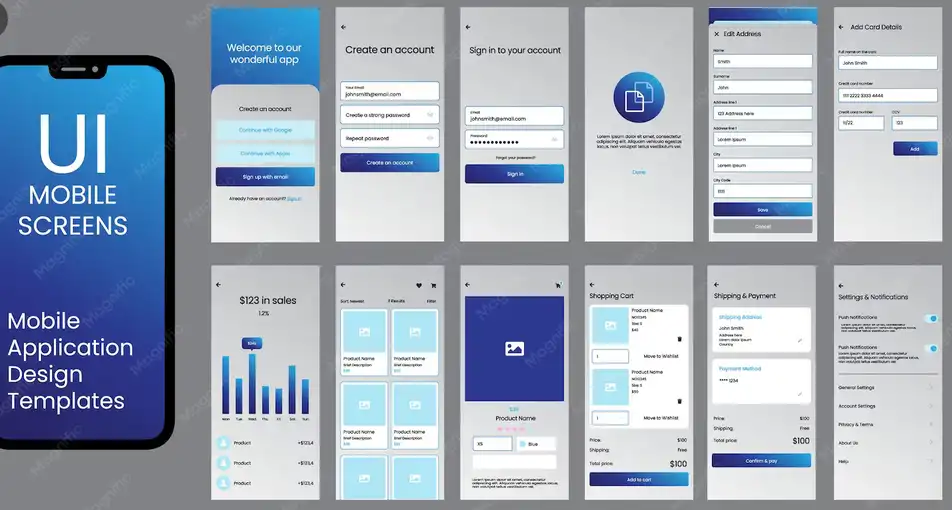
The user interface is the first thing a user sees when opening an app. Therefore, testing it and ensuring its ease of use and visual appeal plays a significant role in the app's success. A good design contributes to attracting users and encouraging them to continue using the app. Interface testing also helps identify any difficulties users might encounter and address them before launch.
App compatibility testing across different devices ensures that the app functions efficiently on all phones and tablets, regardless of operating system or screen size. Ignoring this point can lead to losing a large segment of users who experience problems using the app. Therefore, conducting compatibility tests helps improve the user experience for all users and increases the app's chances of wider adoption.
Usability testing focuses directly on the user experience by analyzing how they interact with the app and how easy it is to navigate its pages. A complex or unclear app can frustrate users and cause them to abandon it quickly. This testing helps simplify the design and improve the user experience to meet audience expectations. It also contributes to making the app more attractive and user-friendly, thus increasing the chances of retaining users for longer periods.