








The importance of organizing content within the application for ease of use

How Content Organization Transforms an App from Complex to User-Friendly
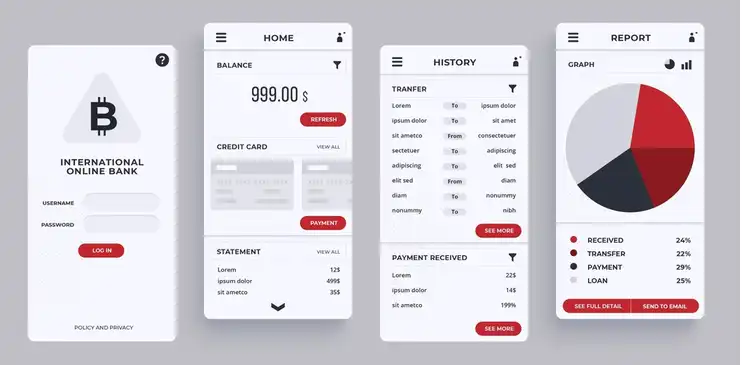
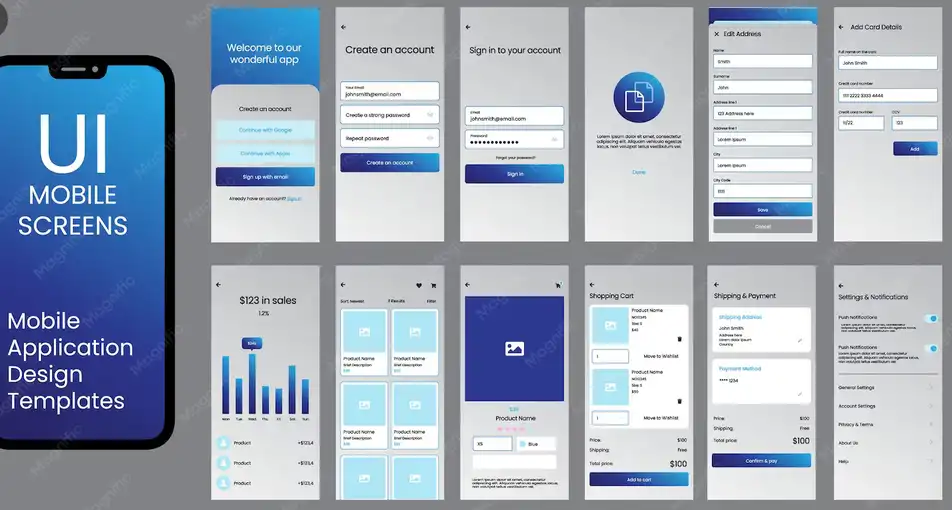
Often, the problem isn't with the app itself or its concept, but rather with how its content is presented. A lack of clear organization can make an app seem complex, even if it's simple at its core. Conversely, good organization can transform the same app into a very user-friendly and convenient experience. When information is logically arranged and distributed across clear sections, it becomes easy for the user to understand and interact with without confusion. Using the right visual sequence, such as clear headings and appropriate spacing, helps the user quickly grasp the content and make decisions easily. Furthermore, well-organized menus and options reduce the time it takes to find what the user needs, increasing efficiency and user satisfaction. On the other hand, poor organization can lead to user loss, even if the app has powerful features, because the user simply won't be able to utilize them. Therefore, transforming an app from a complex to a user-friendly experience doesn't always require adding new features; the solution might lie in intelligently reorganizing the content, ensuring everything is in its proper place and serves the user in the best possible way.

Why is content organization crucial for app success?
App success depends not only on the concept or attractive design but also, and perhaps more importantly, on how well the content is organized. This organization determines the ease of use of the app and its ability to quickly and effectively meet user needs. When content is well-organized, users can easily find what they're looking for, enhancing their experience and increasing the likelihood of repeat use. Good organization also helps minimize errors that users might make due to confusion or unclear options. Furthermore, it highlights important features within the app in a way that maximizes user benefit. From a business perspective, apps with strong content organization achieve higher user retention rates because they provide a user-friendly and intuitive experience. This also facilitates future updates and development because the organizational structure is built correctly from the outset. Therefore, content organization is not a minor detail but a crucial element that can be the primary reason for an app's success or failure in the market.

Organizing content within an app reduces user confusion and increases user comfort.
One of the biggest challenges users face when using any app is the confusion caused by overlapping or unclear information. This is where content organization plays a crucial role in reducing this confusion and transforming the experience into a smooth and comfortable journey. Arranging elements logically and clearly helps users quickly understand what they see without needing to overthink or search extensively. Furthermore, a balanced distribution of content prevents visual clutter that can strain the eyes and make use uncomfortable. When users feel that everything is in its proper place, they interact with the app with greater confidence and spend more time within it, increasing the chances of interaction and benefiting from the services offered. In addition, good organization reflects the app's professionalism and gives the impression that there is genuine interest in the user experience, not just the presentation of information. Therefore, reducing confusion through content organization not only improves the user experience but also contributes to building a positive relationship between the user and the app, encouraging them to return.

In-app content organization is the foundation of a successful user experience.
Any successful user experience begins with a simple yet crucial point: how the app's content is organized. This organization guides the user from the very first moment and influences every step they take within the app. When the content is clearly and coherently organized, the user can navigate easily and understand what they need to do without needing complicated instructions. Good organization also reduces errors and increases usability efficiency. Furthermore, it helps highlight the app's true value by presenting features logically. On the other hand, poor organization can lead to a frustrating experience, even if the app's concept is strong. Therefore, building a successful user experience doesn't begin with adding features, but rather with organizing content in a way that serves the user and directly meets their needs.
The amount of time a user spends inside an application is one of the most important indicators of its success, and content organization plays a major role in influencing this factor. An organized application encourages the user to explore and interact for a longer period. When the user finds that everything is clear and easily accessible, they feel comfortable and continue browsing without getting bored. Arranging the content in an attractive way helps to attract the user's attention and keep them interested in what they see. In addition, good organization reduces the frustration resulting from searching or getting lost within the application. On the other hand, the clutter in the presentation of content may lead to the user leaving quickly, even if the application is rich in features. Therefore, increasing the amount of time a user spends depends not only on the content itself, but also largely on how it is organized and presented in a smart and attractive way.