




The 4 popular methods for 2026 that will make your app recoup its development budget and generate consistent profits
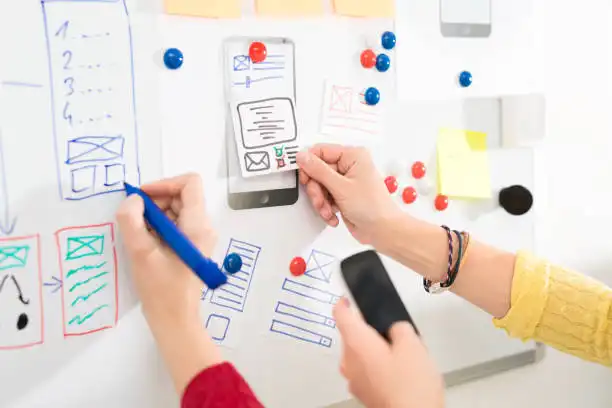
The Blind App Trap: Why You Must Determine Your Revenue Method Before You Start Programming
The biggest mistake new app developers make is focusing solely on the software features and design, postponing the question "How will we make money?" until after the app is released! This haphazard approach to business is detrimental. The type of revenue model you choose directly impacts the app's code and design (User Journey). For example, if your revenue is from ads, the code needs specific placements to display them without intruding on users. If it's from subscriptions, the system requires a payment gateway and a system for blocking free features, all with precise programming.
The First Path: The Freemium Model
This is the most widespread and accepted model among the average user in 2026. Its premise is based on offering the app and its basic features completely free of charge, guaranteeing rapid adoption and millions of users. However, if the user wants advanced features, ad removal, or customized reports, they pay a one-time fee (In-App Purchases). This clever tactic breaks down the customer's fear barrier, making him experience the quality of your system first before taking out his wallet to pay.
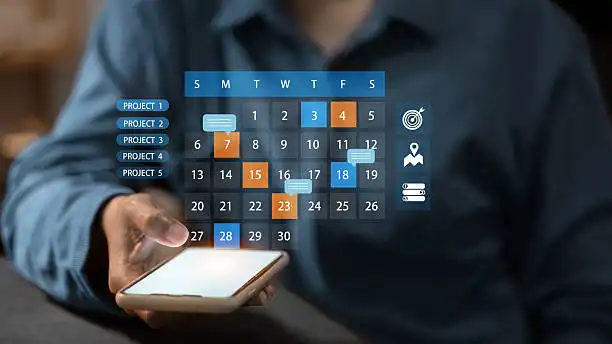
The second approach: Subscription Model (SaaS) – The undisputed king of financial sustainability for 2026. Instead of selling the app once, the user pays a small monthly or annual fee for continued service (such as time management apps, design services, or accounting software for businesses).
Financial calculation: This model gives your company what is technically called "Monthly Recurring Revenue" (MRR), making it easier to calculate your profits, cover server and maintenance costs, and develop the app with financial stability without worrying about daily market fluctuations.
The third approach: Smartly integrated advertising (In-App Advertising) – If your idea serves a general audience that doesn't accept direct payments (such as news apps, simple games, or weather and timekeeping tools), then advertising is your only option. The technology governance of 2026 completely prohibits "annoying pop-up ads" that interrupt the user's train of thought and force them to delete the app. The professional alternative is to use native ads embedded within the visual content (Native Ads) or rewarded videos; where the customer watches a 15-second video at their own discretion in exchange for unlocking a locked feature, which earns you dollar profits from advertising companies (such as Google AdMob) and maintains customer satisfaction.
The fourth path: Transaction Fees/Marketplace
The golden model for shipping, delivery, and e-commerce apps (like Uber or Talabat). Here, the app acts as a "smart digital intermediary" connecting the service provider (driver or restaurant) with the customer on the street. The app doesn't sell a product it owns, but rather takes a fixed percentage commission (e.g., 10% to 20%) of the value of each trip or sale processed through the system. This model guarantees a huge and continuous cash flow with every sale and purchase transaction that takes place on the street and through your screen.
Hybrid Monetization: Don't put all your eggs in one basket
The strongest advice for 2026 is to avoid relying on a single revenue method and instead adopt a "smart hybrid" approach. You can make your app rely on light advertising for free users, while simultaneously offering a monthly subscription to remove ads and unlock exclusive features (similar to YouTube Premium). This diversification of revenue streams ensures you receive cash from all user segments. Those who have money will pay for the subscription, and those who do not have money, you will profit from their viewing of advertisements intelligently.
Choosing the most appropriate way to make money from your application is not a business detail that you leave to chance after uploading it to the store. Rather, it is the "mastermind" on which the entire software code and screen design are built. When you respect the mentality of the average street customer and offer them real value that makes them happy to pay or interact, you protect the capital of your startup project from evaporating, and you turn your software system into a profitable digital asset that expands and grows in the market with complete safety and confidence.