








How to calculate the cost of creating applications according to project specifications

The number of required features determines the app development budget.
Each feature added to the app is part of the development process and therefore directly impacts the final project cost. The more features the client requires, the greater the workload for the programming, design, testing, and quality assurance teams. For example, adding social media login differs from creating a comprehensive membership system. Providing geolocation, instant messaging, order tracking, electronic payment, smart notifications, loyalty programs, branch management, or analytical reports requires specialized programming and rigorous testing to ensure all functions operate efficiently. Furthermore, some features require integration with external services and annual or monthly subscription fees that must be considered when budgeting. Each new feature also necessitates the design of suitable user interfaces, a seamless user experience, and secure and rapid database integration. Therefore, the app's cost depends not only on the project concept but also on the level of detail the client requires and the complexity of its implementation. For this reason, professional programming companies ensure a detailed list of all required features before submitting a price quote. This allows for clear cost transparency from the outset, enabling the project to be executed according to a precise timeline and budget, avoiding unforeseen circumstances. Development stages.

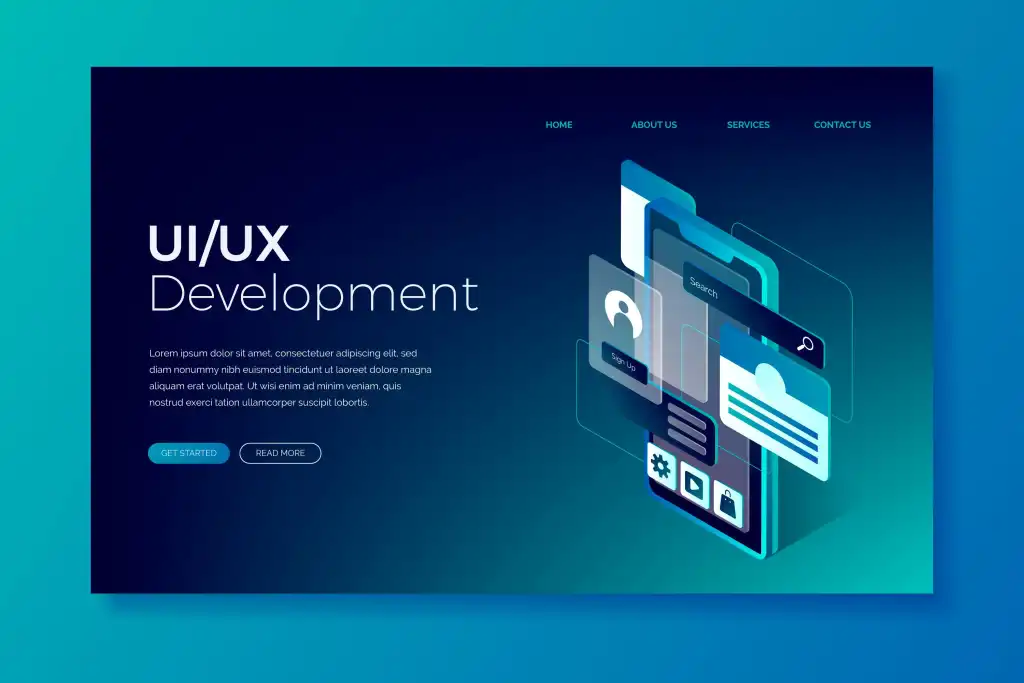
App interface design directly impacts development costs.
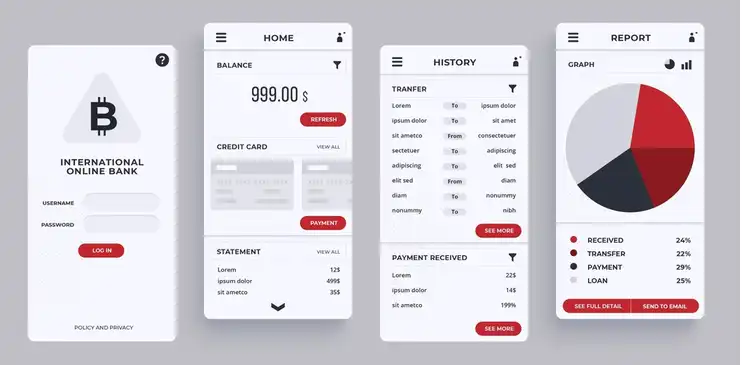
Some might think that interface design is merely an aesthetic stage that doesn't significantly affect the app's cost. However, reality proves that design quality is one of the most important elements determining the budget. Every screen within the app requires careful consideration of content display, element layout, visual identity colors, and ease of navigation to ensure the best possible user experience. Professional design also necessitates creating and testing prototypes before programming begins to guarantee that all functions operate smoothly and efficiently. If the project requires fully customized designs instead of relying on pre-made templates, this increases working hours and consequently the cost. Furthermore, designing animations, smart transitions, custom icons, and interactive interfaces requires advanced expertise that adds significant value to the app but demands additional effort. The design's compatibility with various screen sizes, phones, and tablets is a fundamental part of the development process and requires continuous testing to ensure display quality. Therefore, investing in professional design is not just an additional cost; it's an effective way to increase user satisfaction, improve app ratings, boost usage rates, and achieve better long-term project outcomes.

Database size plays a crucial role in calculating application costs.
The database is the heart of any application, as it stores all user, product, order, payment, report, and transaction history information. Therefore, the expected data volume and its management requirements directly impact project development costs. If the application serves a limited number of users, a relatively simple database may suffice. However, if the project targets thousands or millions of users with continuous data updates, a robust and scalable database is required. This necessitates the implementation of advanced technologies to enhance performance, responsiveness, and data security against loss or breaches. Data backup and recovery systems, continuous monitoring mechanisms, and a suitable hosting environment capable of handling daily operations without compromising application speed are also essential. All these elements require planning and implementation by database and infrastructure specialists, increasing the workload and consequently the project cost. However, this investment ensures long-term application stability and provides project owners with a robust technological platform capable of scaling as the business expands and the number of users grows.

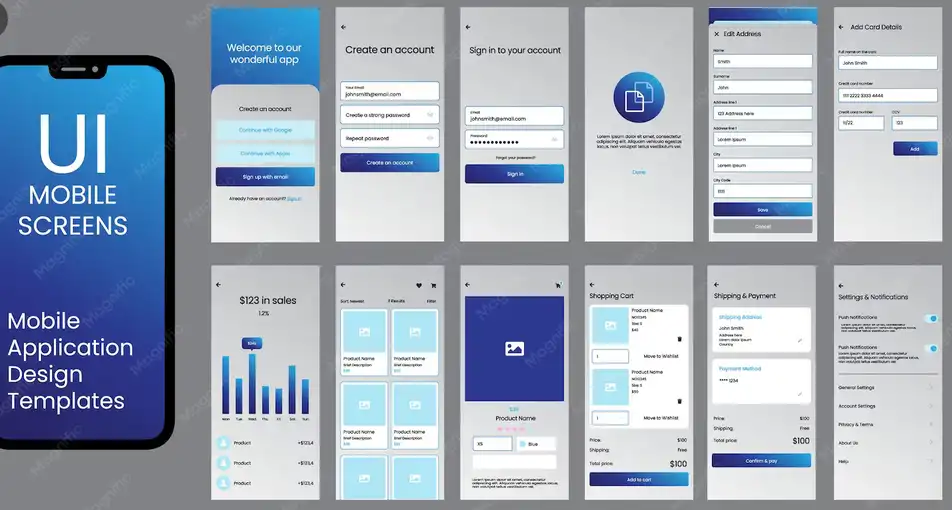
The number of application screens impacts the development budget.
Each screen within an application represents an independent part of the design, programming, and testing process. Therefore, the number of pages required is a key factor in calculating the application's development cost. An application with simple introductory pages differs significantly from one with dozens of screens for personal accounts, products, orders, settings, notifications, reports, control panels, and various process management. Each screen requires a professional design that aligns with the project's visual identity. This design is then translated into a comprehensive API, connected to databases and servers, and all its elements are tested to ensure efficient operation. Furthermore, some pages contain complex functions such as filters, advanced search, file management, image and map uploads, and electronic payments, which increases the workload. Therefore, increasing the number of screens not only means more design work but also more programming, testing, quality assurance, and project management. For this reason, the application's cost is calculated based on the size and complexity of each screen, not just its number.
A common mistake is to design an application only to suit the current needs of the project without considering future development. Professional companies, on the other hand, rely on building scalable applications from the outset so that they can accommodate any new features without the need to completely reprogram the system. This type of planning requires designing a flexible software architecture, professionally organizing databases, and dividing functions in a way that allows for the easy addition of new services or integration of additional systems. It also involves choosing technologies that can grow with the increase in the number of users and the volume of data without affecting the speed of performance or the stability of the application. This requires setting precise standards for the code and conducting continuous testing to ensure the system's readiness for any future updates. Although this approach may increase the development cost initially, it saves project owners a lot of expenses in the future because it reduces the need to rebuild the application when the business expands or launches new services. Therefore, projects that plan for future growth need a higher budget in the initial development phase, but in return, they get a flexible and sustainable application capable of keeping pace with business development for many years.