








Copying a successful app idea exactly without adapting it to the market is the fastest way to lose your capital
The Illusion of Ready-Made Code: Why Doesn't Programming Guarantee Business Success?
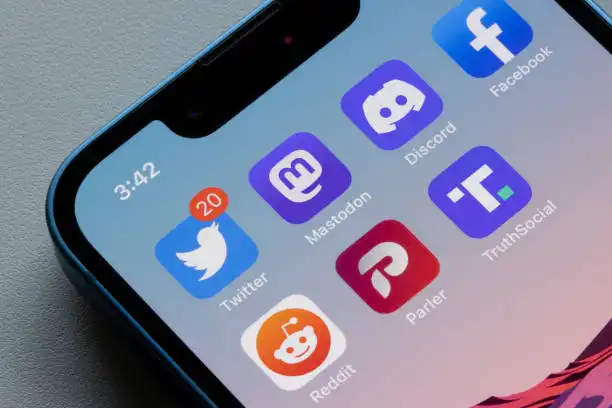
The first psychological mistake is relying on the idea that software is everything. A business owner goes to a software company and asks for a "carbon copy" of a popular app, and indeed receives an app with impressive screens and excellent code. The disaster occurs on launch day; the company discovers that it only bought the "technical system," but not the "business" or the "customers." The average customer already has a stable app they trust, and they won't abandon it for a completely new app that offers the exact same thing without any added value or different features that impact their daily life.
The Lack of Competitive Advantage: Why Would a Customer Leave the Old App for Yours?
Blindly copying leads you into the trap of "complete lack of identity." For the average customer to change their habits, download your app, and give you space on their phone, they need a clear and quick answer to the question: "What does this app offer me that I don't use every day?" If your answer is "We offer the same service and the same prices," then you are condemning your project to operational death; because the customer always prefers the stable brand with the oldest reputation, and competing with it in the same way is commercial suicide.

The Open Budget Trap: The Unequal Cash-Burning Battle
When you copy a giant app, you're only copying its interface, forgetting that behind it are investment funds pouring millions of dollars daily into what's called "cash-burning" to offer massive discounts to customers and exorbitant salaries to sales representatives to attract customers. When you try to compete with your limited or average budget in the same way, without smart modifications, you'll find your entire capital evaporating in the first two months on ill-conceived advertising campaigns and discounts, forcing you to shut down the project because your cash reserves are completely depleted before you've even built a real customer base.
Street Geography: Differing Customer Habits from Place to Place
An app that succeeded in America or the Gulf countries was built entirely to suit the culture, behavior, income level, payment methods, and way of interacting with technology there. Copying the same idea and launching it in local streets and areas without adapting it to the nature and culture of the local audience is a decision divorced from reality. Governance requires studying your local customer's behavior: How do they think? What are their daily problems with existing apps? How do they prefer to pay? The modification based on these small answers is what makes the difference between a live application and a dead application.
Ignoring Market Gaps
Even the most powerful companies always have weaknesses and recurring customer complaints, such as poor customer service, delivery delays in certain areas, or difficulty using the app for certain groups. The best strategic thinking for 2026 isn't to completely replicate the app, but rather to "capture these gaps" and focus on them as a core feature of your application. Start where others left off and fix their flaws in your new system, making the public willingly turn to you in search of a solution to their ongoing problems.
A Flexible Scaling Approach and Avoiding the Launch Shock
An app like Uber manages millions of trips today and has very complex algorithms that have been developed over many years. Trying to build and launch an app of this size and complexity from day one will expose you to a severe shock; your technical support team will be attacked, servers may crash, and drivers will face problems. The smarter approach is to use the MVP tactic we discussed earlier. Start by offering delivery services, for example, in one specific area or geographic region, and adjust your operations and customer service locally, then gradually and safely expand from the cash of profits.
The Investment Impact of Digital Idea Governance
The final piece of advice for closing this important business file is that your capital is your most valuable asset during the startup phase, and protecting it begins with ceasing to blindly follow prevailing trends. Innovation doesn't necessarily mean inventing a completely new idea; it can simply be: "Presenting an existing idea, but with a smart adaptation that serves the local market in a more accessible, affordable, and relatable way." This personalization is the only guarantee for the safe and confident growth of your brand and the leading position of your project.